
Have you ever wondered how loud a standby generator really is? If you’ve ever been startled by a sudden power outage, you’ve likely considered the comfort and security a standby generator can provide.
But the thought of an incessant, loud noise humming in the background might make you hesitate. You might worry about disturbing your peaceful environment or annoying your neighbors. Understanding just how loud these generators are can help you make an informed decision.
Stick around, and we’ll dive into the decibels, so you can confidently choose the right generator without sacrificing tranquility.

Credit: www.angi.com
Noise Levels Of Standby Generators
Standby generators usually produce noise between 60 and 70 decibels. This level is similar to a normal conversation or background music. Some models are quieter, reaching 50 decibels, like a quiet office.
Noise depends on the generator size and distance from it. Larger generators tend to be louder. Placing it farther away helps reduce noise impact.
| Noise Source | Decibel Level (dB) | Comparison |
|---|---|---|
| Standby Generator | 60-70 dB | Normal conversation |
| Quiet Model Generator | 50 dB | Quiet office |
| Air Conditioner | 50-60 dB | Similar to some generators |
| City Traffic | 70-85 dB | Louder than most generators |
Factors Influencing Generator Noise
Engine sizeaffects noise levels. Bigger engines usually make louder sounds. The type of enginealso matters. Gas engines tend to be noisier than diesel ones. Smaller engines are often quieter but may not provide enough power for large homes.
Noise changes with load and operation mode. When running at full load, generators are louder. At low load or idle, they produce less noise. Sound varies if the generator runs continuously or only during outages.
The enclosure and installationgreatly impact noise. Soundproof enclosures can cut noise by many decibels. Proper installation on vibration-absorbing pads helps reduce sound. Placing generators away from living areas also lowers noise disturbance.
Noise Measurement Methods
Decibel metersare tools used to measure sound levels. They show how loud a standby generator is in decibels (dB). The meter is placed near the generator to get accurate readings. Sound levels can vary based on distance from the source.
Testing conditionsaffect noise measurement results. Tests are done in quiet outdoor areas to avoid extra noise. The generator should run at normal load to measure real sound output. Weather, ground surface, and nearby objects also change sound levels.
- Use a calibrated decibel meter for accuracy
- Measure at a fixed distance, usually 7 meters
- Note the generator’s load during testing
- Choose a quiet, open area for testing
- Record ambient noise levels separately
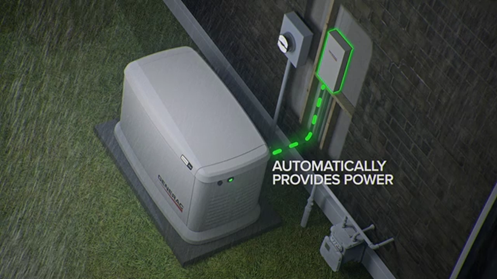
Credit: www.generac.com
Reducing Generator Noise
Soundproof enclosureshelp lower generator noise by blocking sound waves. These boxes are made with materials that absorb noise. They also protect the generator from rain and dust. Using a soundproof enclosure can make the generator quieter and safer.
Proper placement of the generator affects how loud it sounds. Place the generator far from living spacesand near walls or fences to block sound. Avoid placing it near windows or doors. This simple step reduces noise inside your home.
- Keep the generator clean to prevent extra noise.
- Check for loose parts and tighten them.
- Change the oil regularly to keep the engine running smoothly.
- Replace air filters to help the engine breathe better.
- Inspect the exhaust system for leaks or damage.
Regular maintenancehelps the generator work quietly and last longer.
Local Noise Regulations
Local noise rules set limits on how loud standby generators can be. These limits help keep neighborhoods peaceful and avoid disturbances. Knowing your area’s noise levels ensures your generator stays compliant and quiet.
Typical Limits
Noise limits for standby generators vary by location. Many places set limits between 50 to 70 decibels. Limits are often lower at night to reduce disturbance. Some areas measure noise at the property line or nearest neighbor. Quiet zones may have stricter rules. Knowing the local rules helps avoid fines and complaints.
Compliance Strategies
- Place the generator far from bedrooms and neighbors.
- Use sound barriers or enclosures to reduce noise.
- Choose models with lower decibel ratings.
- Regular maintenance keeps the generator running quietly.
- Install vibration isolators to cut down noise.

Credit: www.generac.com
Frequently Asked Questions
How Loud Is A Standby Generator Typically?
A standby generator usually produces noise between 60 to 70 decibels. This level is similar to a normal conversation or background music, making it moderately loud but generally not disruptive.
What Factors Affect Standby Generator Noise Levels?
Noise depends on generator size, engine type, enclosure quality, and distance from the source. Larger units and older models tend to be louder than newer, soundproofed versions.
Can Standby Generators Operate Quietly At Night?
Yes, many modern standby generators have noise-reducing features. They are designed to run quietly during nighttime to avoid disturbing neighbors and household members.
How To Reduce Noise From A Standby Generator?
Install sound-absorbing enclosures, place the generator farther away, and use vibration isolators. Regular maintenance also helps keep noise levels minimal and performance optimal.
Conclusion
Standby generators make some noise, but it varies by model. Many units run quietly enough for home use without disturbance. Noise levels depend on size, brand, and installation. Proper placement can reduce sound and keep peace. Understanding noise helps choose the right generator for your needs.
Always check decibel ratings before buying to avoid surprises. Quiet operation improves comfort during power outages. Consider noise along with power and cost for best results.