
Are you considering buying a 7.5kW standby generator, but you’re unsure about its amperage output? You’re not alone.
Many people find themselves puzzled by the technical specifications of generators. Understanding how many amps a generator produces is crucial for matching it with your power needs. It’s not just about keeping the lights on; it’s about ensuring your home or business runs smoothly during an outage.
We’ll break down exactly how many amps a 7. 5kW standby generator makes, in a clear and simple way. So, if you want to make an informed decision and avoid any power mishaps, keep reading. Your peace of mind is just a few scrolls away.
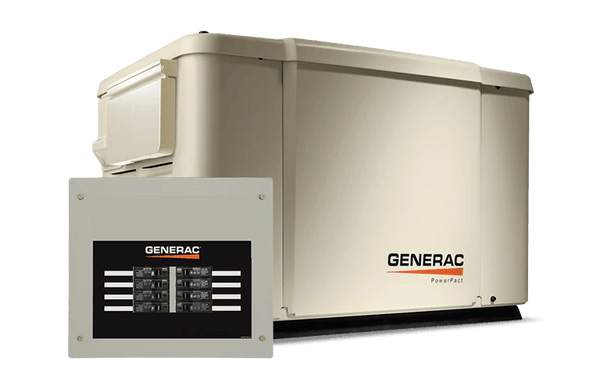
Credit: solarpowerstore.ca
Power Basics
A kilowatt (kW)is a unit that measures power. It shows how much energy is used or produced every second. A 7.5 kW generator can produce 7,500 watts of power. Watts, kilowatts, amps, and volts are linked by a simple formula. Power (watts) = Amps × Volts.
Understanding ampsand voltshelps find the generator’s current output. Volts measure electrical pressure, while amps measure the flow of electric charge. For example, a 7.5 kW generator running at 240 volts can produce about 31.25 amps.
| Power (kW) | Voltage (V) | Current (Amps) |
|---|---|---|
| 7.5 kW | 120 V | 62.5 A |
| 7.5 kW | 240 V | 31.25 A |
Calculating Amps From Kilowatts
To find the ampsfrom kilowatts (kW), use this formula:
Amps (A) = Power (kW) × 1000 ÷ Voltage (V) ÷ Power Factor (PF)
The Power Factoris usually 0.8 for most generators.
| Type of Generator | Voltage (V) | Formula |
|---|---|---|
| Single Phase | 240 | A = (kW × 1000) ÷ (V × PF) |
| Three Phase | 400 (or 480) | A = (kW × 1000) ÷ (√3 × V × PF) |
- Single phaseuses simple voltage and power factor.
- Three phaseuses the square root of 3 (about 1.732) in the formula.
- Voltage varies based on the generator and country.
Amps Output Of A 7.5kw Generator
A 7.5kW generator’s amps depend on the voltage output. At 120 volts, the amps can be found by dividing power by voltage. This means:
- 7,500 watts ÷ 120 volts = 62.5 amps
For 240 volts, the calculation changes as the voltage doubles. The amps will be:
- 7,500 watts ÷ 240 volts = 31.25 amps
These values show the current the generator can supply safely at each voltage. Knowing this helps in choosing the right generator for your needs.

Credit: www.amazon.com
Factors Affecting Generator Output
The type of loadaffects the generator’s current output. Resistive loads like heaters draw current directly. Inductive loads like motors need more current due to their magnetic fields. This is called the power factor. A lower power factor means the generator must supply more amps to do the same work.
Efficiencyalso impacts the output. Some energy is lost as heat in the generator. These power lossesreduce the actual amps available for use. A generator rated at 7.5 kW may produce fewer amps if it runs below peak efficiency.
| Factor | Effect on Output |
|---|---|
| Load Type | Resistive loads use less current than inductive loads |
| Power Factor | Lower power factor increases current drawn |
| Efficiency | Lower efficiency means less usable current |
| Power Losses | Energy lost as heat reduces output amps |
Choosing The Right Generator Amps
A 7.5kW standby generator usually produces about 31 ampsat 240 volts. This amount of current can power many household appliances during an outage. Understanding your home’s power needs helps in choosing the right generator. Calculate the total wattage of devices you want to run. Divide total watts by voltage (usually 240V) to find the amps needed.
Generators must match your home’s electrical load. Too small a generator won’t power everything. Too large wastes money and fuel. Prioritize essential appliances like fridge, lights, and heating. This ensures your generator can handle your critical needs.
- Check the generator’s rated and surge amps.
- Confirm the voltage matches your home system.
- Use a transfer switch for safe power transfer.
Safety is crucial. Always follow installation rulesand hire a licensed electrician. Avoid backfeeding power to the grid. Proper grounding prevents shocks and fires. Regular maintenance keeps the generator running safely and efficiently.

Credit: www.acmetools.com
Measuring And Testing Generator Amps
A clamp meter is a tool that measures the current flowing through a wire. It works by clamping around a single conductor. This lets you read the amps without disconnecting wires. For a 7.5kW standby generator, the clamp meter shows how much current the generator produces.
Hold the clamp meter firmly around one wire. Turn on the generator and observe the reading. The number shows the amps running through that wire. This helps check if the generator is working right.
Readings close to the generator’s rated current mean normal operation. Lower amps may show low load or a problem. Higher amps can signal overload or a fault. Always compare your reading to the generator’s specs for safety.
Frequently Asked Questions
How Many Amps Does A 7.5kw Generator Produce?
A 7. 5kW generator typically produces about 31. 25 amps at 240 volts. This value varies slightly with voltage. It provides enough current for essential household appliances during power outages.
Can A 7.5kw Generator Power A Whole House?
A 7. 5kW generator can power most essential home circuits. It supports lights, refrigerators, and small appliances, but not all high-demand devices simultaneously.
What Voltage Does A 7.5kw Standby Generator Use?
Most 7. 5kW standby generators output 120/240 volts. This dual voltage supports both standard household appliances and larger equipment.
Is A 7.5kw Generator Suitable For Heavy Tools?
A 7. 5kW generator can run moderate power tools. However, it may struggle with very high-demand tools or continuous heavy loads.
Conclusion
A 7. 5kW standby generator produces about 31 amps at 240 volts. This is enough to power many household appliances during an outage. Knowing the amps helps you choose the right generator for your needs. Always check your total power needs before buying.
This way, you avoid overloads and keep your home safe. A reliable generator keeps your lights on and appliances running smoothly. Trust the numbers to guide your decision. Simple and clear—power made easy.