
Imagine being in the middle of a stormy night when suddenly, the lights go out. You reach for your flashlight and wonder, “How long can my standby generator keep things running?”
Understanding the lifespan of a standby generator during an outage can bring you peace of mind and help you plan better for unforeseen power cuts. You’ll discover not just the number of days your generator can last but also the factors that affect its performance and longevity.
Get ready to uncover essential insights that will empower you to make informed decisions and ensure your home remains a haven, no matter the weather outside. Keep reading to find out how to maximize the efficiency of your standby generator and stay prepared for anything.

Credit: www.angi.com
Standby Generator Basics
A standby generatoris a machine that provides power during an outage. It starts automatically when the main power goes off. This keeps your home or business running without interruption.
Common uses include:
- Powering homes during storms
- Keeping businesses open
- Running medical equipment
- Maintaining security systems
Benefits are clear:
- Reliable poweranytime
- Protects appliancesfrom damage
- Increases safetyduring outages
- Easy to use and maintain
Fuel Types And Impact
Natural gas generatorsrun on a steady supply of gas. They can work for many days without refueling. The fuel comes through pipes, so no need to store fuel. This makes them great for long power outages.
Propane generatorsuse propane tanks. These tanks store fuel for a long time without going bad. You can have extra tanks ready. Changing tanks takes just a few minutes. They are good for medium to long use.
Diesel generatorsburn diesel fuel. Diesel is easy to find and store. These generators use fuel fast if running at high power. You need enough diesel tanks or a big fuel tank for long use. Diesel engines are strong and last long.
Generator Runtime Factors
Generator runtime depends on fuel type, tank size, and power load. Larger tanks and lighter loads allow longer operation. Regular maintenance also helps extend running time.
Fuel Capacity And Consumption
Fuel capacitydirectly affects how long a generator runs. Larger tanks hold more fuel, allowing longer operation without refilling. Fuel consumptionvaries by generator size and load. A generator running at full load uses more fuel than one at half load. Knowing both helps estimate run time accurately.
Load And Power Demand
The amount of powera generator supplies impacts its runtime. High power demand means the generator works harder and uses fuel faster. Running only essential devices lowers load and extends runtime. Balancing power needs with generator capacity is key.
Maintenance And Efficiency
Regular maintenancekeeps the generator efficient. Clean filters, fresh oil, and proper parts reduce fuel use. An efficient generator runs longer on the same fuel. Neglect causes poor performance and shorter runtime.
Typical Runtime Durations
Standby generators run on fuel like natural gas or propane. Their runtime depends on fuel supply and generator size.
Short-term power outagesusually last a few hours to a day. Generators can run without refueling during this time. This keeps homes and businesses powered smoothly.
Extended power outagesmay last several days. Fuel tanks must be refilled regularly to keep the generator running. Some users store extra fuel for emergencies.
Continuous operation limitsdepend on the generator model. Most standby generators can run for 24 to 48 hours straight if they have enough fuel and proper maintenance. It is important to check oil levels and cooling systems to avoid damage.
Extending Generator Runtime
Store fuelin a cool, dry place away from direct sunlight. Use approved containersto avoid leaks and spills. Check fuel often for contamination and replace it every 6 months. Keep some extra fuel on hand for longer outages.
- Run only essential appliancesto save fuel.
- Use energy-efficient devicesto reduce load.
- Turn off non-essential lights and electronicsduring outages.
- Balance the load to avoid overworking the generator.
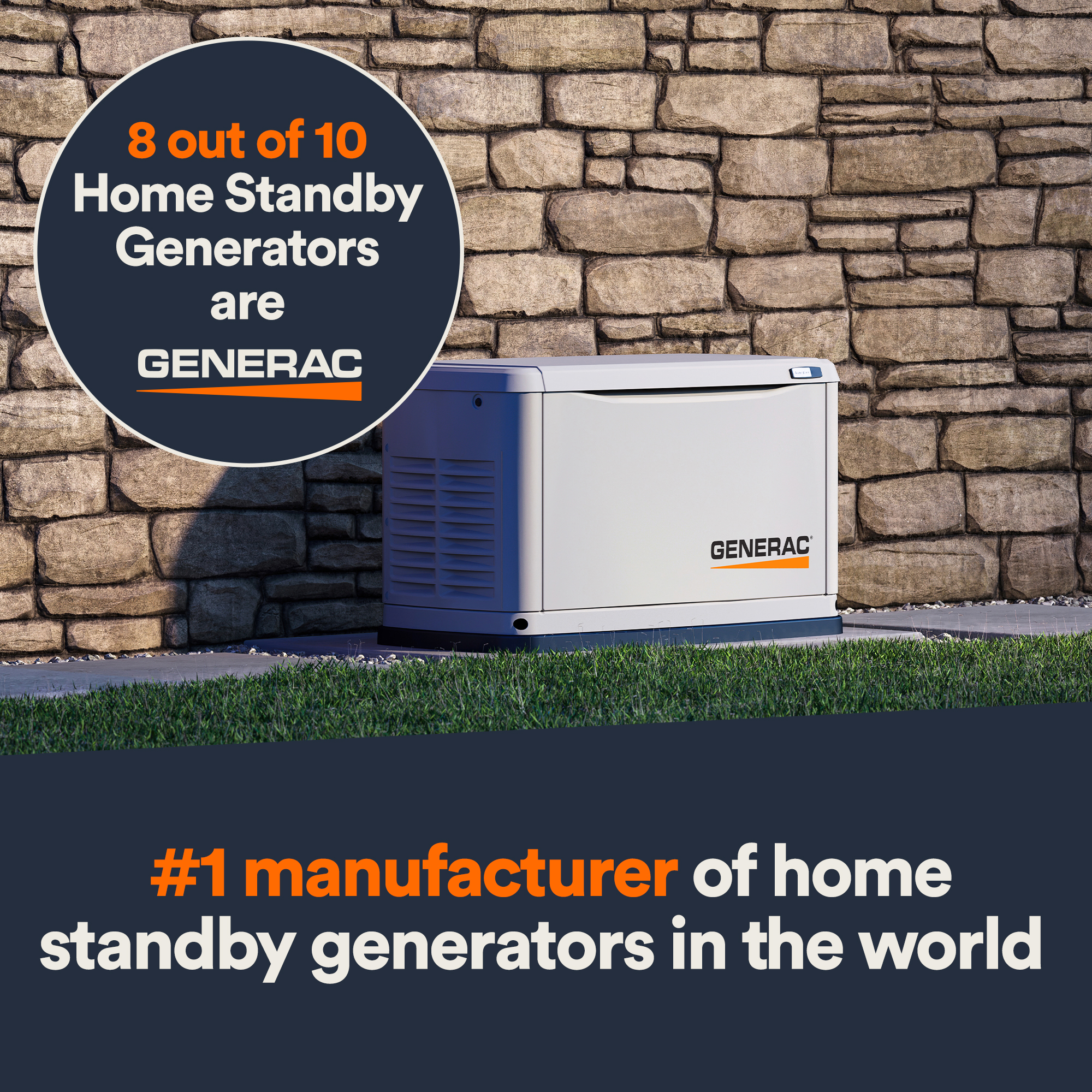
Check oil and air filters regularly to keep the generator running smoothly. Clean spark plugs and tighten connections often. Schedule professional serviceonce a year to ensure reliability. Test the generator under load to find issues early.
Credit: www.generac.com
Safety And Operational Tips
Proper installationis key for safe generator use. Place the generator on a stable, flat surface. Make sure it is outside and away from windows or vents. Use a licensed professional for wiring and setup. This helps avoid electric shocks and fires.
Ventilation and carbon monoxide risksmust be taken seriously. Generators produce carbon monoxide, a deadly gas. Always run the generator outdoors, never inside homes or garages. Keep the area clear of debris to allow fresh air flow. Install carbon monoxide detectors near living spaces.
Knowing the emergency shutdown procedurescan save lives. Turn off the generator if you smell fuel or see smoke. Disconnect it from the main power supply before shutting down. Have a fire extinguisher nearby. Regularly check the generator for leaks or damage to prevent accidents.

Credit: www.generac.com
Frequently Asked Questions
How Long Can A Standby Generator Run Continuously?
A standby generator can typically run for 24 to 48 hours continuously. Runtime depends on fuel type, tank size, and load demand. Regular maintenance ensures optimal performance during extended use. Always check manufacturer guidelines for specific generator models and safety recommendations.
What Fuel Type Lasts Longest In Standby Generators?
Natural gas and propane usually provide the longest runtime. They offer a steady fuel supply compared to gasoline or diesel. Propane has a longer shelf life, making it ideal for emergencies. Natural gas is cost-effective but requires a direct pipeline connection.
How Often Should Standby Generators Be Tested?
Standby generators should be tested monthly or at least every three months. Regular testing ensures the system works during power outages. It helps identify issues early and maintains battery health. Follow the manufacturer’s maintenance schedule for the best results.
Can A Standby Generator Run For Days Without Refueling?
Most standby generators cannot run for days without refueling unless connected to natural gas. Generators using propane or diesel require refilling based on tank capacity. Continuous operation depends on fuel availability and load demand. Proper fuel management ensures uninterrupted power supply.
Conclusion
A standby generator can run for many hours, even days, if maintained well. Fuel type and tank size affect how long it lasts. Regular checks keep the generator working smoothly. Plan fuel storage safely to avoid running out during outages.
Remember, no generator runs forever without breaks or refueling. Knowing these facts helps you stay prepared. Stay ready, stay safe during power cuts.