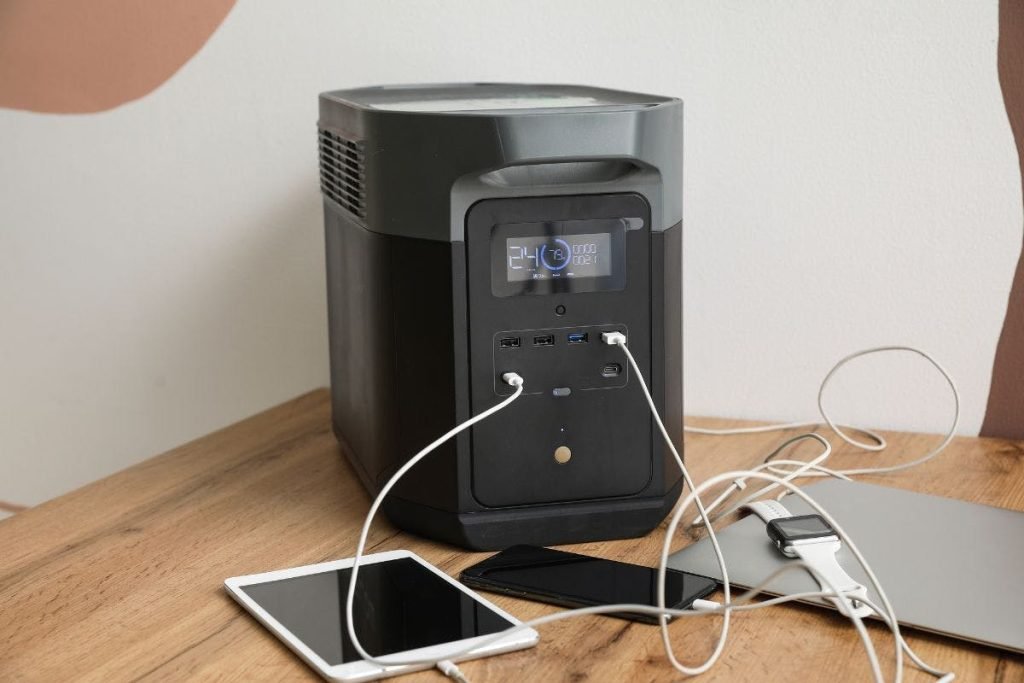
Imagine heading out on a weekend camping trip or preparing for a power outage. You have your essential gadgets like smartphones, tablets, and perhaps even a small fridge.
But here’s the pressing question: how many of these devices can your portable power station charge at once? You might be surprised at the versatility and capability packed into these compact units. Understanding the power potential of your station can transform your outdoor adventures and emergency preparations.
Dive into this article, and you’ll discover insights that could redefine how you stay connected and powered up. Your curiosity about maximizing your power station’s efficiency will be thoroughly satisfied, offering you peace of mind and practical tips for every situation. Let’s unravel the possibilities and ensure you’re never left in the dark.
Capacity And Power Output
Wattage tells how much power a device needs. A phone uses fewer watts than a laptop. Portable power stations have a limit on watts they provide. This limit decides how many devices you can charge. More wattage means more devices can connect. But, too many devices can drain it fast. Check wattage before plugging in devices. Some devices need a lot of power. Make sure the station can handle it. Always read the instructions on your power station.
Battery capacity shows how much energy it holds. It’s measured in watt-hours (Wh). More watt-hours mean more charging time. If a station has 500Wh, it can power devices longer. Use fewer devices to save energy. Charging big devices drains it quicker. Always know your station’s capacity. This helps in planning what to charge. Portable power stations vary in size and capacity. Choose one that fits your needs.

Credit: www.eblofficial.com
Types Of Devices Supported
Portable power stations can charge small electronics like smartphonesand cameras. These devices need little power. They are easy to charge. Just plug and charge. You can charge many small devices at once. It depends on the power station’s capacity.
A portable power station can charge laptopsand tablets. These gadgets need more power than small electronics. Make sure the power station can support them. Check the wattage and ports. Charging time may vary for different devices.
Some portable power stations can even power small appliances. Think of items like mini-fridges or fans. These need a lot of power. Not all power stations can handle them. Always check the power limit. Use the right port for each appliance.
Charging Ports And Compatibility
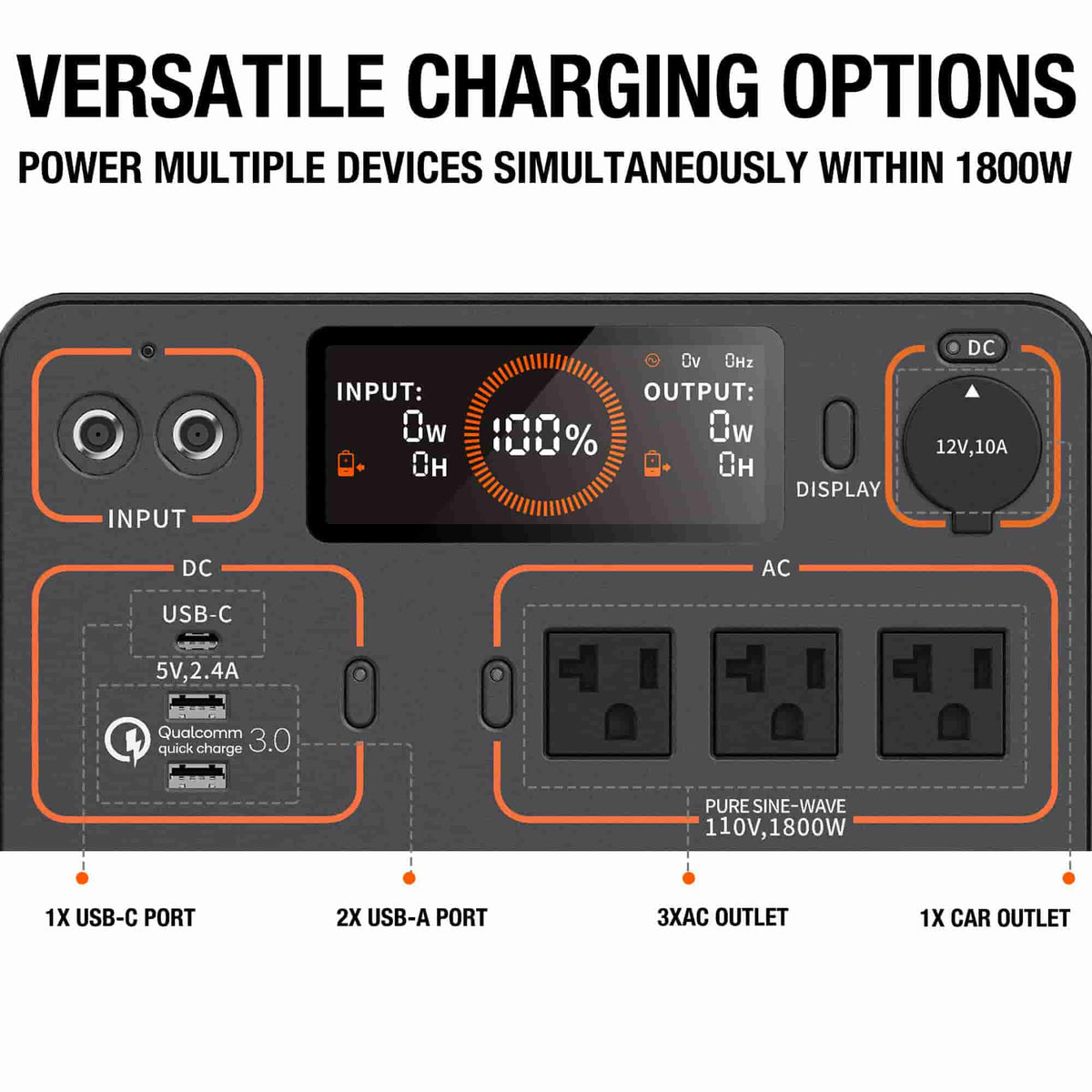
Portable power stations can charge multiple devices simultaneously. Their compatibility with various charging ports determines the number. USB, AC, and DC ports offer flexibility for phones, laptops, and other gadgets.
Usb Ports
Portable power stations often have multiple USB ports. These ports charge devices like phones, tablets, and cameras. Many power stations include USB-A and USB-C ports. USB-C is faster and charges devices quickly. Each port has a limit on how much power it gives. Check your device’s needs before using the port.
Ac Outlets
Power stations also have AC outletsfor larger devices. These outlets are like wall plugs at home. You can charge laptops, small TVs, or even mini-fridges. Each outlet has a maximum power limit. Ensure your device’s power is within this limit. This helps avoid overloading the power station.
Dc Ports
Some power stations include DC ports. These are for car chargers and certain appliances. DC ports are useful for road trips or camping. They offer steady power for long-term use. Check your device’s connector type. Ensure it fits the DC port properly.

Credit: www.generac.com
Factors Affecting Charging Efficiency
Portable power stations’ charging efficiency depends on battery capacity, output ports, and device power needs. More ports allow charging of multiple devices, but overall efficiency may drop with increased load.
Device Power Requirements
Every device needs a different amount of power. Phones need less power than laptops. A tablet also needs more power than a smartphone. Knowing this helps plan charging. Some devices charge faster if they get more power. Others might need less. Understanding these needs is key. It helps in efficient charging.
Simultaneous Charging Impact
Charging many devices at once can slow down charging speed. A power station can get tired if too many devices are connected. More devices means less power for each one. The power station shares its energy. This might make charging take longer. It’s like sharing candy with friends. Everyone gets less. Choose which devices need power the most. Charge them first for better efficiency.
Real-world Charging Scenarios
Portable power stations can charge multiple devices simultaneously, including smartphones, laptops, and cameras. The number of devices depends on the station’s capacity and output ports. Always check the power station specifications to ensure compatibility with your devices.
Camping And Outdoor Use
Portable power stations can charge many devices at once. They are useful for camping tripsand other outdoor activities. You can charge phones, tablets, and cameras easily. Some power stations can also charge small lightsand fans. Check the power station’s ports to know how many devices it supports. Most have USB and AC outlets. This helps in charging different gadgets quickly. Make sure to manage power wisely. This ensures your devices have enough charge for your trip.
Emergency Situations
During emergencies, power stations are very helpful. They can charge your phone and keep it ready for calls. Flashlights can also be charged to provide light. Many power stations can support a radioor a small TV. They help you stay informed. Some stations have solar panels for recharging. This is useful if the power is out for long. Always keep your power station fully charged. This ensures you are prepared for unexpected events.
Choosing The Right Portable Power Station
Understanding the capacity of a portable power station is crucial. It determines how many devices you can charge at once. Choose one with multiple ports and sufficient wattage for your needs. This ensures all your gadgets stay powered, whether it’s phones, laptops, or even small appliances.
Assessing Your Needs
Think about how many devices you need to charge. Do you have a phone, tablet, and laptop? Count the devices you use every day. Make sure your power station can handle them. Check the power station’s capacity. It’s important for charging all your devices. Look at the charging ports. Different ports work for different devices. USB ports are common for phones and tablets. AC outlets are used for laptops and cameras. Some power stations even have DC ports. This helps with special devices. Make a list of your devices. Match them with the right ports. This makes your choice easier.
Evaluating Features
Battery capacity is crucial. It tells how long your devices stay charged. Look for a high-capacity battery. This means more power for your devices. Portability matters too. You need a power station that’s easy to carry. Lightweight models are best for travel. Safety features protect your devices. Look for overcharge protection. Also, short circuit protection is essential. Durability is important. You want a power station that lasts. Check if it’s water-resistant. Consider its build quality. Compare different models. Choose the one that fits your needs.
Credit: ca.jackery.com
Frequently Asked Questions
What Is The Capacity Of A Portable Power Station?
The capacity of a portable power station typically ranges from 100Wh to 2000Wh. It varies depending on the model. Higher capacity offers more power for devices and longer usage times. Always check the specifications to match your needs.
What Are The Disadvantages Of A Portable Power Station?
Portable power stations can be expensive and have limited battery capacity. They may not support high-power devices. Charging times can be lengthy, and they can be heavy to carry. Availability of replacement parts and long-term reliability might also be concerns.
Can A Portable Power Station Run A Refrigerator?
Yes, a portable power station can run a refrigerator if it provides sufficient wattage. Check the refrigerator’s wattage and ensure the power station matches or exceeds it. Consider battery capacity for longer operation. Use energy-efficient models to optimize power usage.
How Long Does A Portable Power Station Last On One Charge?
A portable power station can last between 3 to 13 hours on one charge. The duration depends on its capacity and the power demand of connected devices. Check the power station’s specifications for more accurate information.
Conclusion
A portable power station is a handy tool for charging multiple devices. It charges phones, tablets, laptops, and more. Most stations have several ports. This means you can charge different devices at once. Check the power station’s capacity first. It helps ensure all devices get enough power.
Remember, not all devices need the same amount of energy. Choose wisely based on your needs. A good choice makes your outdoor adventures stress-free. So, plan your energy usage well. Enjoy a reliable power source wherever you go.