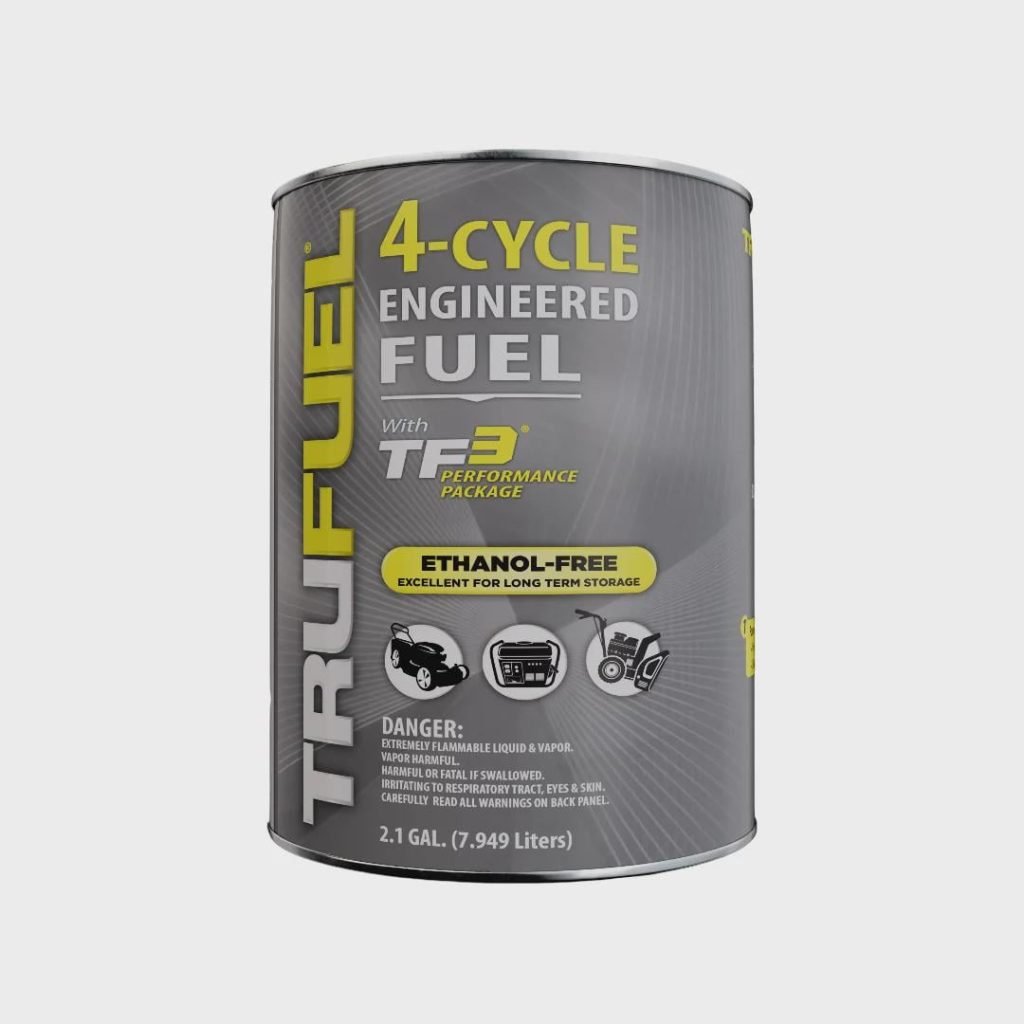
Picture this: a week without access to your usual fuel supply. It might be due to a natural disaster, a power outage, or simply an adventurous off-grid getaway.
Whatever the reason, being prepared can make all the difference. You might wonder, “How many fuel cans do I really need for a week-long backup? ” This question is not just about numbers; it’s about ensuring your peace of mind and maintaining your everyday comforts.
Imagine the confidence of knowing you have enough fuel to keep your generator running, your car ready, and your essential equipment powered. As we delve into this topic, we will uncover the factors that influence your fuel needs and how you can accurately calculate the right amount for your specific situation. By the end of this article, you’ll feel equipped and empowered, ready to handle any unexpected fuel challenge with ease. So, let’s dive in and explore how you can secure your energy future!

Credit: www.amazon.ca
Estimating Daily Fuel Use
Calculate appliance fuel useby checking each device’s fuel rate. Multiply the rate by hours used daily. Add all to get total daily fuel consumption for appliances.
Estimate vehicle fuel needsby noting average daily miles and fuel efficiency. Multiply miles by fuel use per mile. This gives daily fuel needed for transportation.
Account for generator usageby finding its hourly fuel burn rate. Multiply by hours generator runs each day. Add this to total daily fuel requirements.
| Fuel Source | Calculation | Example |
|---|---|---|
| Appliances | Fuel rate (gallons/hour) × hours used | 0.5 × 4 = 2 gallons |
| Vehicle | Miles driven × fuel per mile | 30 × 0.05 = 1.5 gallons |
| Generator | Fuel burn rate × hours used | 1 × 3 = 3 gallons |

Credit: www.amazon.ca
Types Of Fuel Cans
Fuel cans come in different materialslike plastic and metal. Plastic cans are lightweightand easy to carry, but metal cans are more durableand resist damage better. Both types can hold fuel safely if handled correctly.
Sizes vary from 1 gallon to 5 gallonsor more. Choosing the right size depends on how much fuel backup you need for the week. Larger cans store more fuel but are heavier to move.
Safety features include tight-sealing capsto prevent leaks, and spoutsfor easy pouring. Some cans have child-resistant locksand are fire-resistant. These features help keep fuel secure and reduce risks.
Storage And Safety Tips
Proper ventilationkeeps fuel fumes from building up indoors. Use well-ventilated areas like garages or sheds. Avoid storing fuel cans in basements or closed rooms.
Avoiding fuel contaminationmeans keeping fuel clean and fresh. Always use clean containers made for fuel. Keep lids tightly closed to stop dirt and water from getting inside. Label cans with the purchase date.
| Safe Placement Guidelines |
|---|
|

Credit: www.mgraves.org
Fuel Shelf Life And Rotation
Fuel shelf lifedepends on the type and storage conditions. Gasoline lasts about 3 to 6 monthswithout additives. Diesel can last up to 12 monthsif kept sealed and cool.
Proper rotationmeans using older fuel first. Always label cans with the purchase date. Store fuel in cool, dry placesto extend life. Avoid sunlight and heat exposure.
Signs of spoiled fuelinclude:
- Strong, sour smell
- Change in color (dark or cloudy)
- Clumps or gel-like texture
- Engine performance problems
Calculating Total Fuel Needs
First, add up the daily fuel usefor all your devices. This gives a basic idea of fuel needs for one day. Multiply this by seven for a full week’s supply.
Next, plan for emergencies. Keep extra fuel ready in case of power outages or other unexpected events. This fuel acts as a safety net.
Include a buffer amountof about 10-20% more than your total estimate. This helps cover any extra use or mistakes in calculation.
- Calculate daily fuel use.
- Multiply by 7 for a week.
- Add extra for emergencies.
- Include a 10-20% buffer.
Selecting The Right Number Of Cans
Choosing the right number of fuel cans depends on how much fuelyou need and space available. Bigger cans hold more fuel but take more room. Smaller cans are easier to carry but need more of them.
Consider whereyou will store the cans. Tight spaces mean fewer, larger cans might not fit well. In open areas, many small cans can be stacked safely.
- Portability:Smaller cans are lighter and easier to move.
- Capacity:Larger cans reduce the total number needed.
- Storage:Find a balance between size and space.
| Budget | Fuel Can Size | Number of Cans | Total Cost |
|---|---|---|---|
| Low | 5 liters | 4 | $40 |
| Medium | 10 liters | 3 | $75 |
| High | 20 liters | 2 | $100 |
Plan your budgetbefore buying. Smaller cans cost less but need more. Bigger cans cost more but last longer.
Legal And Environmental Concerns
Fuel storage regulationsvary by location but always require safe containers. Use only approved fuel cansto avoid leaks and spills. Store fuel in a cool, dry placeaway from heat or flames. Labels must be clear to prevent accidents. Avoid storing fuel near living areas or electrical devices.
Disposal of old fuelis important to protect health and environment. Never pour fuel into drains, soil, or water. Many communities offer hazardous waste disposalservices. Check local guidelines for safe disposal options. Old fuel can cause pollutionand damage to plants and animals.
Environmental impactincludes air pollution and soil contamination. Spills can kill wildlife and harm water sources. Using proper containers and storage helps reduce risks. Always clean up spills immediately. Plan fuel use carefully to avoid waste.
Frequently Asked Questions
How Many Fuel Cans Are Needed For A Week Backup?
The number depends on your fuel consumption and engine size. Calculate daily usage and multiply by seven. Always add extra cans for emergencies to ensure sufficient backup.
What Size Fuel Cans Are Best For Weekly Backup?
Five-gallon cans are common for weekly backup. They balance portability and capacity well. Smaller cans increase trips, while larger cans are heavy and harder to handle.
How To Safely Store Fuel Cans For Backup?
Store fuel cans in a cool, ventilated area away from heat sources. Use approved containers and label them clearly. Regularly check cans for leaks or damage to ensure safety.
Can Fuel Degrade During Weekly Storage?
Yes, fuel can degrade over time, losing efficiency. Adding fuel stabilizers can extend shelf life. Rotate stored fuel every few months to maintain quality.
Conclusion
Planning fuel cans for a week’s backup saves stress later. Calculate your daily fuel use first. Then, multiply by seven days. Don’t forget to add a little extra for safety. Choose the right size cans to make storage easy. Store fuel in a cool, safe place.
Check cans regularly to avoid leaks or damage. This simple step keeps your backup ready when needed. A good plan means you stay prepared and calm. Fuel backup is smart and simple with clear steps.