
When the power goes out, you want your home standby generator to keep your lights on and your life running smoothly. But how long can you actually count on it to work?
Understanding how many hours a home standby generator lasts can help you plan better and avoid unexpected outages. If you’ve ever wondered whether your generator will hold up during a long blackout, this article is for you. Keep reading to discover what affects your generator’s runtime and how to make sure it’s ready when you need it most.
Types Of Home Standby Generators
Home standby generatorscome in two main types: portableand permanent. Portable generators are smaller and easier to move. They are good for short-term use and emergencies. Permanent generators are fixed outside the house and start automatically during power outages. They provide power for longer times and run quietly.
Fuel sources vary and affect how long the generator runs. Common fuels include:
- Natural gas: Clean and runs as long as gas is available.
- Propane: Stored in tanks, lasts longer than gasoline.
- Diesel: Powerful, good for long use but can be noisy.
- Gasoline: Easy to find but runs out faster.
| Type | Mobility | Use Duration | Fuel |
|---|---|---|---|
| Portable | Easy to move | Short-term | Gasoline, propane |
| Permanent | Fixed | Long-term | Natural gas, propane, diesel |

Credit: www.generac.com
Average Runtime Of Generators
Home standby generators usually run between 8 to 24 hourson a full fuel tank. This depends on the fuel typeand generator size. Natural gas models can run longeras they connect directly to the gas line. Propane and diesel generators need tank refills more often.
| Fuel Type | Average Runtime per Tank |
|---|---|
| Natural Gas | Up to 24 hours |
| Propane | 8 to 12 hours |
| Diesel | 10 to 24 hours |
Generators often have continuous operation limits. Most can run safely for 8 to 12 hoursbefore needing a break or maintenance. Running too long can cause overheatingor wear.
Factors Affecting Generator Lifespan
The load capacityaffects how long a generator can run. A generator running near its max load wears out faster. Smaller loads help extend its life.
Maintenance practicesare key. Regular oil changes, filter replacements, and inspections keep the generator healthy. Neglecting maintenance causes parts to fail sooner.
Environmental conditionsalso play a big role. Generators in hot, humid, or dusty places tend to last shorter. Clean, dry areas help generators run longer and smoother.
Fuel Efficiency And Consumption
Gasolineis common for home standby generators. It burns faster and stores for a shorter time. Gasoline generators usually run for 8-12 hours on a full tank. They need refilling more often during long power outages.
Propanelasts longer in storage and burns cleaner. Propane generators can run 10-24 hours depending on tank size. The fuel is lighter and easier to store safely. This makes propane a good choice for longer standby times.
| Fuel Type | Run Time (Approx.) | Storage Life | Notes |
|---|---|---|---|
| Gasoline | 8-12 hours | Short (few months) | Needs frequent refills, burns faster |
| Propane | 10-24 hours | Long (years) | Burns cleaner, easy to store |
| Diesel | 12-24 hours | Moderate (1 year) | High efficiency, good for heavy use |
Dieselis powerful and fuel efficient. It lasts longer per gallon than gasoline. Diesel generators run well for 12-24 hours before refilling. The fuel stores well but needs careful handling. Diesel suits homes with heavy power needs.
Signs Of Generator Wear
Performance dropsoften show generator wear. It may take longer to start or fail to power all devices. Fuel consumption might rise without extra load. The engine might run unevenly or stall.
Unusual noisesare a key sign. Loud knocking, rattling, or grinding sounds indicate parts wear or damage. These noises can mean loose belts, worn bearings, or engine trouble. Ignoring sounds can cause bigger damage.
Frequent breakdownsalso signal problems. Generators needing repair more often may have worn parts or poor maintenance. Breakdowns can happen during use or startup. Regular issues reduce reliability during power outages.

Credit: lghomecomfort.ca
Maximizing Generator Life
Regular maintenancehelps your generator run longer and better. Change the oil and filter every 100 hours or as the manual says. Check and clean the air filter to keep the engine breathing well. Test the battery and keep it charged, so the generator starts easily. Run the generator monthly for about 20 minutes to keep parts moving and fuel fresh. Look for any leaks or loose parts and fix them fast.
Use the generator only as needed. Avoid running it at full load all the time. Let the generator cool down before refueling to avoid fire risk. Store fuel safely and use the right type recommended by the manufacturer. Keep the generator dry and clean to stop rust and damage. Follow the owner’s manual for specific care tips. Proper use and care can make your generator last many years.
When To Replace Your Generator
Cost vs. repair analysishelps decide when to replace a generator. Repairs can be costly if parts fail often. Sometimes, fixing old parts costs more than buying a new one. Frequent breakdowns mean lost power and more expenses. Compare the price of a new generator with repair bills. Choose the option that saves money in the long run.
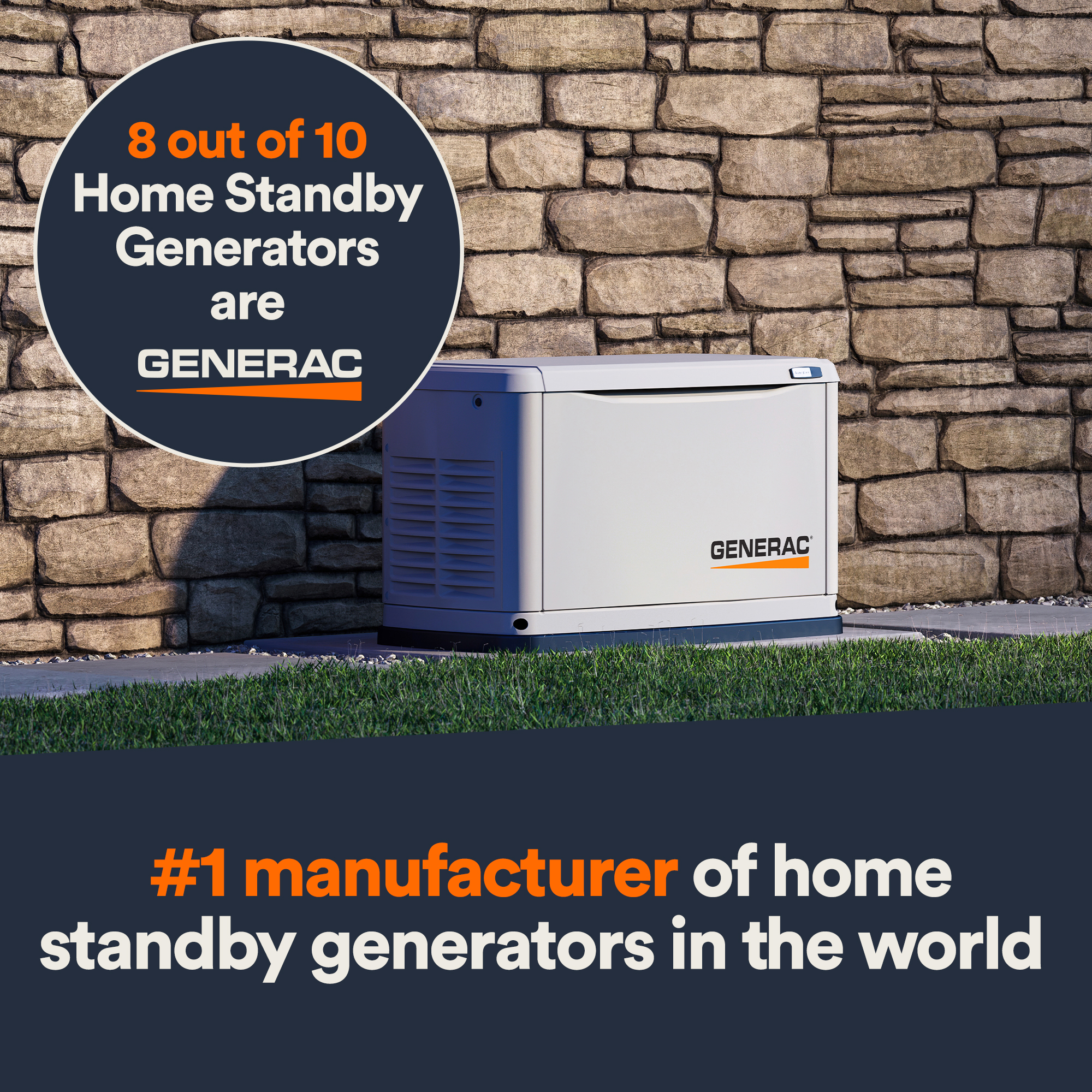
Technological upgradesimprove generator efficiency and safety. Newer models use less fuel and run quieter. They also have better controls and monitoring systems. Upgrading means better power during outages and less maintenance. Older units may lack modern safety features. Consider replacing if your generator is outdated or hard to fix.
Credit: www.generac.com
Frequently Asked Questions
How Long Can Home Standby Generators Run Continuously?
Home standby generators can typically run for 8 to 24 hours continuously. Runtime depends on fuel type, generator size, and load. Proper maintenance ensures optimal performance during extended power outages.
What Factors Affect Standby Generator Runtime?
Fuel capacity, load demand, and generator efficiency affect runtime. Larger fuel tanks and efficient engines increase operating hours. Regular servicing also helps maintain consistent performance and longer runtimes.
Can Standby Generators Run Indefinitely During Power Outages?
Standby generators are designed for extended use but not indefinite operation. They need refueling and periodic maintenance. With enough fuel and proper care, they can run as long as needed during outages.
How Often Should Standby Generators Be Tested?
Testing standby generators monthly ensures reliability. Short test runs help check fuel levels, battery health, and engine function. Regular testing prevents unexpected failures during power loss.
Conclusion
Home standby generators are essential for power backup. Understanding their lifespan helps plan better. Most generators last between 10,000 to 30,000 hours. Regular maintenance extends their life. Check oil and filters frequently. Keep them clean and dry. Different models offer varied lifespans.
Choose one that suits your needs best. Always consult the manual for specifics. Proper care ensures reliability during power outages. Investing in a quality generator pays off over time. Stay prepared and keep your home powered.