
Are you tired of losing power during unexpected outages? Do you find yourself scrambling to keep your essential appliances running when the electricity goes out?
A standby generator could be the solution you need. But how do you determine the right size for your home or business? Choosing the correct kilowatt (kW) capacity for your standby generator is crucial to ensure seamless power supply without overspending on unnecessary capacity.
In this guide, we’ll walk you through the key factors to consider when deciding on the kW size of your standby generator. By the end, you’ll have a clear understanding of what fits your needs best, giving you peace of mind and uninterrupted power when you need it most. Stay with us, and let’s find the perfect power solution for you.

Credit: www.amazon.ca
Calculating Power Needs
Start by listing all essential appliancesyou want powered during an outage. This usually includes the refrigerator, lights, furnace, and medical devices. Knowing these helps focus on what truly needs power.
Next, estimate total wattageby checking each appliance’s label. Add their running watts together. This gives a basic idea of power needed to run everything at once.
Some appliances, like air conditioners or refrigerators, need more power to start. These are called starting watts. Make sure your generator can handle these higher bursts.
| Appliance | Running Watts | Starting Watts |
|---|---|---|
| Refrigerator | 700 | 2200 |
| Furnace | 1000 | 1500 |
| Lights | 300 | 300 |
Types Of Standby Generators
Portable generatorsare easy to move and use in different places. They are usually less powerful but good for small power needs. Permanently installed generatorsstay outside your home and turn on automatically during power cuts. They can power the whole house or large parts of it.
| Fuel Type | Efficiency | Notes |
|---|---|---|
| Gasoline | Good for short use | Easy to find but stores poorly |
| Diesel | More efficient for long use | Lasts longer, less fuel needed |
| Natural Gas | Clean and continuous supply | Needs gas line connection |
| Propane | Clean burning, stored easily | Good for areas without gas line |
Factors Influencing Generator Size
Home size and layoutaffects the generator size needed. Larger homes need more power. Open floor plans may use more electricity. Multiple rooms with many devices require higher capacity.
Climate and usage patternsalso matter. Cold climates need power for heating. Hot areas use more electricity for cooling. Consider how often and how long power is needed.
Future power requirementsshould be planned for. Adding new appliances or rooms increases demand. It is wise to choose a generator that can handle future growth.
Sizing Guidelines And Calculations
Wattage calculators help find the right kilowatt (kW) sizefor your generator. Enter the total watts of all devices you want to power. This includes lights, refrigerators, heaters, and other appliances. The calculator adds these numbers to give a base wattage.
Most devices need extra power when they start. This is called surge capacityor starting wattage. It can be 2 to 3 times higher than running wattage. For example, air conditioners and pumps often need more power at startup.
Allow for surge by adding about 20-30%more watts to your total. This ensures the generator can handle sudden power spikes without stopping.
| Device Type | Running Watts | Starting Watts (Surge) |
|---|---|---|
| Refrigerator | 700 | 2200 |
| Air Conditioner | 1500 | 4500 |
| Light Bulb | 60 | 60 |
Installation Considerations
A professional assessmenthelps determine the right generator size. Experts check your home’s total power needs. They consider appliances, heating, cooling, and lighting. This ensures the generator can handle all essential loads.
Permits are usually needed before installation. Local authorities check if your generator meets safety codes. These codes protect your home and neighborhood. Following rules avoids fines and delays.
- Confirm if permits are required in your area
- Hire a licensed electrician or installer
- Ensure proper ventilation and fuel supply
- Check noise restrictions and placement rules
Cost Vs Capacity
Budgeting for your generatormeans balancing cost with power needs. A generator with higher kW capacity costs more upfront. Smaller generators cost less but might not power all devices during outages. Choosing the right size helps avoid paying for unused power. Consider the appliances you want to run and their total wattage.
Long-term savings and maintenanceaffect overall cost. Bigger generators may use more fuel but last longer with proper care. Regular maintenance keeps the generator efficient and can prevent costly repairs. Cheaper models might need more repairs, adding to expenses over time.
| Factor | Impact on Cost |
|---|---|
| Generator Size (kW) | Higher size means higher price |
| Fuel Consumption | Bigger units use more fuel |
| Maintenance | Regular care lowers repair costs |
| Initial Price vs Long-Term Cost | Cheaper first, may cost more later |
Common Mistakes To Avoid
Overestimating power needscan lead to buying a generator that is too large. This wastes money and fuel. Generators that are too big run less efficiently and wear out faster. A generator should match the actual power needsof your home or business. Calculate the total wattage of all appliances you want to run. Add a small margin for safety, but avoid large overestimates.
Ignoring fuel availabilityis another common mistake. Different generators use different fuels like gasoline, diesel, or propane. Choose a generator with fuel that is easy to get and store. Consider how long the fuel lasts and how safe it is to keep at home. Running out of fuel during an outage makes the generator useless.
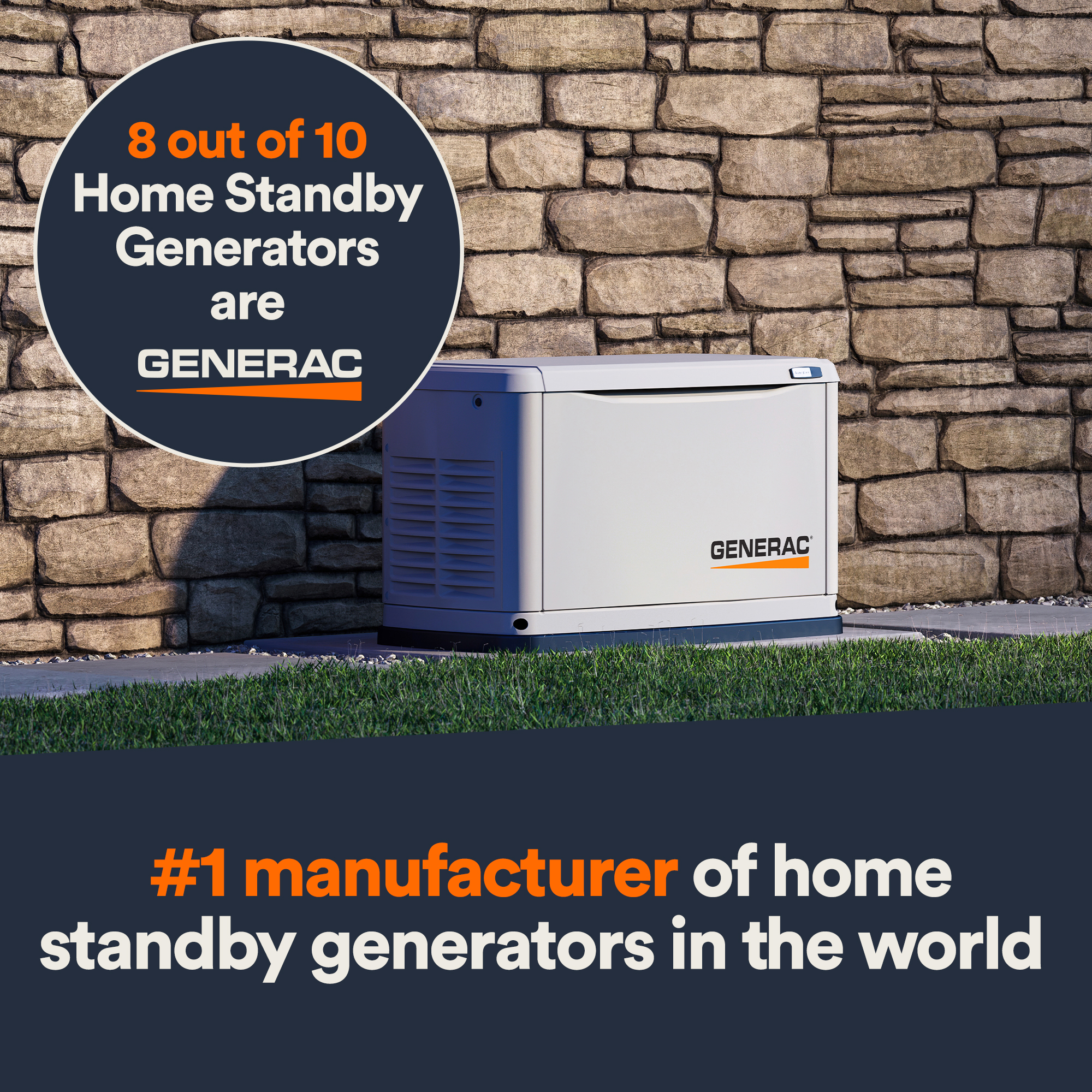
Credit: www.generac.com
Upgrading And Maintenance Tips
Regular testing keeps the generator ready for use. Run the generator under load every month. Check oil, filters, and batteries often. Servicing helps find small problems before they grow. A well-maintained generator lasts longer and works better.
Plan for future power needs. Your home or business may grow. Add extra capacity to handle new devices or machines. Discuss your plans with a professional before buying. This avoids buying a generator that is too small later.

Credit: www.generac.com
Frequently Asked Questions
How Do I Calculate The Kw Size For My Generator?
To calculate kW size, list essential appliances and their wattages. Add their wattage totals, then add 20-25% for startup surge.
What Factors Affect Standby Generator Kw Requirements?
Factors include total appliance wattage, surge power needs, and future expansion plans. Climate and fuel type can also influence sizing.
Can A Generator Be Too Large Or Too Small?
Yes. Too small can overload the generator, causing damage. Too large wastes fuel and costs more upfront.
How Many Kw For A Typical Home Standby Generator?
Most homes need between 7 kW and 20 kW. The exact size depends on your appliances and electrical needs.
Conclusion
Choosing the right kW for your standby generator matters a lot. Think about what appliances and devices you need to power. Add their wattages to get a rough total. Pick a generator that can handle a bit more than this number.
This extra power helps during startup and prevents overload. A properly sized generator keeps your home safe and comfortable. Take time to plan carefully for peace of mind during outages. Your power needs guide you to the best generator choice.