Are you setting up a generator for your home or business? Then, understanding how many watts your transfer switch can handle is crucial.
Picture this: a powerful storm knocks out your electricity, but you’re not worried. Why? Because you’ve equipped yourself with the right transfer switch that seamlessly manages your power needs. But, how do you ensure it’s capable of handling all your appliances without a hitch?
In this guide, you’ll uncover the secrets to determining the wattage capacity of your transfer switch. Discover how to avoid the pitfalls of overloading and protect your valuable electronics. Let’s dive into the details and empower you with the knowledge to make the right choice, ensuring peace of mind the next time the lights go out.

Credit: www.amazon.com
What Is A Transfer Switch
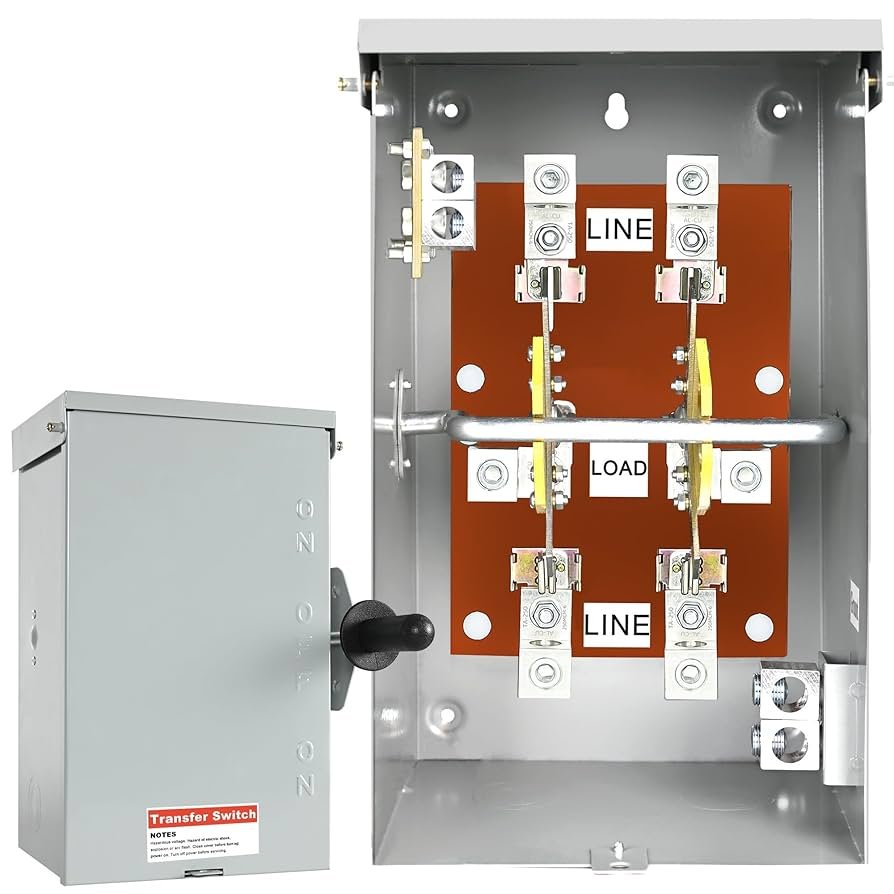
A transfer switchis a device that safely changes power from one source to another. It connects the main power line to a backup power source, like a generator. This switch helps prevent power from flowing back into the main lines, which can be dangerous.
Transfer switches come in different sizes and can handle various power levels. They ensure your home or business gets electricity without interruption during outages.
- Automatically or manually switches power sources
- Protects electrical systems and utility workers
- Supports generators or alternative power sources
Why Watt Capacity Matters
Watt capacityshows how much power a transfer switch can handle safely. It must match or exceed the total power of your devices.
If the switch capacity is too low, it may cause overloadsor damage. This can lead to power failure or fire risks.
Choosing the right watt capacity keeps your system safeand reliable. It also protects your appliances from damage.
- Check the watt rating on your transfer switch label.
- Add up the wattage of all devices to be powered.
- Pick a switch with a watt capacity higher than your total load.
Types Of Transfer Switches
Manual transfer switcheslet you change power sources by hand. They are simple and cost less. You flip a switch to move from the main power to backup power. These switches work well for small homes or places where power outages are rare. They need someone to be there to switch them.
Automatic transfer switchesswitch power on their own. They sense when the main power is out and start the backup generator. Then, they switch the power source automatically. These switches are good for places needing constant power, like hospitals or offices. They help keep machines running without delay.
Common Watt Ratings For Transfer Switches
30 amp transfer switcheshandle around 7,200 watts. These are common for small homes or RVs. They work well with essential devices like lights and small appliances.
50 amp switchessupport up to 12,000 watts. Suitable for medium-sized homes or more appliances. They can power heaters, refrigerators, and several lights at once.
100 amp transfer switchesmanage up to 24,000 watts. Ideal for larger homes or small businesses. Can run many devices, including air conditioners and water pumps.
200 amp switchescan handle up to 48,000 watts. Used in big homes or places with heavy power needs. Perfect for running multiple large machines together.
Calculating Your Power Needs
Start by making a list of all essential appliancesyou want to power. Include items like the refrigerator, furnace, lights, and water heater. Each appliance has two power ratings: starting watts(higher power when turning on) and running watts(power used while running).
Estimate the total starting watts by adding the highest starting watts from your list. Then, add all running watts of the appliances you want to run at the same time. This gives a clear idea of your total power needs.
It is smart to add a safety marginof about 20-25%. This extra power helps handle unexpected surges and keeps the transfer switch working well. For example, if your total watts are 5000, add 1000-1250 watts more for safety.

Credit: www.amazon.com
Matching Transfer Switch To Generator Size
A transfer switch must match the generator’s wattage capacity. Using a switch with lower watts can cause damageor power failure. The switch’s rating should be equal to or higher than the generator’s maximum output. This ensures safe operationand reliable power transfer.
Generators come in different sizes. Small portable ones may need switches rated for 5,000 watts or less. Larger home standby generators require switches rated for 10,000 watts or more. Always check the generator’s wattagebefore selecting a switch.
| Generator Size (Watts) | Recommended Transfer Switch Rating (Watts) |
|---|---|
| Up to 5,000 | 5,000 or higher |
| 5,001 to 10,000 | 10,000 or higher |
| Above 10,000 | Match or exceed generator wattage |
Installation And Safety Tips
Always choose a transfer switch that matches your generator’s wattage. Installing a switch with lower watt capacity can cause overloadsor damage. Use a licensed electricianto ensure safety and code compliance. Switches must be properly groundedto avoid electrical shocks.
Keep the switch and generator dry and free from dust. Regularly inspect wiring and connections for wearor damage. Never connect the generator directly to your home’s wiring without a transfer switch. This prevents backfeed, which can be dangerous for utility workers.
- Check transfer switch capacity before purchase.
- Hire a professional for installation.
- Keep all equipment dry and clean.
- Inspect wires often for safety.
- Never bypass the transfer switch.
Common Mistakes To Avoid
A common mistake is choosing a transfer switch with too low wattagefor your needs. This can cause overloadingand damageto the switch and connected devices. Another error is not considering the surge wattageof appliances, which can be higher than the running wattage.
Failing to match the switch capacitywith your generator’s power can lead to inefficiencyand safety risks. Also, using a transfer switch without professional installationmight cause wiring mistakes and void warranties.
- Ignoring the total wattage of all connected devices
- Choosing a switch with a lower rating than needed
- Not accounting for startup surges of motors or compressors
- Installing the switch without proper electrical knowledge
- Skipping regular maintenance and inspection
Upgrading Your Transfer Switch
Upgrading your transfer switch means choosing one with the right watt rating. The switch must handle all the power your home needs. A switch too small can cause problems or even damage. Check the total wattage of your essential appliances first. Then pick a switch that covers that number easily.
Consider these points:
- Know your total watt load. Add up all devices you want to power.
- Choose a switch with higher wattsthan your total load for safety.
- Think about future power needs. You might add more appliances later.
- Consult a professionalto ensure proper installation and sizing.

Credit: www.amazon.com
Frequently Asked Questions
How Many Watts Can A Standard Transfer Switch Handle?
A standard transfer switch typically handles between 30 to 200 amps. This translates to about 7,200 to 48,000 watts, depending on your voltage. Always check the switch’s rating to match your generator and home power needs accurately.
Can Transfer Switches Handle Surge Watts From Appliances?
Yes, transfer switches can handle surge watts, but only if sized correctly. Surge watts are temporary spikes when appliances start. Choose a transfer switch with a higher watt rating than your peak surge load to avoid overload.
What Determines The Watt Capacity Of A Transfer Switch?
The watt capacity depends on the switch’s amperage and voltage rating. For example, a 100-amp switch at 240 volts handles up to 24,000 watts. Always match the transfer switch capacity with your generator and household power requirements.
Is It Safe To Overload A Transfer Switch With Extra Watts?
No, overloading a transfer switch is unsafe and risks damage or fire. Always use a switch rated for your maximum watt load to ensure safe and reliable power transfer during outages.
Conclusion
Choosing the right transfer switch depends on your power needs. Know the total watts of your devices before buying. A switch must handle more watts than your equipment uses. This keeps your home safe and your power steady. Check the switch’s rating on the label or manual.
Don’t guess or use a smaller switch. Doing this protects your appliances and avoids overloads. Always plan for a bit more power than usual. That way, you stay prepared for unexpected needs. Understanding watts helps you pick the best transfer switch.
Keep your power running smoothly and safely.