Are you tired of power outages disrupting your daily life? Imagine never having to worry about losing electricity again.
That’s the peace of mind a standby generator can provide. But before you make a purchase, you might be wondering, “How many watts do I need for a standby generator? ” This question is crucial, and getting the right answer can save you time, money, and frustration.
We’ll break down everything you need to know to make an informed decision. From understanding your power needs to ensuring your home remains fully operational during outages, we’ve got you covered. Keep reading to discover the perfect wattage for your standby generator and ensure your home is always prepared for anything.
Credit: bepowerequipment.com
Calculating Power Needs
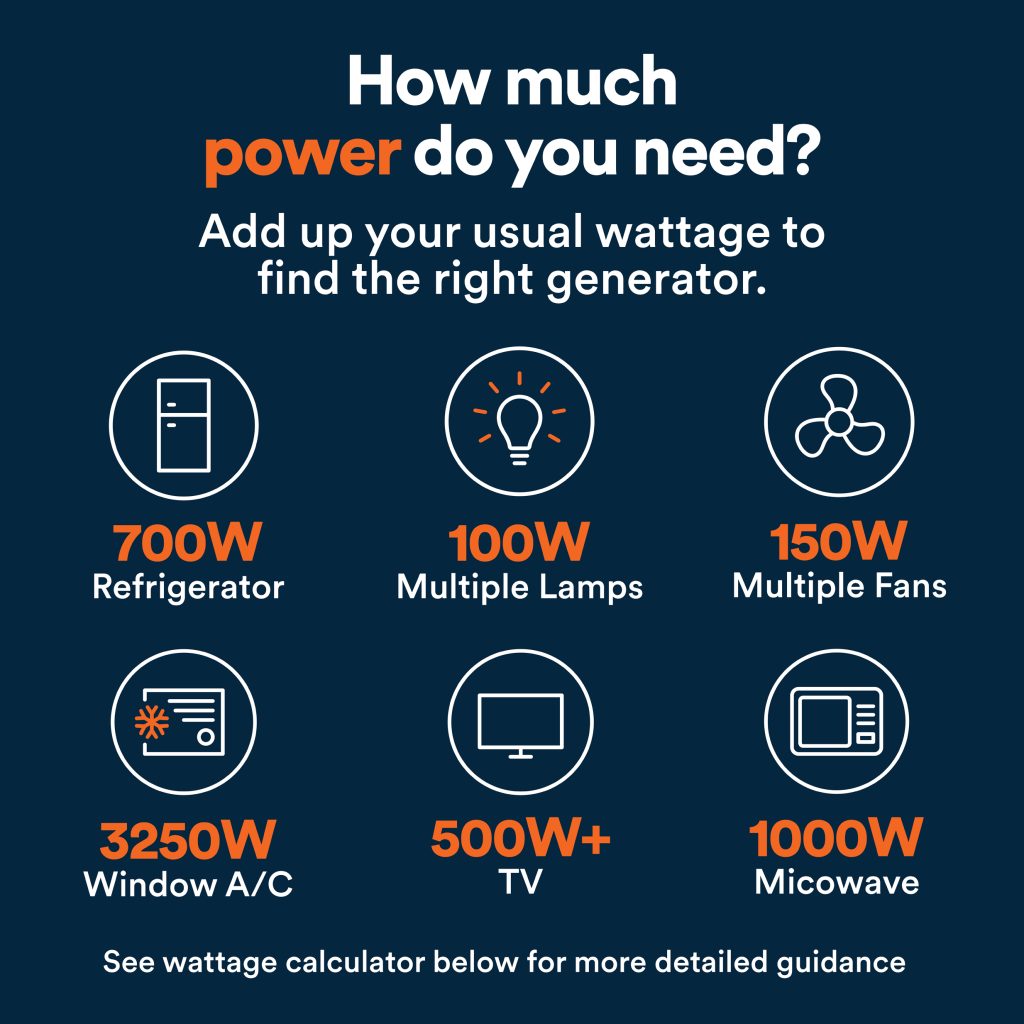
Make a list of essential appliancesyou want to power. These might include the fridge, lights, and furnace. Focus on appliances that keep your home safe and comfortable.
Estimate the starting wattsand running wattsfor each appliance. Starting watts are higher, needed when the appliance turns on. Running watts are lower, used while the appliance works.
| Appliance | Starting Watts | Running Watts |
|---|---|---|
| Refrigerator | 1200 | 600 |
| Furnace | 2200 | 800 |
| Lights (per bulb) | 60 | 60 |
Think about future power needs. You might add more appliances later. Add 10-20% extra watts for safety and growth.

Credit: www.popularmechanics.com
Types Of Standby Generators
Portable generatorsare easy to move and use for short power needs. They work well for camping or small homes. Permanent unitsare fixed outside your house. They start automatically during power cuts and power the whole home.
Fuel sources affect cost and how long the generator runs. Common fuels include natural gas, propane, and diesel. Natural gas is cheaper and cleaner. Diesel lasts longer but needs more care.
An automatic transfer switchchanges the power source from the grid to the generator. It starts the generator right away. This switch keeps your home safe and powered without you lifting a finger.
Matching Generator Size To Home
Small homes and apartments usually need 1,000 to 5,000 watts. This covers basic needs like lights, fridge, and a few small devices. A compact generator often fits this well.
Medium to large houses require more power. They often need 7,000 to 10,000 wattsto run essential appliances and some extra devices. Bigger generators give more comfort during outages.
| Home Type | Estimated Watts Needed | Common Appliances Covered |
|---|---|---|
| Small Homes and Apartments | 1,000 – 5,000 W | Lights, fridge, small devices |
| Medium to Large Houses | 7,000 – 10,000 W | Fridge, HVAC, lights, TV, washer |
| Homes with Specialized Equipment | 10,000+ W | Medical devices, workshop tools, large HVAC |
Homes with specialized equipment need more than 10,000 watts. This includes medical gear, workshop tools, and big heating or cooling units. A powerful generator ensures these run smoothly during power loss.

Credit: www.generac.com
Safety And Compliance
Electrical codes and regulationsensure safe generator use. They vary by region and must be followed strictly. Always check local rules before installation. This avoids fines and hazards. A licensed electrician should handle wiring and connections. Proper grounding is essential to prevent shocks and fires.
Proper installation practicesinclude placing the generator in a well-ventilated area. Keep it away from windows and doors. Use a sturdy platform to avoid moisture damage. Install carbon monoxide detectors nearby for safety. Secure all fuel lines and check for leaks regularly.
- Test the generator monthly to ensure it works.
- Change the oil as recommended by the manufacturer.
- Clean or replace air filters often.
- Inspect spark plugs and replace if worn.
- Keep the battery charged and terminals clean.
- Store fuel safely and rotate it to prevent spoilage.
Regular maintenance keeps your generator reliable and safe. Ignoring upkeep can cause failure during power outages.
Cost Considerations
The initial investmentfor a standby generator includes the purchase price and installation fees. Prices vary depending on the generator size and brand. Larger generators cost more but provide more power.
Fuel and operating costsdepend on the type of fuel used, like natural gas, propane, or diesel. Natural gas is usually cheaper and cleaner. Diesel can be more expensive but offers strong performance. Fuel efficiency affects monthly expenses.
Long-term savingscome from avoiding power outages and protecting appliances. A reliable generator can prevent food spoilage and lost work time. Maintenance costs are usually low if the generator is serviced regularly.
Frequently Asked Questions
How Do I Calculate Watts For A Standby Generator?
To calculate watts, list all appliances you want powered. Add their running watts plus starting watts for motors. This total helps determine the generator capacity you need for reliable power.
What Size Standby Generator Is Best For Home Use?
A 7,500 to 20,000-watt generator suits most homes. Size depends on your essential appliances and total power requirement. Choosing the right size prevents overload and ensures smooth operation during outages.
Can A Smaller Generator Handle Essential Appliances?
Yes, a smaller generator can power only essential appliances. Focus on critical devices like fridge, lights, and medical equipment. This approach saves cost but limits total power availability during outages.
Why Is Starting Wattage Important For Generators?
Starting wattage is the extra power needed to start motors. Appliances like refrigerators and pumps require more watts initially. Ignoring starting wattage can lead to generator overload or failure.
Conclusion
Choosing the right wattage ensures your generator runs smoothly. Think about your essential appliances first. Add up their power needs carefully. Don’t forget to include extra watts for startup. This helps avoid overload and keeps things safe. A well-sized generator gives peace of mind during outages.
Take your time to measure and plan. This way, you stay prepared without wasting money. Your home stays powered, no matter the situation. Simple steps lead to reliable backup power.