
Are you considering a standby generator for your home or business? One of the most crucial questions you’ll face is how many watts you’ll need to power it effectively.
Getting this right ensures that your generator runs smoothly, providing the peace of mind and reliability you crave during power outages. But where do you start? The truth is, understanding wattage can feel overwhelming, especially with so many options available.
Don’t worry; you’re not alone in this. This guide breaks it down into simple terms, making it easy for you to determine the right wattage for your specific needs. Stick around to uncover the secrets to choosing the perfect power level for your generator, and ensure you’re never left in the dark again.
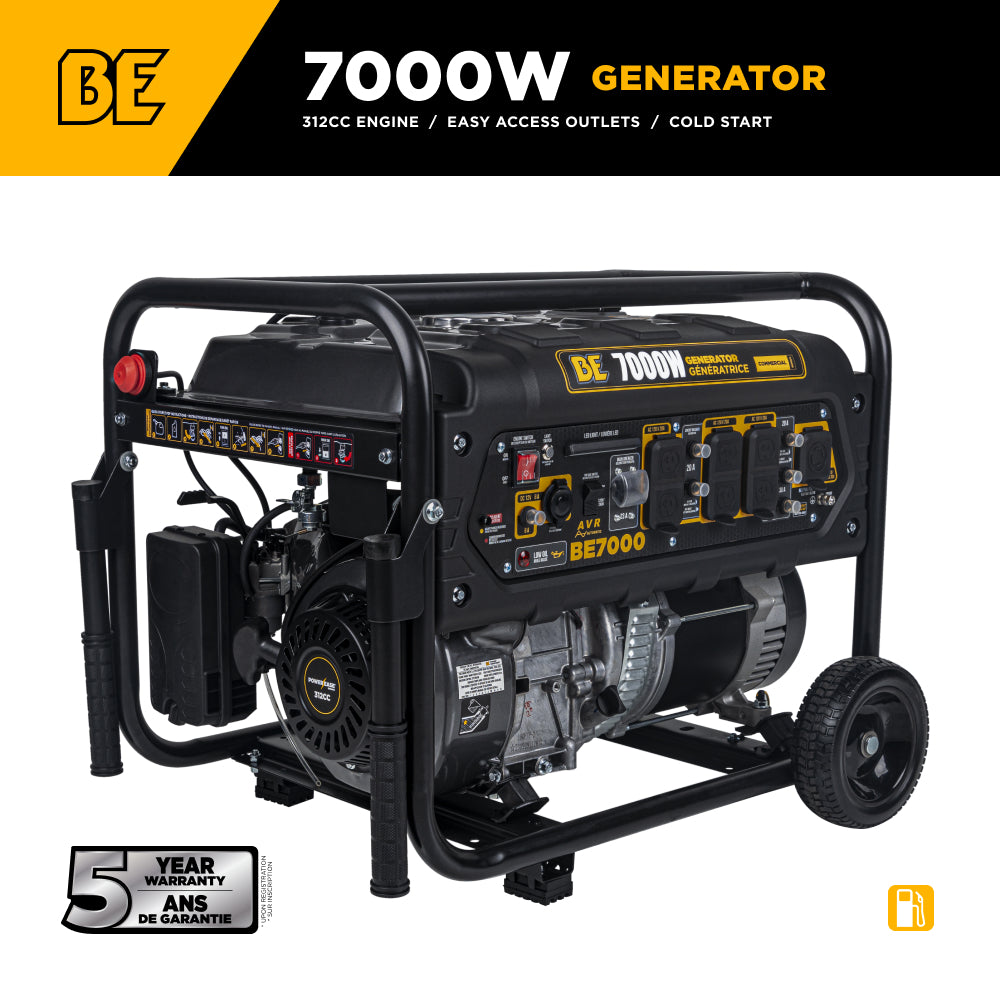
Credit: bepowerequipment.com
Watts And Power Basics
Wattsmeasure electrical power. It shows how much energy a device uses each second. A watt is a small unit. A kilowatt equals 1,000 watts.
Watts and kilowatts help decide the size of a generator. Generators need to produce enough watts to run your home or tools. Knowing the right watt size stops overloads and damage.
Why watts matter for generators:
- They show how much power the generator can provide.
- They help match the generator to your power needs.
- They prevent running out of power during outages.
- They ensure safe and steady electricity flow.
Types Of Standby Generators
Portable generatorsare smaller and easy to move. They run on gasoline and work well for short power outages. Standby generatorsare larger, fixed outside homes or buildings. They start automatically during power cuts and use natural gas or propane for fuel. These generators provide continuous power.
Fuel type affects how long the generator runs and how much it costs to operate. Gasoline is easy to find but burns fast. Propane burns cleaner and lasts longer. Natural gas is very efficient but needs a gas line connection.
| Generator Type | Fuel Type | Typical Wattage Range | Use Case |
|---|---|---|---|
| Portable | Gasoline | 1,000 – 7,500 watts | Small appliances, tools, camping |
| Standby | Natural Gas / Propane | 7,000 – 22,000 watts | Whole house power backup |
Calculating Your Power Needs
Make a list of essential appliancesyou need during an outage. Include items like the refrigerator, lights, and heater. These are devices that keep your home safe and comfortable.
Understand the difference between starting wattsand running watts. Starting watts are the extra power needed to start appliances. Running watts are the power used once the appliance is on. Some devices need much more power to start than to run.
Add the total wattageof all appliances. Use the starting watts for devices that start at once. Use the running watts for appliances that run continuously. This sum helps find the right generator size for your needs.
Sizing Your Generator
Match the generator’s wattageto the total power your home needs. Add the wattage of all devices you want to run at once. Include big appliances like refrigerators, heaters, and lights. This ensures the generator can handle the load without problems.
Consider future power needs.You might buy new appliances or add devices later. Choose a generator with slightly more power than you need now. This gives room for growth and avoids buying a new one soon.
Safety marginsprotect your generator from overload. Pick a generator with 10-20% more wattage than your total load. This helps avoid damage during power surges. Overload protection keeps your generator and devices safe.
Special Considerations
Powering sensitive electronicsrequires a generator with a stable output. Look for a model with low Total Harmonic Distortion (THD). This protects devices like computers and TVs from damage.
Handling surge loadsis important. Some appliances need more power to start. Choose a generator with a higher surge watt ratingthan the running wattage.
| Factor | Details |
|---|---|
| Generator Runtime | How long the generator can run on a full tank of fuel |
| Fuel Capacity | Bigger fuel tanks allow longer operation without refueling |
| Balance | Choose a generator with enough runtime for your needs and fuel storage |

Credit: www.generac.com
Installation Tips
Proper placementof a standby generator is key for safety and efficiency. Place it on a flat, stable surface outside the house. Keep it away from doors, windows, and vents to avoid exhaust fumes entering living spaces. Ensure there is enough space around the generator for airflow and maintenance access.
Electrical connectionsmust be done by a licensed electrician. Connect the generator to your home’s main electrical panel using a transfer switch. This prevents backfeeding and protects utility workers. Use the right gauge wire and circuit breakers rated for your generator’s power output.
Maintenance for optimal performanceincludes regular oil changes, air filter cleaning, and battery checks. Run the generator monthly to keep parts lubricated. Inspect fuel lines and keep fuel fresh. Regular upkeep extends the generator’s life and ensures it starts when needed.

Credit: www.generac.com
Frequently Asked Questions
How Many Watts Does A Typical Standby Generator Need?
A typical standby generator requires between 7,000 to 20,000 watts. The exact wattage depends on your home’s essential appliances and systems. Calculating your total power needs helps choose the right generator size for reliable backup power.
What Factors Affect Standby Generator Wattage Requirements?
Wattage depends on the number and type of appliances you want to power. Larger homes with more electrical devices need generators with higher wattage capacity. Consider starting watts for motors and surge power for appliances like refrigerators.
Can A Standby Generator Power An Entire House?
Yes, but it depends on the generator’s wattage capacity. Whole-house generators usually range from 15,000 to 22,000 watts. Ensure the generator matches your home’s peak power demands to avoid overloading and ensure safe operation.
How Do You Calculate Watts For A Standby Generator?
Add the wattage of all essential appliances and devices you plan to run simultaneously. Include starting watts for motors and surge appliances. This total determines the minimum generator wattage needed for efficient power backup.
Conclusion
Choosing the right wattage for a standby generator matters a lot. It keeps your home powered during outages. Calculate your essential appliances’ watt needs first. This helps avoid buying too small or too big a unit. A properly sized generator saves money and trouble.
Remember, safety and comfort depend on good planning. Take time to understand your power needs well. That way, you stay prepared and worry-free. Simple steps lead to reliable backup power. Keep your home running, no matter what.