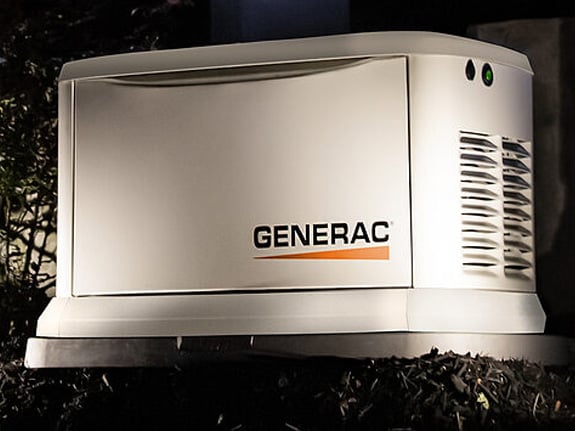
When the power goes out, your standby generator becomes your lifeline. But have you ever wondered how long you can count on it to keep running smoothly?
Knowing how many years a standby generator will last helps you plan better and avoid unexpected surprises. You’ll discover the key factors that affect your generator’s lifespan and learn simple tips to extend it. Keep reading to make sure your backup power is reliable when you need it most.

Credit: canterpowersystems.com
Factors Affecting Generator Lifespan
Build qualityand brand reputationgreatly affect a standby generator’s lifespan. High-quality brands use better parts that last longer. Cheaper models may fail sooner and need more repairs.
Usage patternsalso matter. Generators used often or for long periods wear out faster. Occasional use helps extend the life. Running a generator at full load continuously can reduce its years.
Maintenance practicesare key. Regular oil changes, filter cleaning, and inspections keep a generator healthy. Poor or no maintenance can cause early breakdowns and shorten lifespan.
The operating environmentimpacts durability. Generators in dusty, wet, or very hot places may face more wear. Keeping a generator sheltered and clean helps it last longer.
Typical Lifespan Of Standby Generators
The average lifespanof standby generators ranges from 10 to 30 years. Many factors affect how long a generator will last. Proper maintenancecan extend its life.
| Model Type | Average Lifespan (Years) | Notes |
|---|---|---|
| Portable Generators | 10-15 | Lower power, less durable |
| Standby Generators | 20-30 | Higher power, designed for long-term use |
| Inverter Generators | 15-20 | Quiet, fuel efficient |
Fuel typealso influences lifespan. Natural gas and propane generators usually last longer than diesel models. Diesel generators need more frequent maintenance but can run longer under heavy loads.
- Natural gas: cleaner, less wear
- Propane: stable fuel, good for long storage
- Diesel: powerful, but higher wear and tear
Signs Of Aging In Generators
Decreased performanceis a clear sign of an aging generator. It may take longer to start or fail to deliver full power. Efficiency drops, causing higher fuel use and weaker output.
Frequent breakdownscan signal internal parts are wearing out. Repair costs rise as problems happen more often. Maintenance becomes less effective over time.
Unusual noises and smellsindicate mechanical issues. Strange sounds like knocking or grinding suggest parts are damaged. Burning smells may mean overheating or electrical faults. These signs need quick attention to prevent failure.

Credit: www.generac.com
Extending Your Generator’s Lifespan
Regular maintenance keeps a generator running longer and better. Check the oil and filters often. Replace them as needed. Clean the generator to stop dirt buildup. Run the generator monthly to keep parts moving smoothly. This helps spot problems early.
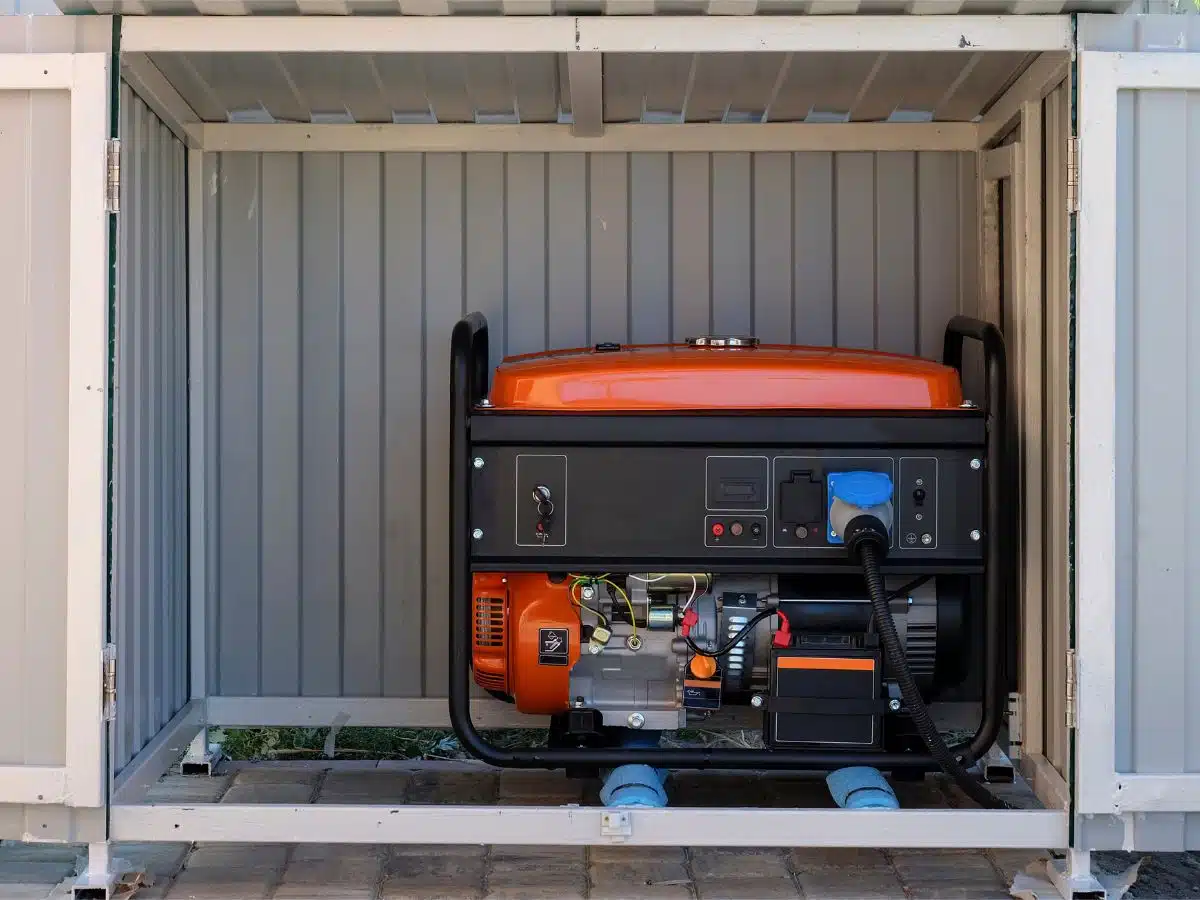
Store the generator in a dry, cool place. Cover it to protect from dust and rain. Avoid places with extreme heat or cold. Use it properly—don’t overload or run it too long without breaks.
| Component | Upgrade Benefit |
|---|---|
| Battery | Improves starting power and reliability |
| Fuel System | Prevents clogs and keeps fuel fresh |
| Control Panel | Provides better monitoring and control |
When To Replace Your Standby Generator
Deciding to replace a standby generator often depends on cost versus repair. When repair costs near or exceed 50% of a new unit’s price, replacement becomes wise. Older generators may need frequent repairs, which add up quickly.
Technological advancements improve generator efficiency and reliability. New models use less fuel and start faster. Features like remote monitoring and quieter engines are common. Upgrading can save money and provide peace of mind.
Safety considerations are key. Aging generators might have worn partsthat increase fire or carbon monoxide risks. Newer models meet stricter safety standards and have better protection systems.
| Factor | Considerations |
|---|---|
| Cost vs. Repair | Repair costs near replacement price; frequent breakdowns |
| Technological Advancements | Better fuel efficiency; new safety features; remote monitoring |
| Safety Considerations | Worn parts risk fire or carbon monoxide; updated safety standards |
Credit: flpowersolutions.com
Frequently Asked Questions
How Long Does A Standby Generator Typically Last?
A standby generator usually lasts 20 to 30 years with proper maintenance. Regular servicing and timely parts replacement extend its lifespan. Usage frequency and fuel type also influence durability.
What Factors Affect Standby Generator Lifespan?
Key factors include maintenance quality, usage frequency, fuel type, and environmental conditions. Proper storage and timely repairs also help prolong the generator’s life significantly.
How Often Should Standby Generators Be Serviced?
Standby generators should be serviced at least once a year. Regular checks ensure optimal performance and prevent costly breakdowns. Follow manufacturer guidelines for specific maintenance schedules.
Can Fuel Type Impact Generator Longevity?
Yes, fuel type greatly impacts generator lifespan. Natural gas and propane tend to burn cleaner, reducing wear. Diesel generators might last longer but need more maintenance.
Conclusion
A standby generator can serve you for many years. Regular maintenance is key. Keep an eye on parts and oil changes. Weather conditions also matter. A well-cared generator may last 10 to 20 years. Check with experts for specific advice.
They can help extend its life. Investing time in upkeep pays off. You’ll enjoy peace of mind and reliable power. Always be prepared for unexpected outages. Your generator’s lifespan depends on your care. Make it last with simple steps.