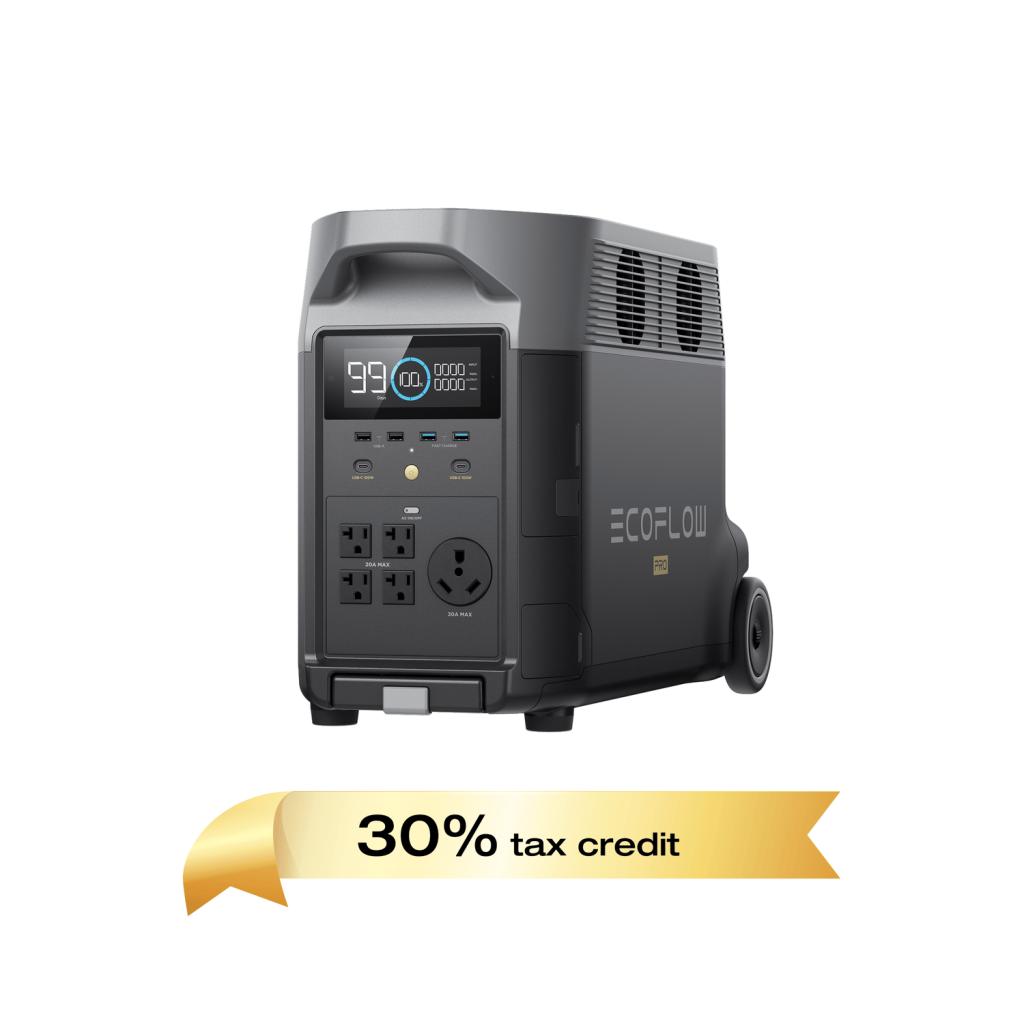
Are you tired of unexpected power outages disrupting your daily life? Imagine never worrying about losing power again.
Investing in a home backup power system can be your solution. But, naturally, you might be wondering: how much does a home backup power system cost? Understanding the cost is crucial, as it helps you plan your budget and make informed decisions.
In this guide, we’ll break down the expenses involved, from initial purchase to installation and maintenance. By the end, you’ll have a clear picture of what to expect, empowering you to take control of your home’s power needs. Keep reading to discover how affordable peace of mind can truly be.
Types Of Home Backup Power Systems
Exploring different home backup power systems reveals varied costs. Generators are affordable, ranging from $500 to $3,000. Solar panels and battery systems, though pricier, offer long-term savings, costing between $5,000 and $30,000.
Portable Generators
Portable generators are handy and can be moved easily. They run on gasoline or diesel. They are perfect for short power outages. These generators are usually less expensive. Maintenance is needed often to keep them running well.
Standby Generators
Standby generators are always ready. They turn on automatically during power cuts. They use natural gas or propane. Installation costs can be high. They need regular checks to work properly.
Solar Power Systems
Solar power systems use the sun to create energy. They are eco-friendly and save money over time. Initial setup costs can be steep. They work best in sunny areas. Batteries store extra power for cloudy days.
Battery Storage Systems
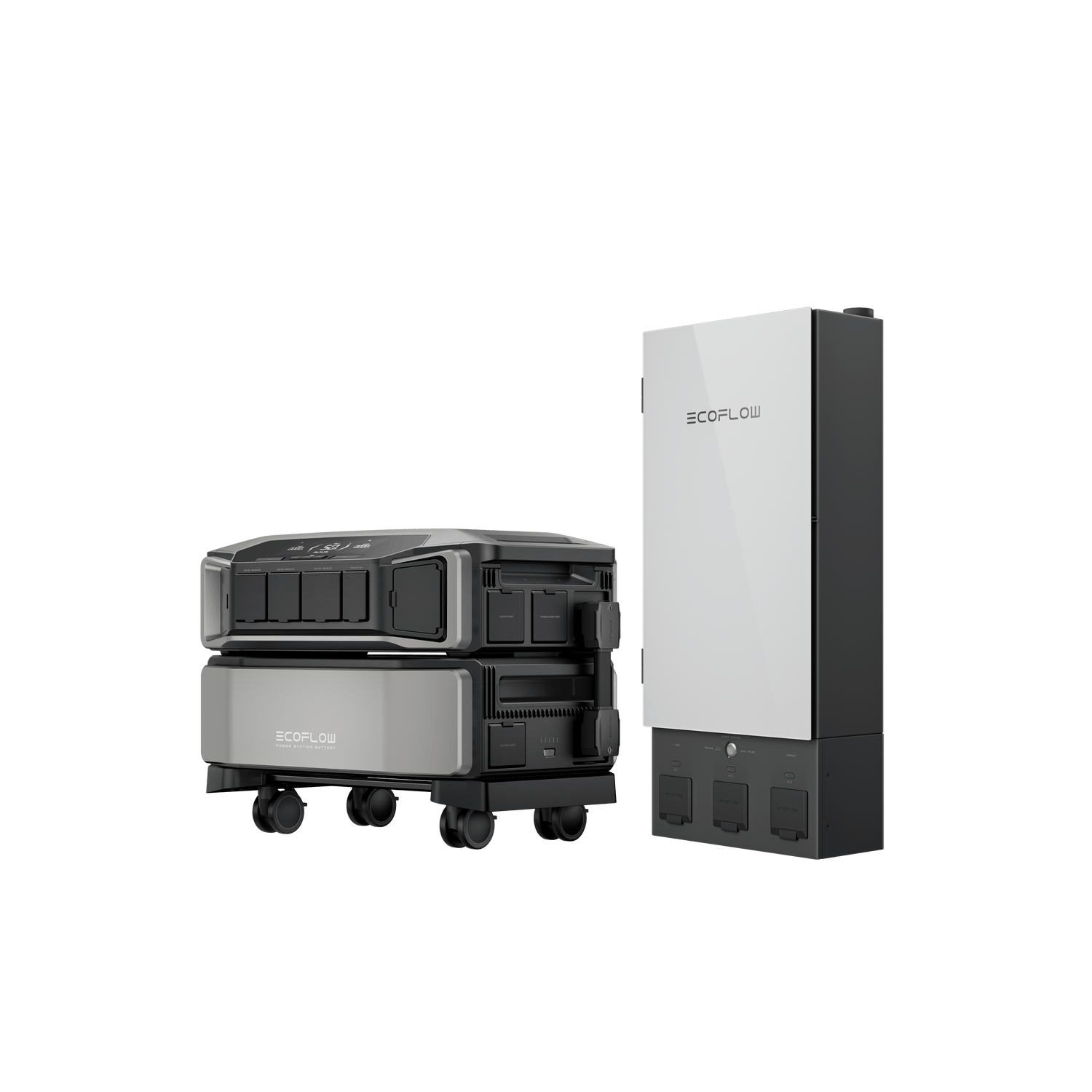
Battery storage systems keep energy for later use. They work well with solar panels. They provide power even at night. Costs depend on battery size and type. They require less maintenance compared to other systems.

Credit: us.ecoflow.com
Factors Affecting Costs
Various factors influence the cost of a home backup power system. Size, installation complexity, and power capacity play significant roles. Additional features and brand reputation can also affect pricing.
System Capacity
System capacity impacts the cost of a backup power system. Larger systems need more materials and labor. This raises their price. Small systems might be cheaper but may not power everything.
Installation Requirements
Installation needs affect cost. Complex setups require more work and money. Simple installations are quicker and cheaper. Custom installations may cost more due to extra planning.
Fuel Type And Availability
Fuel type changes the cost. Solar panels can be expensive to install. Diesel or gas generators need regular refueling. Availability of fuel can also affect ongoing costs.
Maintenance And Upkeep
Maintenance is needed for system longevity. Regular check-ups prevent breakdowns. Some systems need frequent maintenance. Others might need less care, affecting overall costs.
Average Price Ranges
Low-cost power systems usually range from $500 to $1,500. These systems are often small generators. They can power basic home appliances. Good for short power outages. Not suitable for larger homes.
Mid-range systems cost between $1,500 and $5,000. They can power more appliances. Suitable for medium-sized homes. Better backup for longer outages. Often includes installation fees.
High-end systems can cost $5,000 to $10,000 or more. These systems power entire homes. Great for frequent power outages. They offer longer run times. Includes advanced features like automatic start.

Credit: us.ecoflow.com
Additional Costs To Consider
Installation fees and maintenance expenses can add up when setting up a home backup power system. Don’t forget about fuel costs for generators, which vary based on usage.
Permits And Regulations
Local rules might need special permitsfor your power system. These permits can cost extra money. Ask the local government for details. They will tell you if you need permits. It is important to follow all regulations. This keeps your home safe and legal.
Professional Installation
Installing a power system is not easy. Hiring a professionalinstaller is often best. Professionals know how to do the job right. They keep your home safe. Their services add to the total cost. But it ensures everything works well.
Warranty And Service Plans
Warrantiesare like promises from the maker. They fix things if they break. Some systems come with a warranty. Others might need extra service plans. These plans help with repairs and maintenance. It is smart to check what plans are available.
Cost-saving Tips
Understanding the costs of a home backup power system is essential for effective budgeting. Consider factors like system size, installation fees, and maintenance. Investing in a reliable system can safeguard against power outages without straining your finances.
Energy Efficiency Measures
Use energy-saving bulbs. They use less electricity. Turn off lights when leaving rooms. Unplug devices not in use. These steps save energy and money. Insulate your home to keep heat in. This reduces heating costs. Plant trees for shade. This keeps your home cooler in summer.
Government Incentives
Check for government rebates. They lower the cost of power systems. Some states offer tax credits. These credits reduce installation expenses. Visit official websites for more details. You might save a lot of money.
Diy Installation Possibilities
Install a system yourself. This reduces labor costs. Read guides and watch videos. Learn the steps carefully. Have the right tools ready. Ensure safety while working. Ask a friend for help. Two people work faster than one. Doing it yourself can be fun.
Credit: us.ecoflow.com
Comparing Costs And Benefits
Understanding the costs of a home backup power system can help weigh its benefits. Prices vary depending on size, type, and installation. Investing in a reliable system ensures energy security during outages.
Long-term Savings
Home backup power systems can save money over time. Initial costs might be high, but energy savings can be significant. Many systems use renewable energy, reducing monthly bills. This investment can pay off in the long run. Less reliance on the grid means fewer surprises in electricity bills.
Reliability And Convenience
Backup power systems offer reliability during outages. They keep lights and appliances running smoothly. No more worries about spoiled food or cold nights. These systems provide peace of mind during storms. Enjoy uninterrupted family time, even when the power goes out.
Environmental Impact
Many backup power systems are environmentally friendly. Solar panels and wind turbines reduce carbon footprints. They use clean energy sources, helping the planet. Choosing a green system supports sustainable living. It’s a way to help future generations.
Frequently Asked Questions
How Much Does It Cost To Install A Whole Home Battery Backup System?
Installing a whole home battery backup system typically costs between $10,000 and $20,000. Prices vary based on capacity, brand, and installation complexity. Always consult a professional for accurate estimates tailored to your specific needs and local regulations.
What Is The Best Backup Power Source For A Home?
A standby generator is the best backup power source for homes. It automatically provides electricity during outages. Consider solar-powered battery systems as eco-friendly alternatives. Both options ensure continuous power supply and protect against disruptions. Choose based on budget, space, and energy needs.
How Much Does A Generac Backup Power System Cost?
A Generac backup power system typically costs between $2,000 to $5,000, excluding installation fees. Prices vary based on size and features. Installation costs range from $1,000 to $5,000. Contact a local dealer for a detailed quote tailored to your home’s needs.
How Long Will A Whole House Battery Backup Last?
A whole house battery backup typically lasts 8 to 12 hours, depending on usage and capacity. Factors like appliance power demand and battery size affect duration. Regular maintenance can enhance performance, ensuring reliable power during outages. Choose a battery system that matches your home’s energy needs for optimal backup time.
Conclusion
Choosing a home backup power system depends on budget and needs. Costs vary with size, type, and installation. Portable generators are cheaper but less powerful. Standby generators provide more power, yet cost more. Solar systems offer long-term savings but need initial investment.
Consider maintenance and fuel costs too. Research and compare options before buying. Plan for emergencies to ensure peace of mind. A reliable power system keeps your home safe and comfortable during outages. Make a smart decision and protect your family.
Being prepared is always worth the effort and expense.