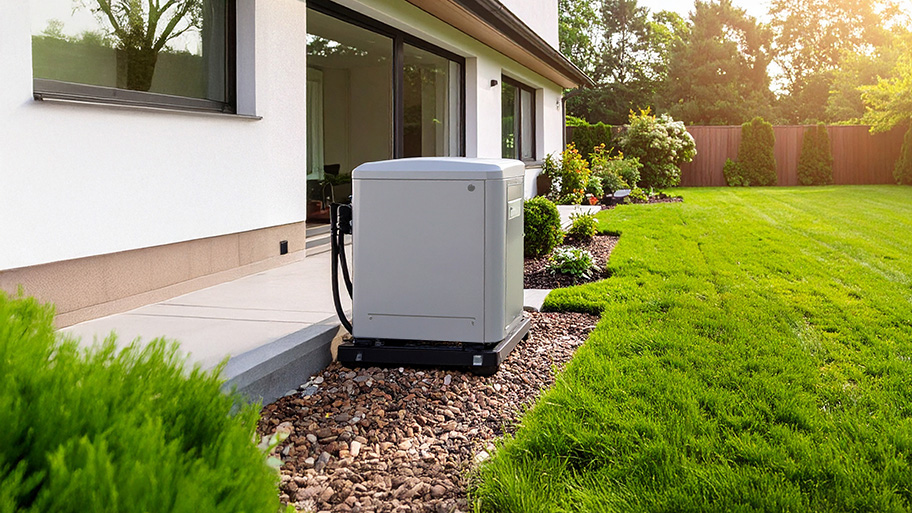
When the power goes out, having a reliable home standby generator can be a lifesaver. But before you invest, you probably want to know one key thing: how much does a home standby generator cost?
Understanding the price can help you decide if it fits your budget and needs. You’ll discover the real costs involved—from the generator itself to installation and maintenance. By the end, you’ll have a clear picture to make the smartest choice for your home and peace of mind.
Keep reading to find out exactly what to expect.

Credit: www.homedepot.com
Home Standby Generator Types
Portable generatorsare smaller and cheaper. They can be moved easily. These work well for short outages or outdoor use. Standby generatorsare bigger and cost more. They turn on automatically during power loss. They power the whole house.
Fuel type affects cost and operation:
- Gasoline:Easy to find but stores poorly.
- Propane:Lasts long and burns clean.
- Natural gas:Cheapest to run if connected.
- Diesel:Powerful but noisy and expensive.
| Power Capacity | Use | Typical Cost Range |
|---|---|---|
| 5 kW – 7 kW | Basic home needs, small appliances | $2,000 – $5,000 |
| 8 kW – 12 kW | Most homes, several appliances | $5,000 – $10,000 |
| 13 kW and above | Large homes or whole-house backup | $10,000 – $20,000+ |
Price Factors To Consider
The sizeof the generator affects the price a lot. Bigger generators with higher power outputcost more. Small homes need less power, so smaller units are cheaper.
Installation expensesinclude labor, permits, and electrical work. Complex installations raise the total cost. Simple setups are easier on the wallet.
Extra parts like transfer switches, fuel tanks, and wiring add to the price. These are necessary for safe and efficient operation.
Cost Breakdown By Generator Size
Small generators under 10kW usually cost between $500 and $3,000. They work well for basic home needs like lights and small appliances. Installation costs can add $500 to $2,000, depending on the setup.
Mid-range generators from 10 to 20kW cost about $3,000 to $7,000. These cover more of your home, including heating and larger appliances. Installation might range from $1,000 to $3,000. They offer a good balance of power and price.
Large generators above 20kW are priced from $7,000 to $15,000 or more. They can power most or all of a large home. Installation can be $3,000 to $5,000, depending on complexity and permits.
| Generator Size | Price Range | Installation Cost | Power Coverage |
|---|---|---|---|
| Small (Under 10kW) | $500 – $3,000 | $500 – $2,000 | Basic lights and appliances |
| Mid-Range (10-20kW) | $3,000 – $7,000 | $1,000 – $3,000 | Most home needs |
| Large (Above 20kW) | $7,000 – $15,000+ | $3,000 – $5,000 | Whole house or large homes |

Credit: www.homestars.com
Installation Cost Components
Site preparationincludes clearing the area for the generator. It often requires a concrete pad or gravel base. Permitsare needed to meet local rules. Permit costs vary by location and complexity.
Electrical workinvolves connecting the generator to your home’s wiring. Installing a transfer switchis essential to switch power safely. This switch isolates the generator from the main grid.
Labor feescover the work of electricians and technicians. Inspection feesensure the installation meets safety codes. Both fees depend on the project’s size and location.
Maintenance And Operating Expenses
Routine maintenanceusually costs between $100 and $300 yearly. This covers oil changes, filter replacements, and inspections. Regular upkeep keeps the generator running smoothly and extends its life.
Fuel consumptiondepends on the generator size and usage. Smaller models use less fuel but run shorter hours. Larger units consume more fuel but provide longer backup power. Efficiency varies by fuel type—natural gas tends to be cheaper than propane or diesel.
Repair costs depend on the issue. Minor fixes may cost under $200. Major repairs can run over $1,000. Many generators come with warranties that cover parts and labor for a few years, lowering repair expenses.
Ways To Save On Generator Costs
Buying a generator during off-season months often means lower prices. Demand is less, so sellers may offer discounts. This can save hundreds of dollars.
Choosing the right size is key. A generator too big wastes money. Too small won’t power your home properly. Calculate your needs carefully before buying.
Exploring financing options helps spread the cost over time. Many dealers offer payment plans or loans with low interest. This makes large purchases easier to manage.
Comparing Brands And Warranties
Top generator brandsinclude Generac, Briggs & Stratton, and Kohler. These brands are known for reliable performanceand long-lasting units. Prices vary based on brand reputation and product features.
Warranty coverageis important. Most brands offer a 5 to 10-year warrantyon parts and labor. Some warranties cover the engine separately. Always check warranty terms carefully to avoid surprises.
Good customer supportmeans faster help when needed. Brands with 24/7 supportand easy access to service centers are preferred. This can save time and money during outages or repairs.
Estimating Total Investment
The initial purchase priceof a home standby generator varies widely. Prices depend on the power capacityand brand. Smaller units start around $2,000, while larger models can cost up to $10,000or more.
Installation costsare separate and often range from $1,500 to $5,000. This includes wiring, permits, and labor. The total upfront investment combines both purchase and installation.
| Cost Item | Typical Price Range |
|---|---|
| Generator Unit | $2,000 – $10,000+ |
| Installation | $1,500 – $5,000 |
| Total Initial Cost | $3,500 – $15,000+ |
Running the generator uses fuel, which adds to the long-term costs. Fuel prices vary but usually cost about $3 to $5 per hour. Regular maintenanceis needed too, such as oil changes and inspections.
- Fuel expensesdepend on usage frequency.
- Maintenancecan cost around $100 to $300 annually.
- Repairsmight be needed after several years.
Considering the return on investment, a generator can protect your homefrom power outages. It may also increase property value. The savings from avoiding spoiled food and damage during outages add up.
The decision depends on how often power fails and your need for backup power.

Credit: aquariushomeservices.com
Frequently Asked Questions
How Much Does A Home Standby Generator Cost?
A home standby generator typically costs between $2,000 and $15,000. The price varies based on size, brand, and installation complexity. Larger generators with higher power output cost more. Installation fees and permits also affect the total price.
What Factors Influence Home Generator Prices?
Generator size, fuel type, brand, and installation requirements mainly influence prices. Larger units cost more due to higher capacity. Natural gas generators may have different costs than propane or diesel models. Installation complexity can raise the overall expense.
Are Installation Costs Included In Generator Price?
No, installation costs are usually separate from the generator price. Professional installation may cost $500 to $3,000 depending on electrical work and permits. Always ask for a detailed quote covering both equipment and installation.
Can I Save Money On Generator Purchase?
Yes, you can save by comparing brands and sizes. Look for energy-efficient models and seasonal discounts. Some utility companies offer rebates for standby generators. Proper sizing avoids overpaying for unnecessary capacity.
Conclusion
Choosing the right home standby generator is crucial. Costs depend on size, brand, and installation. Smaller units cost less. But larger units offer more power. Installation charges can vary widely. Always consider your power needs first. Compare prices and features before buying.
Quality matters for long-term reliability. Investing in a generator brings peace of mind. You stay prepared for unexpected outages. A well-chosen generator keeps your home running. Make sure to budget for maintenance too. It ensures your generator works when needed.
Carefully evaluate options to find the best fit for your home.