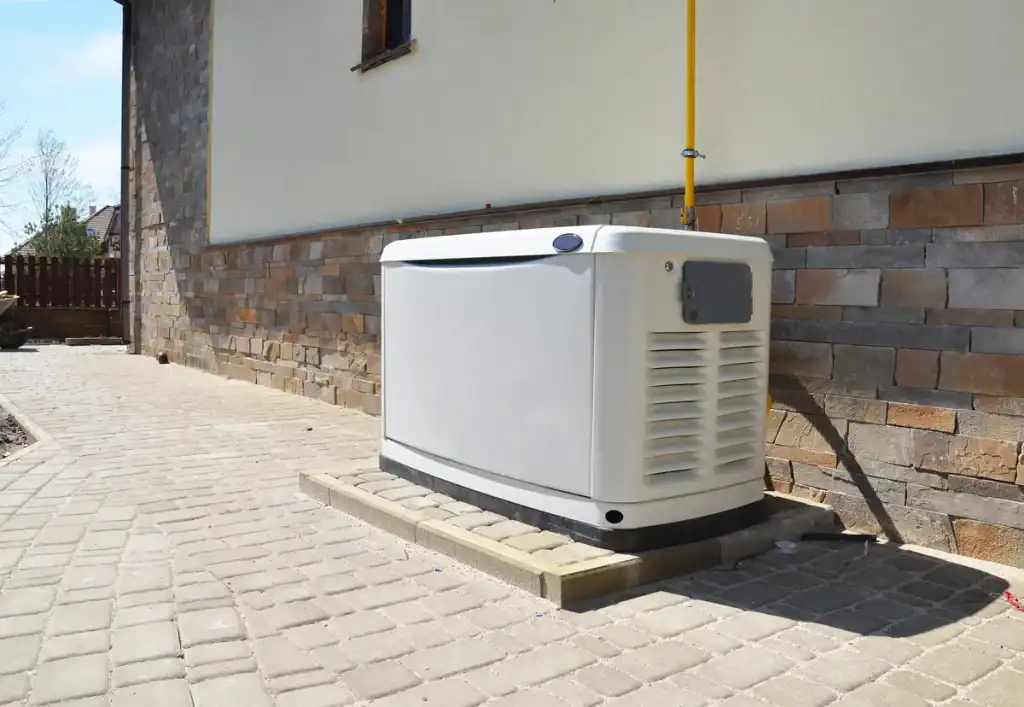
Imagine the peace of mind knowing your home can stay powered during a blackout. Standby generators are the go-to solution for this assurance.
But before you invest, it’s crucial to understand the costs involved. You want to know if it’s worth the expense, right? Let’s dive into how much a standby generator might cost you, breaking it down step by step. By the end, you’ll have a clear picture that empowers you to make a smart decision.
Stick around to discover what factors influence the price and how to choose the right generator for your needs. Your home’s safety and comfort are just a read away.

Credit: www.amazon.com
Factors Influencing Generator Costs
The size of a generator affects its cost. Bigger generators cost more. Capacity is how much power a generator can give. More capacity means a higher price. Small homes need smaller generators. Large homes may need bigger ones.
Generators run on different fuels. Diesel generators are strong but cost more. Natural gas is cheaper and cleaner. Propane generators are flexible. Fuel choice affects the overall price. Think about fuel availability in your area.
Popular brands usually cost more. They often have better warranties and support. High-quality generators last longer. They need less maintenance. Investing in a good brand can save money later.
Installing a generator needs special skills. Professional installation can be costly. Installation depends on the generator size and home setup. Some areas need permits. These can add to costs. Plan for installation expenses.
Price Range Overview
Low-end standby generators cost between $500and $2,000. These are smaller and have less power. They are good for small homes or RVs. They might not run all your appliances. These generators are usually portable. They are easy to move and store. They work well for short power outages.
Mid-range generators range from $2,000to $5,000. They offer more power than low-end models. These can run most home appliances. They are a good choice for medium-sized homes. They are usually more reliable and durable. Some come with extra features like remote monitoring.
High-end models start at $5,000and go up to $10,000or more. These generators can power large homes or small businesses. They are very reliable and have advanced features. Features include automatic start and noise reduction. These models are often permanently installed. They require professional installation.
Additional Costs To Consider
Installation and maintenance can add to standby generator costs. Fuel expenses and potential upgrades may also affect your budget.
Installation Expenses
Setting up a standby generator needs expert help. Professional installation ensures safety and efficiency. Costs can vary based on location and complexity. Electrical connections and permits add to the expense. Hiring skilled workers is essential. This guarantees everything works smoothly.
Maintenance And Repairs
Generators require regular checks to keep working well. Routine maintenance prevents breakdowns. This involves oil changes and filter replacements. Repair costs can arise unexpectedly. It’s wise to have a budget for this. Ensuring a generator’s health saves money long-term.
Operational Costs
Running a generator consumes fuel. This adds to overall costs. Electricity usage impacts expenses too. Monitoring fuel levels is important. Efficient use reduces costs. Planning ahead can save money. Knowing these expenses helps in managing finances.
Cost-saving Tips
Exploring standby generator costs can help save money. Consider energy needs and generator size for better budgeting. Comparing brands and installation fees might reveal affordable options.
Choosing The Right Size
Selecting the correct generator size is crucial. A generator too large uses more fuel. A generator too small might not power everything. List all essential devices. Calculate their total power needs. This helps in picking the best size. Avoid overbuying to save money.
Efficiency Considerations
Efficient generators consume less fuel. This reduces overall expenses. Check for energy-efficient models. Look for features like automatic shutdown. This prevents waste of energy. An efficient generator works smarter, not harder. It saves money on fuel bills.
Long-term Savings
Investing in a quality generator saves money over time. A durable generator lasts longer. It requires fewer repairs. Regular maintenance extends its lifespan. This keeps it running smoothly. A well-maintained generator is reliable. It avoids costly breakdowns. Save money by avoiding frequent replacements.
Comparing Brands And Models
There are many brands for standby generators. Some popular ones are Generac, Kohler, and Briggs & Stratton. Generac offers reliable and affordable options. Kohler is known for its durability. Briggs & Stratton provides good value and performance.
Standby generators have important features. Automatic transfer switch is key. It switches power during an outage. Remote monitoring is handy. It helps check the generator’s status from a phone. Quiet operation is a plus. Noisy generators can disturb people.
Users often share their experiences online. Generac users like its easy setup. Kohler users praise its long-lasting performance. Briggs & Stratton users appreciate its cost-effectiveness. Reading reviews helps in choosing the right model.

Credit: www.homedepot.com
Financing Options
Exploring financing options can ease the cost burden of a standby generator. These systems can range from $2,000 to $20,000. Payment plans and loans provide ways to manage these expenses effectively.
Payment Plans
Many stores offer payment plansfor standby generators. These plans help spread the cost over time. This makes buying a generator easier for families. Monthly payments are usually fixed and predictable. Some plans might offer interest-free periodsfor early payments.
Loans And Credit
Banks and credit unions provide loans for generator purchases. Loans can be personal or secured against property. Using a credit cardis another option, but watch for high interest rates. It’s smart to compare different loan offers. This ensures you get the best deal for your needs.
Government Incentives
Governments often give incentives for energy-efficient generators. Check local programs for rebates and tax credits. These incentives can lower the total cost. This makes owning a standby generator more affordable. Always keep updated with new government offers.

Credit: www.electricgeneratorsdirect.com
Frequently Asked Questions
How Much Does A Standby Generator Cost Installed?
The cost to install a standby generator ranges from $5,000 to $15,000. Factors like generator size, installation complexity, and location impact pricing. Professional installation ensures safety and efficiency. Get multiple quotes to find the best deal. Always choose a reputable installer for reliable service.
Is It Worth Buying A Standby Generator?
Buying a standby generator is worthwhile for reliable power during outages. It ensures comfort, safety, and uninterrupted productivity.
How Much Is A Generator For A 2000 Sq Ft House?
A generator for a 2000 sq ft house typically costs between $3,000 to $10,000. Prices vary based on brand, power capacity, and features. Installation costs may add another $500 to $2,000. It’s advisable to consult professionals for precise estimates tailored to your specific needs and location.
What Are The Disadvantages Of A Standby Generator?
Standby generators can be costly to purchase and install. They require regular maintenance and consume fuel. Noise levels can be high, disturbing the environment. Limited portability restricts usage to one location. Potential for emissions impacts air quality, requiring compliance with regulations.
Conclusion
Choosing the right standby generator involves careful consideration. Costs vary based on size and features. Installation fees add to the total expense. Research different brands and models. Compare prices and warranties. Consider your power needs and budget. Professional installation ensures safety and efficiency.
A standby generator provides peace of mind during power outages. Investing wisely today can save stress later. Make sure to plan your purchase carefully. Your home’s reliability depends on it.