
Have you ever wondered how much a standby generator might set you back? Imagine this: a sudden power outage strikes, and everything you rely on—lights, appliances, even your phone charger—goes dark.
In moments like these, a standby generator can be your unsung hero, seamlessly keeping your life on track. But before you dive into this investment, you probably want to know the bottom line. How much will it cost you to install one of these reliable power sources?
We’re breaking down the costs, sparking insights that could save you time, money, and stress. Get ready to discover not just numbers, but the real value of peace of mind when the lights go out. Stick around, and you’ll be empowered to make an informed decision that suits your needs and budget.
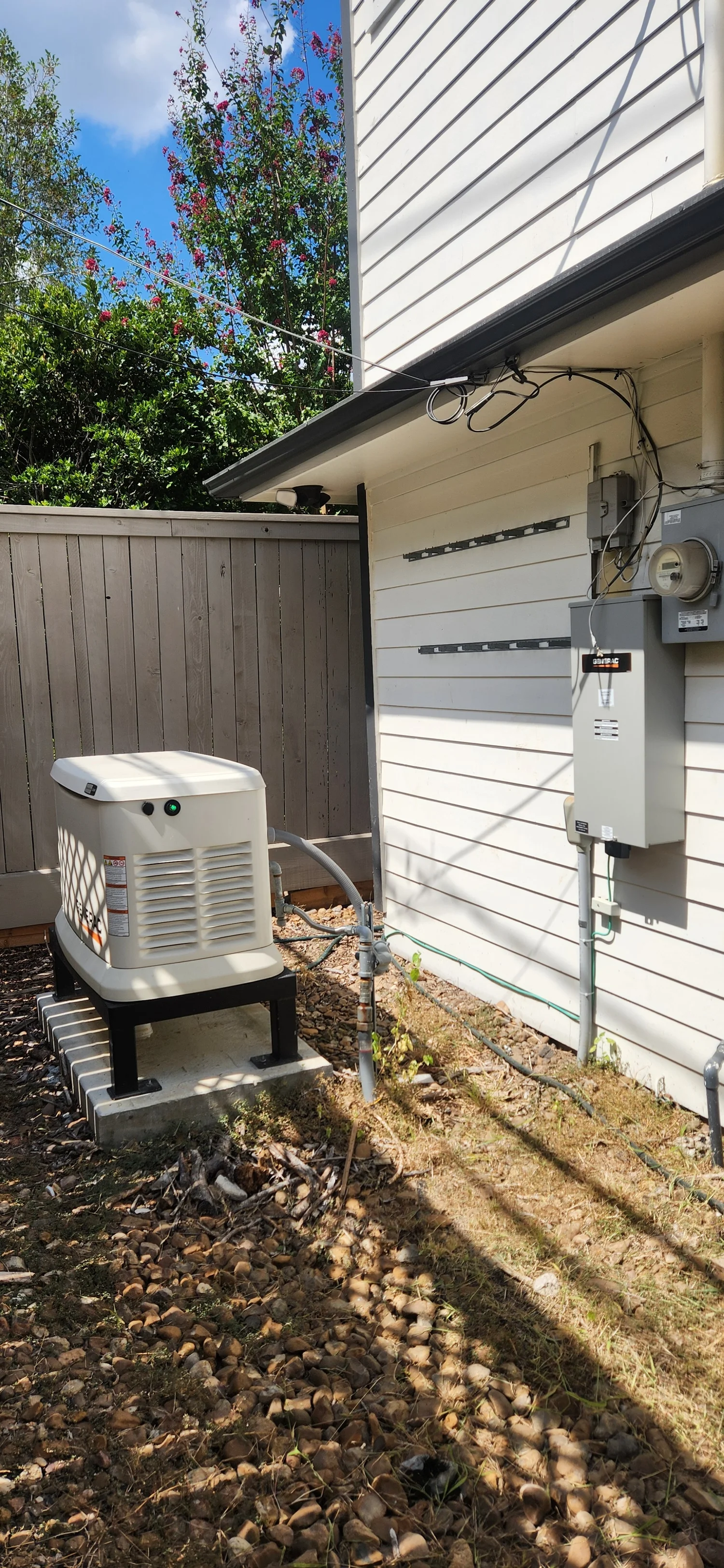
Credit: www.arielicustomhomes.com
Factors Affecting Installation Costs
The size and capacityof a generator affect its price. Bigger generators cost more to buy and install. They need more space and stronger parts.
Generators run on different fuel types. Common fuels include natural gas, propane, and diesel. Each fuel type changes the price and how you use the generator.
Installation complexitycan raise costs. Difficult wiring, special mounts, or extra work means higher prices. Simple setups cost less.
Many areas need permits and inspections. These rules add to the cost and time. Checking local laws helps avoid surprises.
Location and accessibilityalso matter. Hard-to-reach spots or uneven ground make installation harder. Easy access saves money and time.

Credit: www.angi.com
Typical Price Ranges
Small residential generatorsusually cost between $2,000 and $5,000. This price includes the generator and basic installation. These units can power essential home appliances during outages.
Medium-sized systemsrange from $5,000 to $10,000. They support more power needs, like larger homes or small businesses. Installation might be more complex and take longer.
Large commercial unitscan cost $10,000 to $30,000 or more. These are for big buildings or industrial use. The installation is detailed and requires professional work.
Additional Expenses To Consider
Transfer switchesare essential for safe power transfer. Their cost ranges from $300 to $1,200, depending on the type and size. Automatic switches cost more but offer convenience.
Electrical upgradesmay be needed to support the new generator. This can include panel upgrades or new wiring. These upgrades typically add $500 to $2,000to the project.
Routine maintenanceis important to keep the generator working well. Annual service fees usually run between $100 and $300. This covers oil changes, filter replacement, and system checks.
Warranty and service plansoffer peace of mind. Extended warranties or service plans cost extra but protect against future repair expenses. Prices vary but expect around $200 to $600yearly.

Credit: www.homestars.com
Diy Vs Professional Installation
Safety is a top concernwhen installing a standby generator. Professional installers follow strict rules to avoid accidents. DIY installation can be riskybecause it involves electrical wiring and fuel connections. Mistakes may cause fires or electric shocks.
Technical challenges include connecting the generator to your home’s power system. Professionals have the tools and knowledgeto handle complex tasks. DIY projects might require special permits and inspections that can be confusing.
| Installation Type | Average Cost | Key Points |
|---|---|---|
| DIY Installation | $500 – $1,500 | Lower cost, but high risk and possible code violations |
| Professional Installation | $2,000 – $5,000 | Higher cost, safer, meets codes, and includes warranty |
Saving Tips And Financing Options
Government incentivescan lower the cost of installing a standby generator. Many states and local areas offer tax creditsor rebates to encourage energy safety. These programs help reduce upfront expenses and make installation more affordable.
Energy efficiency rebatesare often available for generators that meet certain environmental standards. These rebates reward users for choosing fuel-efficientor low-emission models. Check with utility companies or government websites to find available offers.
- Payment plansfrom dealers or manufacturers spread the cost over time.
- Loanswith low interest rates are offered by banks or credit unions.
- These financing options make it easier to afford a generator without large upfront payment.
Common Installation Mistakes
Common installation mistakes include poor placement and ignoring local codes. Skipping professional help can lead to higher costs and safety risks. Proper planning saves money and ensures the generator works efficiently.
Improper Sizing
Choosing the wrong sizegenerator can cause many problems. A generator too small won’t power all devices. Too large wastes money and fuel. Proper sizing matches your home’s energy needsexactly.
Ignoring Local Codes
Not following local rules can lead to fines or unsafe setups. Codes ensure safe and legalinstallation. Always check with local authoritiesbefore installation.
Poor Placement
Placing a generator in the wrong spot can cause noise, fumes, and damage. It should be far from windows and doors. Avoid areas with poor drainage or near flammable materials.
Frequently Asked Questions
How Much Does A Standby Generator Installation Cost?
The cost to install a standby generator ranges from $3,000 to $10,000. Prices vary based on generator size, brand, and installation complexity. Additional costs may include permits and electrical upgrades. On average, a typical home installation costs around $5,000 to $7,000.
What Factors Affect Standby Generator Installation Price?
Installation price depends on generator capacity, labor rates, and site conditions. Larger generators require more work and materials. Electrical system upgrades and permits also increase costs. Location and accessibility impact labor time, influencing the final installation price.
Is Professional Installation Necessary For Standby Generators?
Yes, professional installation is crucial for safety and functionality. Certified electricians ensure proper wiring and compliance with local codes. Incorrect installation risks damage, voids warranties, and may cause hazards. Hiring experts guarantees a reliable and safe standby power system.
How Long Does Standby Generator Installation Take?
Installation usually takes 1 to 3 days depending on complexity. Simple setups with existing electrical connections finish faster. Complex installations or upgrades may require additional time. Scheduling inspections or permits can also affect the timeline.
Conclusion
Standby generator installation costs vary by size and features. Expect to pay for the generator, parts, and labor. Remember to consider permits and maintenance expenses too. A reliable generator ensures power during outages. Planning your budget carefully helps avoid surprises later.
Choose a model that fits your home and needs. Investing in standby power brings peace of mind. Take time to compare prices and services. Ready for power backup? It’s worth the cost.