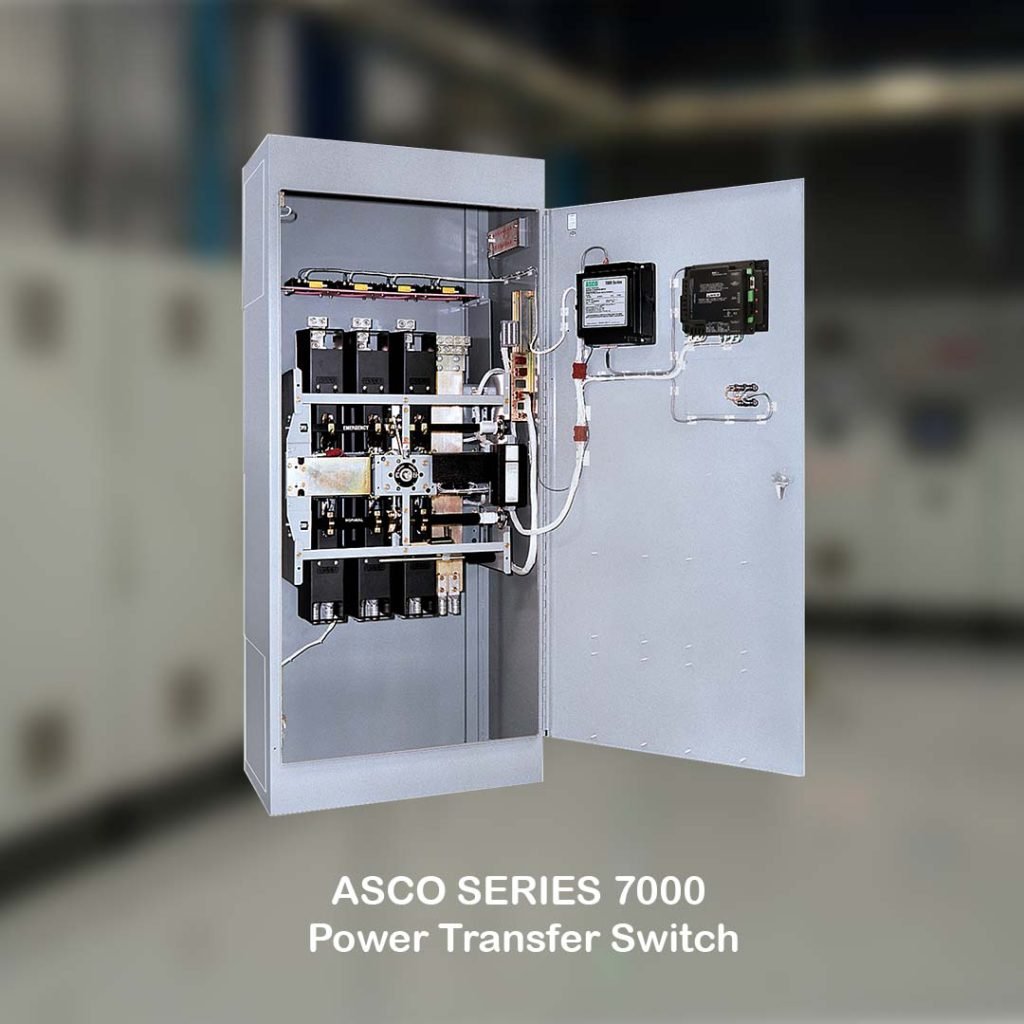
Are you considering a transfer switch for your home or business and wondering about the cost? You’re not alone.
Many homeowners and business owners like you are looking to invest in a reliable backup power solution but are unsure about the expenses involved. A transfer switch is an essential component that ensures your generator can seamlessly power your home during outages without manual intervention.
But how much should you expect to pay for this crucial piece of equipment? We’ll break down the costs associated with transfer switches, helping you make an informed decision that fits your budget. Stick around, and you’ll discover not only the price tags but also the factors that influence them, so you can confidently move forward with your purchase.
Transfer Switch Basics
A transfer switchis a device that safely connects a power source to your home or building. It lets you switch between utility power and a backup generator.
This switch prevents power from both sourcesflowing at the same time, which keeps people and equipment safe.
| Type of Transfer Switch | Description | Common Use |
|---|---|---|
| Manual Transfer Switch | Requires you to flip a switch by hand to change power sources. | Small homes or simple setups |
| Automatic Transfer Switch (ATS) | Switches power sources automatically during an outage. | Large homes, businesses, or critical systems |

Credit: us.ecoflow.com
Factors Affecting Transfer Switch Prices
The capacity and sizeof a transfer switch greatly affect its price. Larger switches that handle more power cost more. Smaller switches are usually cheaper and fit smaller systems.
Manual switchestend to be less expensive than automatic switches. Automatic switches offer more convenience by switching power sources without help. This extra feature raises the price.
The brand and qualitymatter a lot. Well-known brands often charge more but provide better reliability. Cheaper brands might save money but can lack durability.
Additional featureslike remote control, surge protection, or easy installation also add to the cost. These extras make the switch more useful but increase price.
Price Range Breakdown
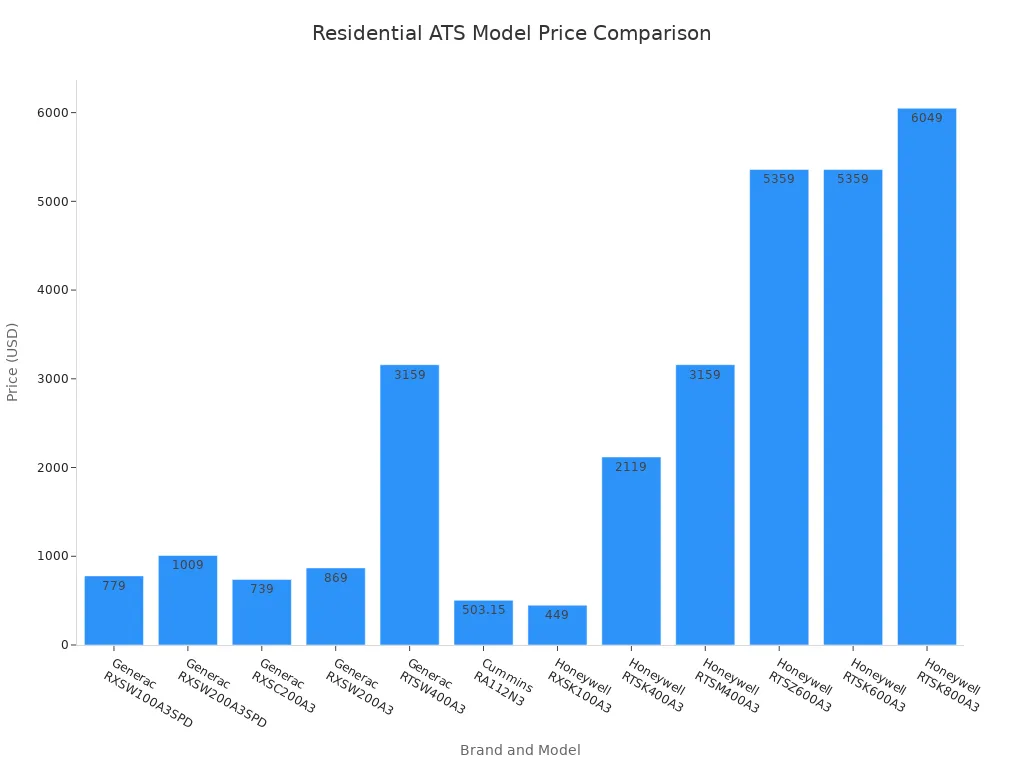
Budget optionsusually cost between $200 and $500. These switches are good for small homes or simple needs. They offer basic safety and easy installation. Mid-range choicesfall between $500 and $1,200. These models have more power and extra features. They work well for bigger homes or small businesses. High-end modelscan cost over $1,200. These switches support larger power loads and have advanced controls. They are best for big buildings or places with special power needs.
| Price Range | Features | Best For |
|---|---|---|
| $200 – $500 | Basic functions, easy to install | Small homes, simple power needs |
| $500 – $1,200 | More power, extra features | Bigger homes, small businesses |
| $1,200 and up | High power, advanced controls | Large buildings, special power needs |
Installation Costs
DIY installationcan save money but needs skill and tools. Mistakes may cause safety risks. Professional installationensures safety and meets local codes. It costs more but offers peace of mind.
| Service | Typical Cost |
|---|---|
| Electrician Labor | $50 – $100 per hour |
| Installation Time | 2 – 4 hours |
| Total Labor Cost | $100 – $400 |
Permit fees vary by location. They usually range from $50 to $200. Inspections ensure work is safe and legal. Both are often required for professional installation.
Where To Buy Transfer Switches
Transfer switches can be purchased at home improvement stores, electrical supply shops, or online retailers. Prices vary depending on size and features, typically ranging from $200 to $1,000. Choosing the right place depends on your budget and specific needs.
Online Retailers
Online stores offer a wide range of transfer switches. Prices can vary from store to store. You can read reviews and compare products easily. Delivery is usually fast and convenient.
Local Electrical Suppliers
Local suppliers often have expert advice. You can see the product before buying. They may offer installation tips. Prices might be higher than online but you get personal help.
Specialty Stores
Specialty stores focus on electrical equipment. They carry high-quality transfer switches. Staff are usually knowledgeable and can answer questions. You might find unique brands not sold elsewhere.
Credit: www.bluettipower.com
Ways To Save Money
Seasonal discounts can lower the cost of a transfer switch. Many stores offer sales during holidaysor specific seasons. Planning your purchase around these times can save money.
- Buy in bulk to get better prices.
- Bulk purchase deals often come with extra savings.
- Consider teaming up with friends or neighbors for bulk orders.
Energy efficiency incentives may help reduce costs. Some regions offer rebates or tax creditsfor installing efficient transfer switches. Check local programs before buying.
Common Additional Expenses
Maintenance and repairsare key costs after installing a transfer switch. Regular checks keep the system safe and working well. Repair costs can vary based on damage or wear.
Upgrading electrical panelsmight be needed to match the switch’s power needs. This upgrade can add to the total cost but is important for safety and performance.
Warranty and service plansoffer extra protection. They help cover repair costs and sometimes include routine maintenance. Choosing a plan can save money over time.
Credit: www.onesto-ep.com
Frequently Asked Questions
What Factors Influence The Cost Of A Transfer Switch?
The cost depends on switch type, amperage rating, brand, and installation complexity. Larger switches for whole-house use cost more. Manual switches are cheaper than automatic ones. Installation fees vary by electrician rates and home setup. Always get multiple quotes for accurate pricing.
How Much Does A Manual Transfer Switch Cost?
Manual transfer switches typically cost between $200 and $600. Prices vary by amperage and brand quality. Installation costs are extra and depend on electrician rates. Manual switches require user operation during power outages. They are more affordable but less convenient than automatic switches.
What Is The Price Range For Automatic Transfer Switches?
Automatic transfer switches usually cost between $500 and $2,000. Higher amperage models and advanced features increase the price. Installation by a licensed electrician adds to the total cost. Automatic switches provide seamless power transfer during outages, offering convenience and safety.
Are Installation Costs Included In Transfer Switch Prices?
No, installation costs are usually separate from the switch price. Electrician fees depend on job complexity and location. Installing a transfer switch involves wiring and safety checks. Always budget for professional installation to ensure proper operation and code compliance.
Conclusion
Transfer switch costs vary depending on size and features. Basic models cost less but may have fewer functions. Larger or automatic switches are pricier but offer more convenience. Installation fees also affect the total price. Choosing the right switch saves money and ensures safety.
Always compare options before buying. A transfer switch protects your home during power outages. It is a smart investment for peace of mind. Understanding the cost helps you plan your budget well.