
Are you tired of power outages disrupting your daily life or business operations? Imagine never having to worry about sudden blackouts again.
A standby generator can be your reliable source of power during unexpected outages, ensuring that your home or business stays up and running. But before you make this crucial investment, you might be wondering, “How much for a standby generator installation?
” Understanding the costs involved is essential for planning and budgeting. We’ll break down the factors that influence the price of installing a standby generator, so you can make an informed decision. Whether you’re looking for peace of mind during storms or uninterrupted operations for your business, knowing what to expect in terms of cost is the first step. Keep reading to discover everything you need to know about standby generator installation costs and make a smart investment for your future.
Factors Influencing Installation Costs
Generator size and capacityaffect the price. Bigger generators cost more. They use more fuel and need larger spaces.
Installation complexitydepends on wiring and setup needs. Harder jobs take longer and cost extra.
Permits and inspection feesvary by location. Some places need special permits or inspections, adding to the cost.
Fuel type and supply setupmatter too. Natural gas, propane, or diesel systems have different prices and installation steps.
Location and accessibilityinfluence labor costs. Hard-to-reach spots require more effort and time to install the generator.
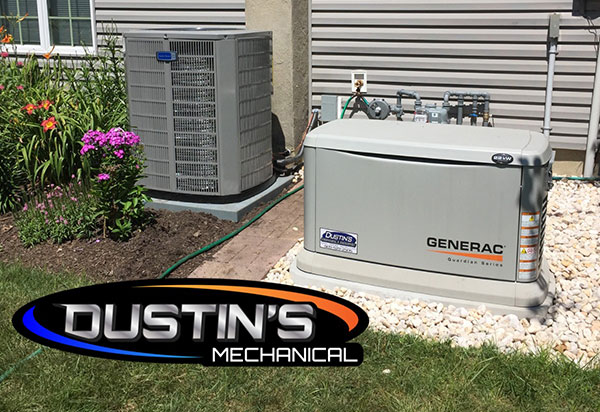
Credit: dustinsmechanical.com
Typical Cost Ranges
Small Residential Generatorsusually cost between $2,000 and $5,000. This includes the unit and basic installation. They provide power for a few essential appliances. Ideal for small homes or emergency use.
Medium to Large Residential Unitsrange from $5,000 to $12,000. These generators power larger homes and more appliances. Installation may be more complex, raising costs.
Commercial Standby Generatorsstart at $10,000and can go up to $30,000 or more. They support bigger buildings and critical systems. Installation often needs special permits and professional work.
| Generator Type | Cost Range | Use Case |
|---|---|---|
| Small Residential | $2,000 – $5,000 | Basic home backup |
| Medium to Large Residential | $5,000 – $12,000 | Larger home coverage |
| Commercial | $10,000 – $30,000+ | Businesses and large buildings |
Additional Expenses To Consider
Electrical upgrades may be needed for your home’s power system. This can raise the total cost. Upgrades include new wiring or circuit breakers to handle the generator’s load. These changes keep your home safe during power outages.
Maintenance and warranty plans protect your investment. Regular maintenance keeps the generator working well. Warranties cover repairs if something breaks. Both plans can save money over time.
| Backup Fuel Storage | Details |
|---|---|
| Fuel Tank Size | Larger tanks cost more but last longer |
| Fuel Type | Natural gas, propane, or diesel options |
| Installation | Proper setup required for safety and efficiency |

Credit: www.angi.com
Ways To Save On Installation
Getting several quotes helps find the best price for installation. Different companies may charge different rates for the same work. Comparing helps spot hidden fees and extra costs. It also gives bargaining power to negotiate a better deal.
Choosing the right size generator saves money and energy. A too large generator wastes fuel and costs more. Too small one may not power all appliances. Check your home’s power needs and select a unit accordingly.
Scheduling installation during off-season can lower costs. Installers may offer discounts when demand is low. Avoid peak seasons like winter or summer storms. Early booking can secure better prices and faster service.
Common Installation Challenges
Installation often faces space limits and wiring complexities that can raise costs. Permits and local rules may cause delays or extra fees. Proper planning helps avoid unexpected challenges during setup.
Site Preparation Issues
Uneven groundcan delay generator placement. Clearing debris and leveling the area might be needed. Proper space for ventilation and access is crucial. Obstacles like trees or fences may block installation.
Permitting Delays
Local permits are often required before installation. The approval process can take weeks. Different areas have different rules. Missing paperwork can cause more delays. Always check with local authorities early.
Weather And Environmental Factors
Bad weather like rain or snow can stop work. Wet ground makes it hard to dig or place equipment. Extreme heat slows workers down. Environmental rules might restrict noise or emissions. These factors add time and cost.
Tips For Choosing A Contractor
Check the contractor’s license and insuranceto ensure legal work and safety. Experience matters a lot. Choose someone who has installed many standby generators. Ask about training and certifications.
Read online reviewsand ask for references. Talk to past customers about their work qualityand timeliness. Honest feedback helps avoid problems.
| Service Agreement Item | What to Look For |
|---|---|
| Scope of Work | Clear list of tasks included in the installation |
| Warranty | Length and coverage for parts and labor |
| Payment Terms | Understand deposit, final payment, and any fees |
| Maintenance | Check if regular service or emergency calls are included |
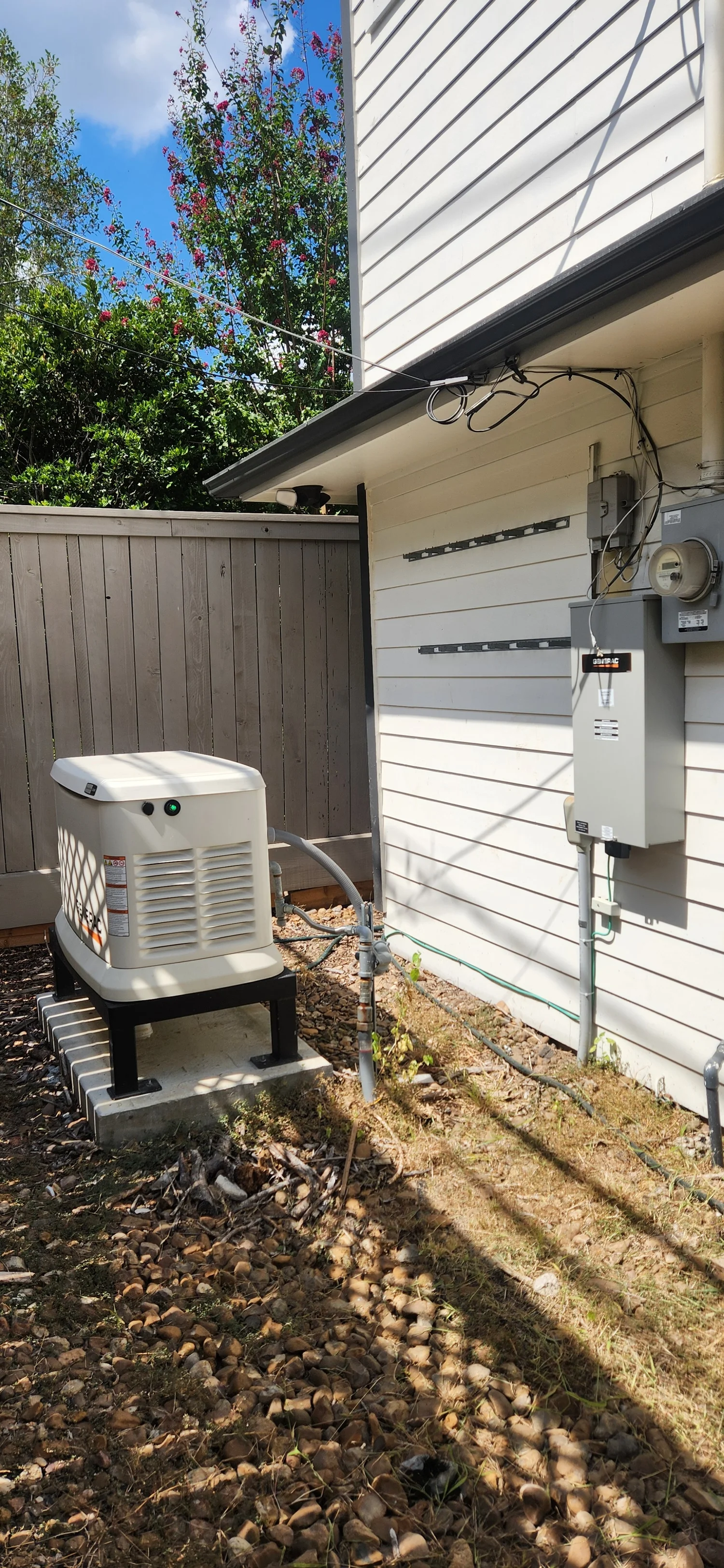
Credit: www.arielicustomhomes.com
Frequently Asked Questions
How Much Does Standby Generator Installation Cost?
Standby generator installation typically costs between $3,000 and $10,000. The price depends on generator size, fuel type, and labor fees. Larger units and complex setups increase the cost. Always get multiple quotes for accurate pricing tailored to your needs.
What Factors Affect Standby Generator Installation Prices?
Installation costs vary due to generator capacity, fuel source, and site complexity. Electrical upgrades and permits also raise expenses. Location and contractor rates influence the final price. Understanding these factors helps you budget effectively for installation.
Is Professional Installation Necessary For Standby Generators?
Yes, professional installation ensures safety, code compliance, and proper operation. Certified technicians handle wiring, permits, and testing. DIY installation risks damage and voids warranties. Hiring experts guarantees reliable backup power during outages.
How Long Does Standby Generator Installation Take?
Installation usually takes one to three days, depending on system complexity. Simple setups complete faster, while larger units need more time. Proper scheduling and preparation can minimize downtime during installation.
Conclusion
Choosing the right standby generator installation depends on your budget and needs. Costs vary by size, brand, and installation complexity. Don’t forget to include permits and labor fees in your plan. A reliable generator keeps your home safe during power outages.
Take your time to compare prices and services. This way, you get the best value without surprises. Investing in a generator brings peace of mind and comfort. Prepare now and avoid stress when the power goes out.