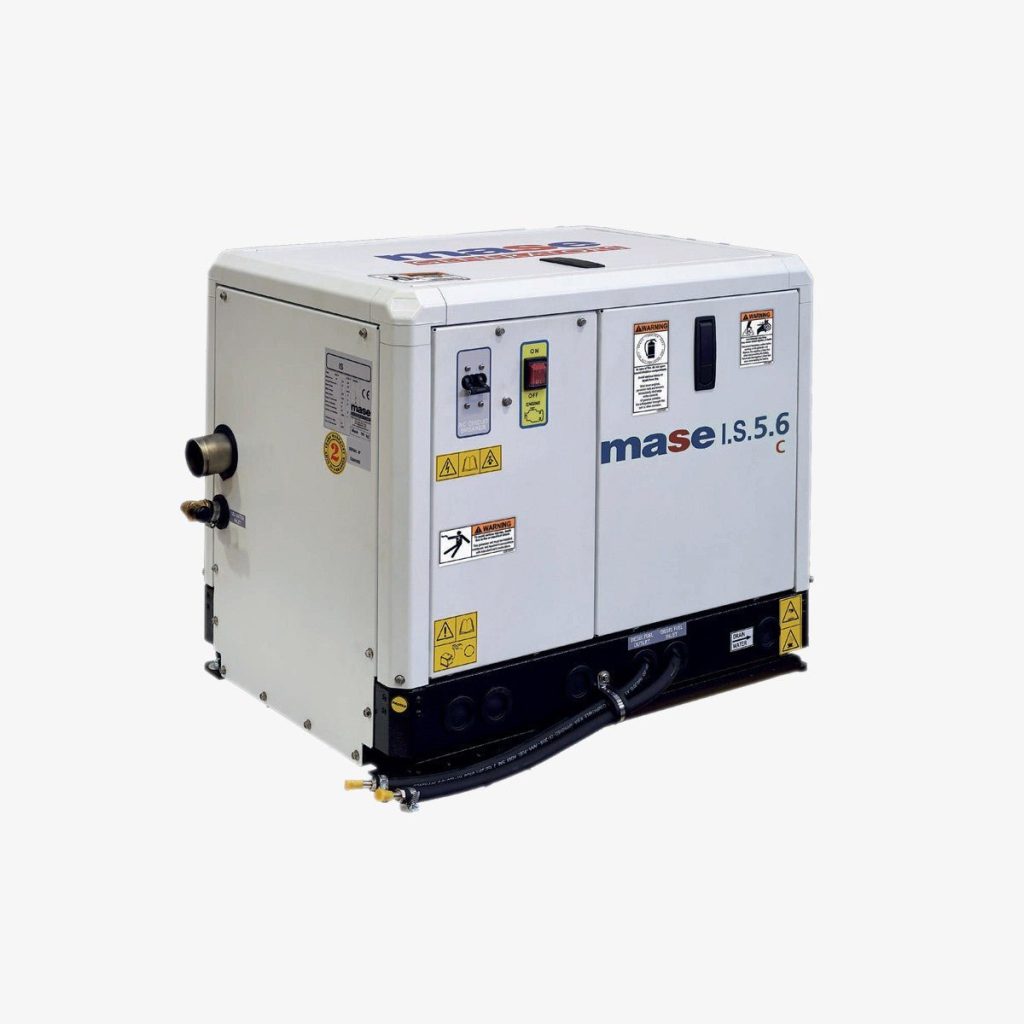
Have you ever wondered how much fuel your marine diesel generator actually uses? Knowing this can help you plan better, save money, and avoid unexpected stops on the water.
Whether you’re preparing for a long trip or just curious about your boat’s efficiency, understanding fuel consumption is key. You’ll discover simple ways to calculate fuel use, factors that affect it, and tips to get the most out of every drop.
Keep reading—you’ll soon feel more confident managing your generator and your fuel costs.
Fuel Consumption Basics
Fuel consumptionof marine diesel generators depends on many things. One key factor is the power ratingof the generator. Generators with higher power ratings usually use more fuel. But they also produce more energy.
The loadon the generator affects fuel use too. Running at full load is often more efficient than running at low load. Partial loads can waste fuel because the engine works but not at full capacity.
- Generator Power Ratings:Measured in kilowatts (kW), higher ratings mean more fuel.
- Load Impact:Higher load means better fuel efficiency; low load wastes fuel.

Credit: allprogenerators.com
Types Of Marine Diesel Generators
Marine diesel generators vary by size and power output, affecting their fuel use. Smaller models consume less fuel, while larger ones use more for heavy-duty tasks. Fuel efficiency depends on engine type and load conditions.
Small Vs Large Generators
Small marine diesel generators use less fuel and are good for small boats. Large generators use more fuel but provide more power for big ships. Fuel use depends on generator size and engine load. Small units run efficiently with low fuel use. Large units need more fuel but handle heavy power needs.
Single Vs Multiple Units
Single units are simpler and cost less to maintain. Multiple units give backup power and can save fuel by running only what is needed. Using several small generators can be more fuel-efficient than one big one. Fuel use varies with how many units run and their size.
Common Brands And Models
| Brand | Model | Approximate Fuel Use (liters/hour) | Power Output (kW) |
|---|---|---|---|
| Cummins | Onan Marine QD | 2 – 5 | 5 – 17 |
| Yanmar | 6LP Series | 4 – 10 | 10 – 20 |
| Volvo Penta | TAD Series | 7 – 15 | 15 – 40 |
Calculating Fuel Usage
Fuel burn ratesshow how much fuel a marine diesel generator uses per hour. These rates depend on the generator’s size and load. A small generator might use around 0.5 gallons per hour, while a larger one can use several gallons.
Estimating daily consumptionmeans multiplying the burn rate by hours of operation. For example, a generator using 1 gallon per hour running 10 hours will use 10 gallons daily. This helps plan fuel storage and costs.
Using manufacturer datais the best way to get accurate fuel usage. Manuals usually list fuel consumption at different loads. Checking this data ensures you estimate fuel needs correctly and avoid surprises.
Optimizing Fuel Efficiency
Regular maintenancekeeps the generator running smoothly. Change oil and filters often. Check fuel lines for leaks. Clean air filters to improve airflow. These steps help lower fuel use and stop breakdowns.
Load managementmeans using power wisely. Avoid running the generator at full power all the time. Match the load to the generator’s size. This saves fuel and extends engine life.
Upgradingto newer models can reduce fuel use. Modern generators use less fuel and run cleaner. Look for models with better fuel efficiency ratings.
Environmental And Cost Considerations
Fuel costsform a large part of a marine diesel generator’s budget. Diesel prices can vary by location and season. Planning fuel needs carefully helps avoid unexpected expenses. Using fuel efficiently saves money over time.
Strict emission regulationscontrol the amount of pollutants from generators. These rules help protect air quality and the environment. Older generators may need upgrades to meet these standards. Staying compliant avoids fines and shutdowns.
Alternative fuel optionslike biodiesel or hybrid systems can reduce emissions. These fuels burn cleaner and may lower operating costs. Switching fuels requires checking compatibility with the generator. Some options might not be widely available everywhere.

Credit: www.morganscloud.com

Credit: www.chinadieselgen.com
Frequently Asked Questions
How Much Fuel Does A Marine Diesel Generator Consume Per Hour?
Marine diesel generators typically consume between 0. 4 to 1. 2 gallons of fuel per hour. Fuel use varies by generator size, load, and efficiency. Larger generators and higher loads result in increased fuel consumption. Regular maintenance improves fuel efficiency and reduces costs.
What Factors Affect Marine Diesel Generator Fuel Usage?
Fuel consumption depends on generator size, load demand, engine efficiency, and maintenance. Operating at full load increases fuel use. Poor maintenance and engine wear also raise consumption. Fuel quality and ambient conditions can influence efficiency and fuel burn rates.
How To Calculate Fuel Consumption For Marine Diesel Generators?
Calculate fuel use by multiplying generator power output (kW) by fuel consumption rate (gallons/kWh). Check manufacturer specs for accurate rates. Monitor runtime and load to estimate total fuel consumption. This helps plan fuel needs and optimize generator operation.
Can Marine Diesel Generators Run Efficiently On Less Fuel?
Yes, marine diesel generators can run efficiently with proper load management. Operating near optimal load reduces fuel consumption. Regular servicing and using quality fuel also improve efficiency. Avoiding idling and oversizing the generator helps save fuel.
Conclusion
Understanding marine diesel generator fuel use is crucial. It impacts costs and efficiency. By monitoring fuel consumption, you can plan better. Efficient generators save money and reduce waste. Regular maintenance helps too. It keeps fuel usage in check. Also, consider the generator’s size and load.
These factors affect fuel use. Choose wisely to match your needs. Knowing these details aids in smarter decisions. Better for both pocket and planet.