
Are you curious about how much fuel your standby generator actually uses? You’re not alone.
Many homeowners and business owners wonder about the fuel consumption of these essential devices. After all, knowing this can help you manage costs and ensure your generator is always ready to power up when you need it most. Whether you’re preparing for a power outage or just planning your energy budget, understanding fuel usage is crucial.
Imagine the peace of mind you’ll feel, knowing exactly how much fuel your generator consumes. You’ll be able to make informed decisions, optimize your energy resources, and avoid unexpected expenses. Ready to dive into the details and discover how much fuel your standby generator uses? Let’s get started!
Types Of Standby Generators
Standby generators use different amounts of fuel based on type and size. Diesel and natural gas are common fuels. Consumption varies from 0. 5 to 3 gallons per hour, depending on load and efficiency.
Diesel Generators
Diesel generatorsare strong and last a long time. They use less fuel than others. This makes them a popular choice. Diesel is also easy to find. But, they can be noisy. They also produce smoke. Regular checks are needed. This helps them work well.
Natural Gas Generators
Natural gas generatorsare clean and quiet. They use gas from pipelines. This means you do not need to store fuel. They start fast and work well in cold weather. But, if gas supply stops, they cannot run. These generators are good for homes.
Propane Generators
Propane generatorsare safe and clean. They use propane stored in tanks. This fuel does not go bad. Propane is easy to store. These generators are quiet. They are good for small homes. But, propane can be more costly than others.
Factors Affecting Fuel Consumption
Fuel consumption in standby generators depends on factors like load capacity, generator size, and fuel type. Generators running at higher loads use more fuel. Diesel generators typically consume more than natural gas ones. Regular maintenance can help improve efficiency.
Generator Size
The size of the generator affects how much fuel it uses. Bigger generators need more fuel. They have bigger engines. Smaller generators use less fuel. They are more efficient for small jobs.
Load Demand
Fuel use increases with load demand. Higher demand means more fuel. When running many devices, the generator works harder. Less load means less fuel. Managing load can save fuel.
Fuel Type
Different fuels burn differently. Diesel and gasoline are common options. Diesel is often more efficient. It gives more energy per unit. Gasoline is easier to find. But it may use more fuel. Choosing the right fuel impacts use.
Fuel Consumption Rates
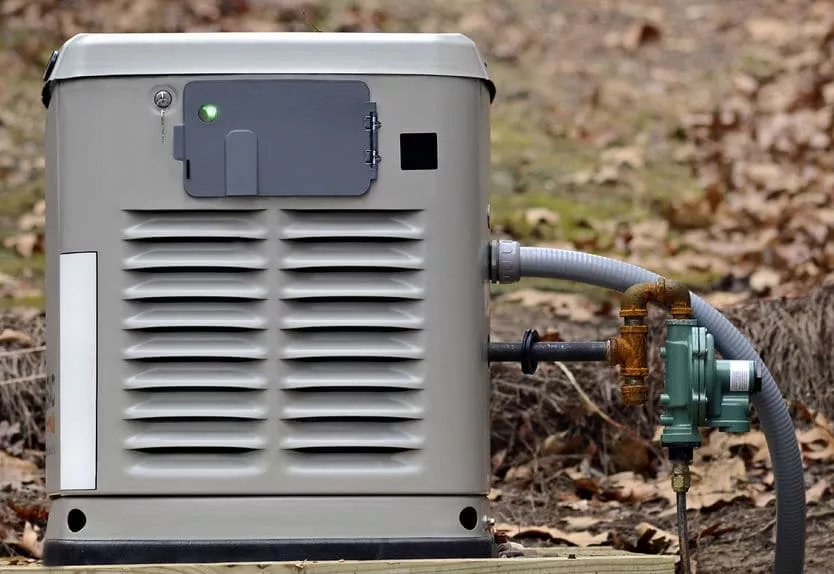
Understanding how much fuel a standby generator uses is essential for budgeting and planning. Fuel consumption rates vary based on the generator’s size and load capacity. On average, a standby generator might use 0. 75 to 3 gallons of fuel per hour, depending on its power output.
Diesel Consumption
Diesel generators are strong and reliable. They use 0.4 to 0.8 gallons per hour. Usage depends on the size and load. Small generators use less fuel. Big ones use more. Proper maintenance helps reduce fuel use. Keep filters clean and check oil levels. It keeps the generator running well.
Natural Gas Consumption
Natural gas is cleaner than diesel. It uses 0.2 to 0.4 cubic feet per hour. Small loads need less gas. Large loads need more. Natural gas is good for the environment. It’s easy to store and transport. Check gas lines often for leaks.
Propane Consumption
Propane is safe and easy to store. It uses 0.5 to 1 gallon per hour. Usage varies with load size. Small loads use less propane. Bigger loads use more. Propane is a clean fuel. It burns without smoke. Always store propane tanks safely.
Credit: www.premium-electric.ca
Calculating Fuel Usage
To find out fuel usage, use a simple formula. Multiply the generator’s fuel consumption rateby the number of hoursit runs. This gives an estimate of how much fuel is used. For example, if a generator uses 0.75 gallons per hour and runs for 5 hours, it will use 3.75 gallons. This method helps in planning fuel needs.
Consider a generator that consumes 0.5 gallons per hour. If it runs for 4 hours, it uses 2 gallons. Another example is a generator using 1 gallon per hour. Running for 3 hours, it will need 3 gallons. These examples show how to calculate fuel usage easily. Always check the generator’s manual for exact rates.
Optimizing Fuel Efficiency
Optimizing fuel efficiency for standby generators involves understanding their consumption rate. Typically, these generators use about 0. 75 to 3 gallons of fuel per hour, depending on size and load. Regular maintenance and proper sizing can help ensure efficient fuel use, saving costs and reducing environmental impact.
Regular Maintenance
Regular checks keep the generator running smoothly. Clean filters help reduce fuel use. Ensure the oil is fresh and at the right level. Inspect spark plugs for wear and replace if needed. This keeps the engine healthy. An efficient engine burns less fuel.Load Management
Use only the power needed. Turn off devices not in use. This reduces the load on the generator. A lighter load means less fuel used. Check the generator’s capacity. Avoid overloading as it wastes fuel.Upgrading Technology
Newer generators are more fuel-efficient. Consider upgrading to save fuel. Look for generators with smart features. They adjust power based on need. This helps in using less fuel. Modern technology can be a wise investment. `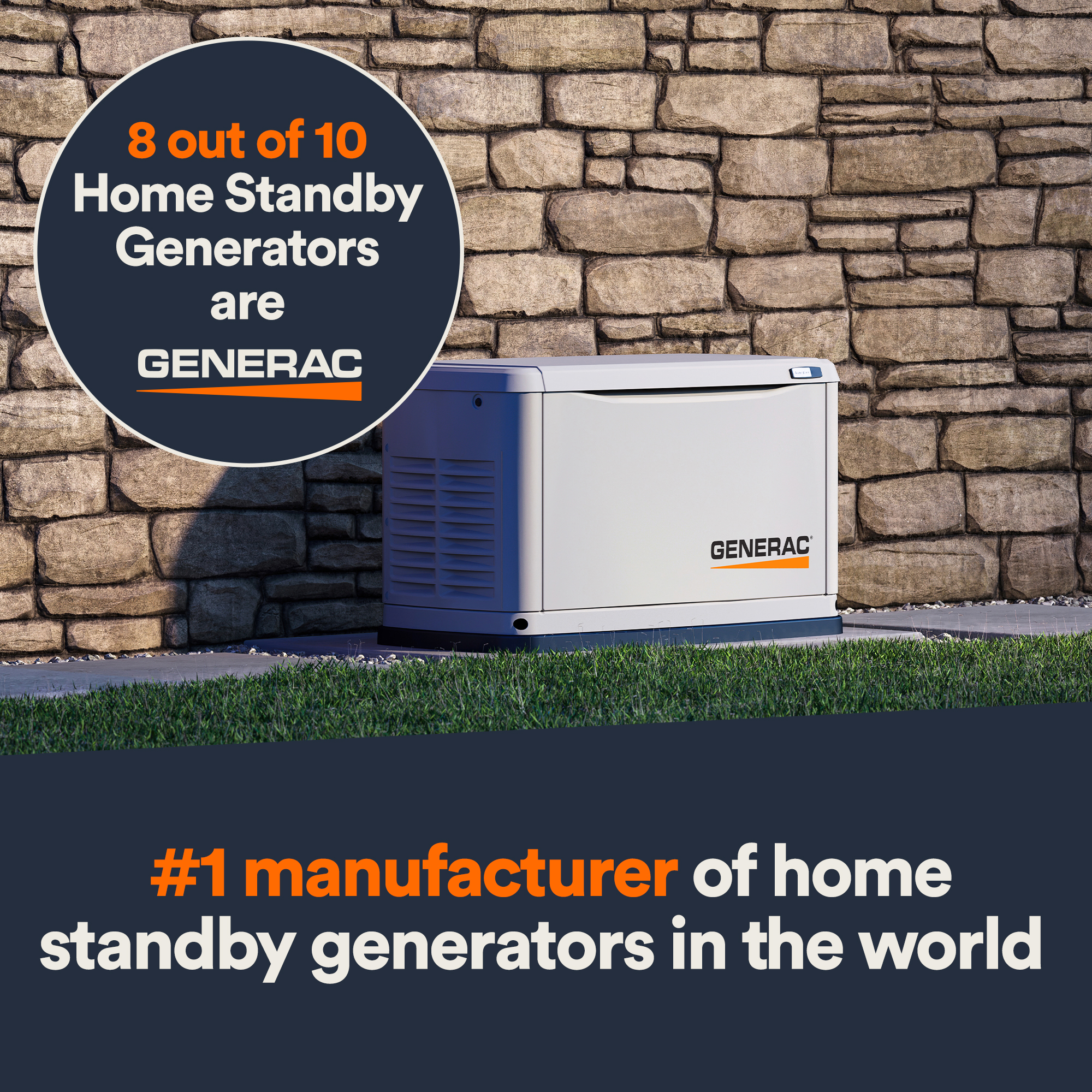
Credit: www.generac.com
Comparing Costs
Understanding how much fuel a standby generator uses can save money. Fuel consumption varies by generator size and load. Always check the manufacturer’s specifications for exact usage details.
Fuel Costs Overview
Standby generators need fuel to run. Common options are diesel, natural gas, and propane. Each fuel type has different costs. Diesel is often more expensive but efficient. Natural gas is cheaper but less efficient. Propane is in between, balancing cost and efficiency. Choosing the right fuel affects your wallet. Consider both immediate and long-term costs.
Long-term Considerations
Think about how often you use the generator. Frequent use means higher fuel costs. Maintenance also adds to costs over time. Diesel requires regular checks. Natural gas is cleaner but needs professional installation. Propane tanks need refills. Over time, these factors add up. Plan your budget wisely. Evaluate all costs before choosing a generator type.
Environmental Impact
Standby generators can emit harmful gases. These gases include carbon dioxide and nitrogen oxides. Carbon dioxide contributes to global warming. Nitrogen oxides affect air quality. Reducing emissions is crucial. Using cleaner fuels can help. This includes natural gas or biofuels. Regular maintenance also reduces emissions. Keep generators in good shape. This ensures efficiency and less pollution.
Choosing sustainable practices is important. Use renewable energy sources when possible. Solar panels can power small devices. Wind turbines can supplement energy. Energy conservation is another key. Turn off generators when not needed. Limit usage during peak times. Reduce fuel consumption with efficient models. Invest in technology upgrades. This helps lessen environmental impact.
Credit: shgeneratorset.com
Frequently Asked Questions
How Much Does It Cost To Run A Generac Generator For 24 Hours?
Running a Generac generator for 24 hours costs between $50 and $150. Costs vary due to fuel type and generator size. Natural gas is usually cheaper than propane. Regular maintenance ensures efficiency, potentially reducing costs. Check fuel prices and generator specifications for precise calculations.
How Long Does A 500-gallon Propane Tank Last For A Generac Generator?
A 500-gallon propane tank typically powers a Generac generator for around 10 to 20 days, depending on usage. Factors like generator size and load affect consumption rates. Regular maintenance and efficient energy use can extend tank life. Always monitor fuel levels to avoid unexpected outages.
Do Generac Generators Use A Lot Of Gas?
Generac generators are efficient, but fuel consumption varies by model and load. Smaller models use less gas. Regular maintenance ensures optimal performance. Check specific model specifications for exact usage details. Proper installation and usage can help reduce fuel consumption significantly.
Always refer to the user manual for best practices.
How Long Will 5 Gallons Of Gas Last In A Generac Generator?
A Generac generator can run approximately 8-12 hours on 5 gallons of gas. This depends on the load. Higher loads consume more fuel, reducing runtime. Ensure regular maintenance for optimal efficiency and fuel usage. Always refer to the specific model’s manual for precise fuel consumption rates.
Conclusion
Choosing the right generator saves fuel and money. Understand your power needs first. Calculate fuel consumption based on usage hours. Consider generator size and type. Smaller generators use less fuel. Larger ones offer more power. Regular maintenance keeps fuel use efficient.
Check filters and oil regularly. Always plan for fuel storage. This ensures readiness during outages. Research different fuel types for efficiency. Natural gas and diesel are popular choices. Each has its benefits. Make informed decisions for energy security. Stay prepared and efficient with your standby generator.