
Ever wondered how much fuel your standby generator actually uses? You’re not alone.
Understanding fuel consumption is crucial for managing costs and ensuring your generator is ready when you need it most. Whether you’re preparing for unexpected power outages or planning for routine use, knowing the fuel dynamics can save you money and stress.
Imagine the peace of mind you’ll have when you’re fully informed about how your generator operates. Dive deeper into this article to uncover the factors affecting fuel usage and gain insights that can help you optimize efficiency and reliability for your home or business.
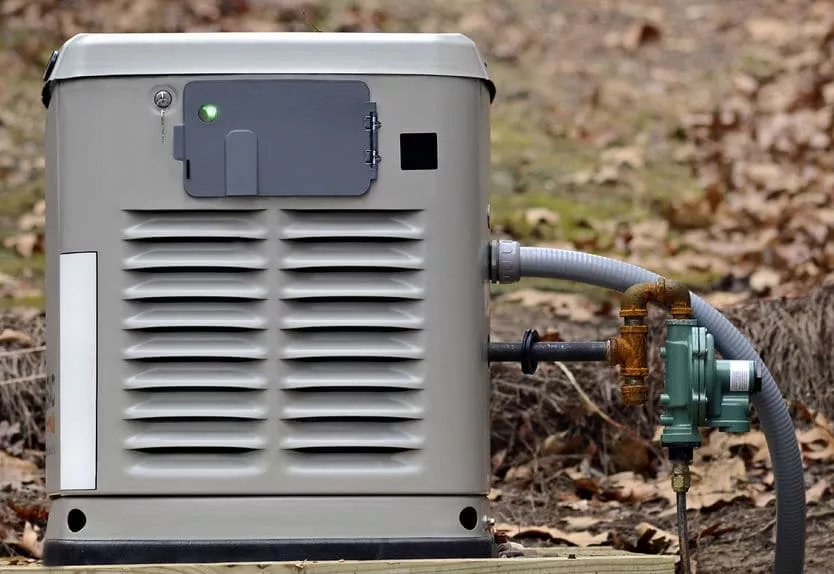
Credit: www.premium-electric.ca
Fuel Types For Standby Generators
Gasolineis common for small standby generators. It burns fast and stores poorly over time. Gasoline generators need regular refills during power outages. They are easy to find at most stores.
Dieselfuel lasts longer and is more efficient. Diesel generators often run longer on less fuel. They are good for bigger generators and longer outages. Diesel is safer to store than gasoline.
Natural Gasis cleaner and burns steadily. It connects directly to home gas lines. This means no refills are needed. Natural gas generators run quietly and last long.
Propanestores well and burns cleanly. It is easy to use and refill. Propane works well in cold weather. It also produces less pollution than gasoline.
Factors Influencing Fuel Consumption
Generator size and capacityplay a big role in fuel use. Bigger generators need more fuel to run. Small generators use less fuel but may not power many devices.
Load demandmeans how much power the generator must supply. Higher load means more fuel. Running at low load saves fuel.
Running timeaffects total fuel use. Longer running time means more fuel is needed. Short use means less fuel consumed.
Efficiency ratingsshow how well a generator uses fuel. Higher efficiency means less fuel for the same power. Lower efficiency uses more fuel.
Average Fuel Use By Generator Size
Small residential generatorsuse about 0.1 to 0.5 gallonsof fuel per hour. These units power basic home needs like lights and small appliances. They usually run on gasoline or propane.
Medium-sized generatorsconsume 0.5 to 2 gallonsof fuel each hour. They support larger homes or small businesses. Fuel type can be diesel, natural gas, or propane.
Large commercial generatorsuse 2 to 5 gallonsor more per hour. These are for big buildings or facilities. They often run on diesel and can keep many systems running for hours.

Credit: www.angi.com
Fuel Consumption At Different Loads
Idle consumptionmeans the generator is running but not powering much. It uses about 0.1 to 0.5 gallons per hour. This keeps the engine ready to start quickly without wasting too much fuel.
Partial load usagehappens when the generator powers some devices but not all. Fuel use is higher, around 0.5 to 1.5 gallons per hour, depending on the load size. Running at partial load saves fuel compared to full load.
Full load usagemeans the generator is working at its maximum power. It consumes the most fuel, typically 1.5 to 3 gallons per hour. This is needed during big power outages or heavy equipment use.
Calculating Fuel Costs
A standby generator uses fuel based on its size and load. Estimating usage helps plan for backup power needs. Smaller generators use less fuel, while larger ones consume more. Running time also affects fuel use. A generator running at half load uses less fuel than one at full load.
Fuel prices vary by type and location. Diesel, propane, and natural gas prices differ. Comparing prices helps find the best option for your budget.
| Fuel Type | Average Price per Gallon | Usage (Gallons per Hour at Full Load) |
|---|---|---|
| Diesel | $3.50 | 0.8 |
| Propane | $2.90 | 1.0 |
| Natural Gas | $1.20 (per therm) | Varies |
- Calculate expected outage hours.
- Multiply fuel use by outage duration.
- Include extra fuel for safety.
- Set aside budget for fuel refills.
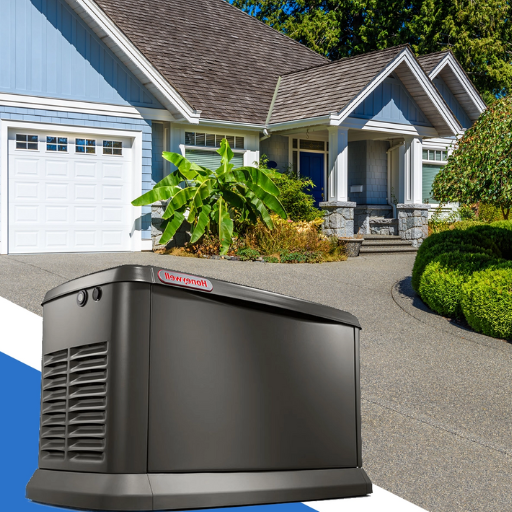
Credit: shgeneratorset.com
Tips To Reduce Fuel Use
Regular maintenance keeps the generator running smoothly. Change oil and filters often. Check spark plugs and air filters to avoid fuel waste.
Optimizing load management helps save fuel. Run only essential appliances during power outages. Turn off unused devices to reduce load.
- Use energy-efficient appliances to lower fuel use.
- LED lights consume less power than incandescent bulbs.
- Choose appliances with high energy ratings.
Environmental Impact Of Fuel Consumption
Fuel typeaffects the amount of pollution a standby generator makes. Gasoline and diesel release more carbon dioxideand harmful gases. These gases can hurt the air and health.
Natural gas and propane create less pollution. They burn cleaner and produce fewer harmful chemicals.
- Natural gas is easier on the environment.
- Propane is a good choice for less pollution.
- Diesel and gasoline produce more smoke and particles.
Some generators use alternative fuelslike solar power or batteries. These options have almost no emissions.
| Fuel Type | Emission Level | Environmental Impact |
|---|---|---|
| Gasoline | High | More air pollution and carbon emissions |
| Diesel | High | Produces soot and nitrogen oxides |
| Natural Gas | Moderate | Cleaner burning with less pollution |
| Propane | Low | Low emissions, cleaner fuel |
| Solar/Battery | None | No harmful emissions |
Many places have rulesfor using generators. These rules limit the amount of pollution allowed.
Following local laws helps protect the environment and keeps everyone safe.
Frequently Asked Questions
How Much Fuel Does A Standby Generator Use Per Hour?
A standby generator typically uses 0. 5 to 2 gallons of fuel per hour. Fuel consumption varies by generator size and load. Larger units consume more fuel, especially under heavy load. Efficiency depends on usage patterns and fuel type, such as propane, diesel, or natural gas.
What Factors Affect Standby Generator Fuel Consumption?
Fuel consumption depends on generator size, load demand, fuel type, and running time. Higher loads increase fuel use. Maintenance and generator efficiency also impact fuel efficiency. Choosing the right size generator can optimize fuel usage and reduce costs during power outages.
How Long Can A Standby Generator Run On A Full Tank?
The runtime depends on fuel tank size and load. A 20-gallon tank may last 10 to 40 hours. Lower loads extend runtime, while higher loads shorten it. Regular monitoring ensures continuous operation during outages without fuel shortage.
Is Fuel Consumption Different For Diesel Vs Propane Generators?
Yes, diesel generators generally consume more fuel but offer higher power output. Propane generators burn cleaner and may have slightly lower fuel use. Fuel cost and availability also influence the choice between diesel and propane for standby generators.
Conclusion
Standby generators use fuel depending on their size and load. Smaller units use less fuel, while bigger ones consume more. Running time also affects fuel use. Knowing your generator’s fuel needs helps plan for emergencies. This avoids running out of fuel during power outages.
Choose the right generator for your home or business. Keep fuel stored safely and check it regularly. This ensures your generator works when needed most. Fuel use matters, but reliable power matters more. Stay prepared and keep your generator ready to run.