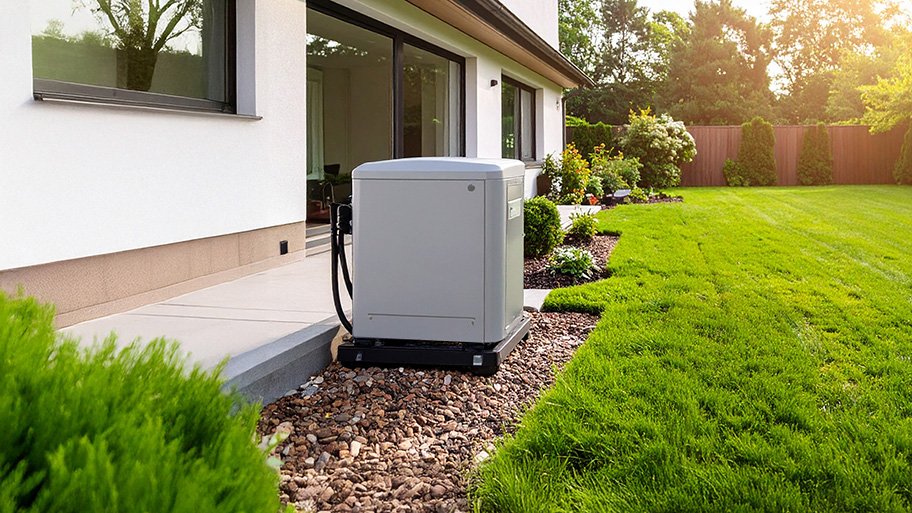
Have you ever wondered how much a standby generator costs? If you want to keep your home powered during outages, knowing the price is key.
But the cost isn’t just a single number—it depends on your needs, the size of your home, and the features you want. You’ll discover what affects the price of a standby generator and how to find the right one without breaking the bank.
Keep reading to make a smart choice for your home and peace of mind.
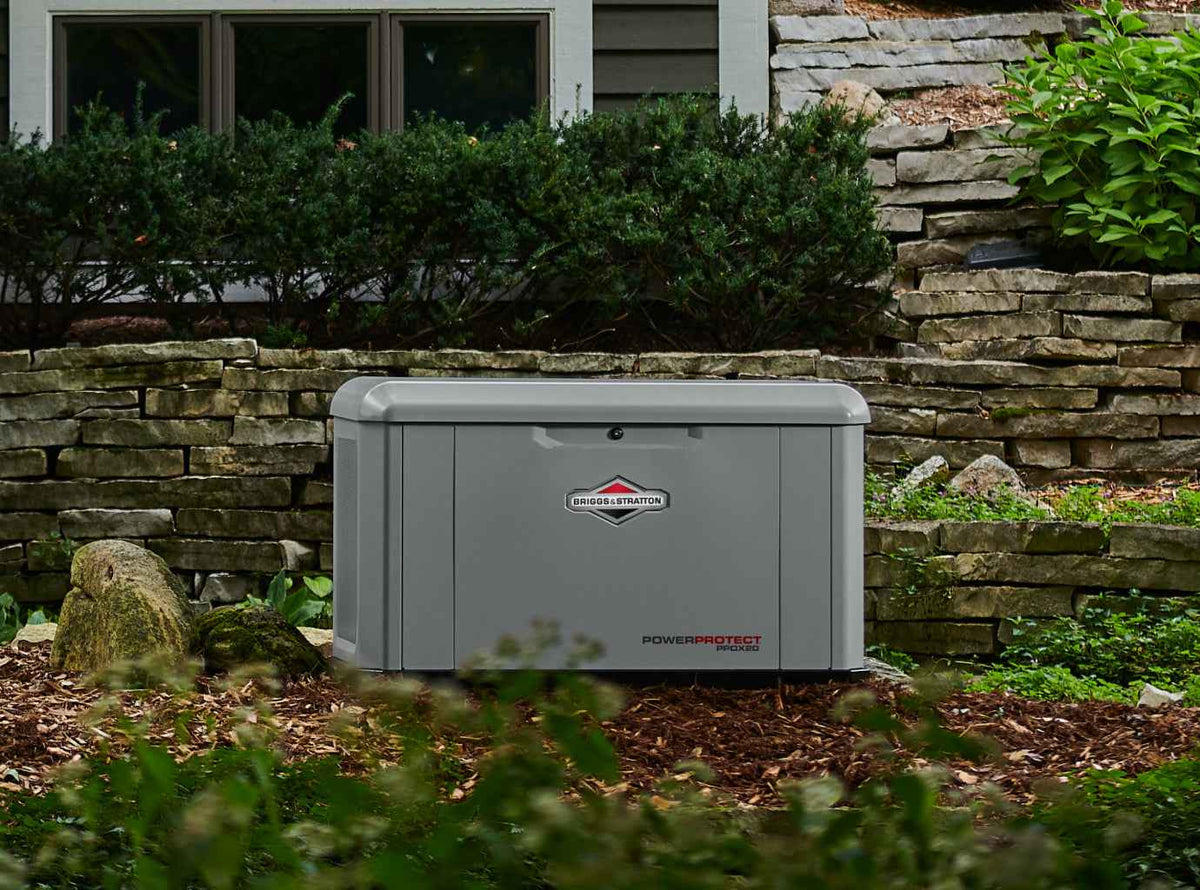
Credit: canadianoffgriddepot.com
Types Of Standby Generators
Portable generatorsare smaller and easy to move. They run on gasoline and work well for short power needs. Standby generatorsare fixed outside your home. They start automatically during power cuts. They use natural gas or propane.
Fuel choice affects cost and use. Gasoline is easy to find but stores poorly. Natural gas is clean and flows through pipes. Propane lasts long and burns cleanly.
| Power Capacity (kW) | Use | Typical Home Size |
|---|---|---|
| 5-7 kW | Basic needs, small appliances | Small homes, apartments |
| 10-20 kW | Whole home backup | Medium homes |
| 20+ kW | Large homes, multiple systems | Large homes, farms |
Factors Influencing Generator Costs
The size and power outputof a standby generator greatly affect its cost. Larger generators with higher power output are more expensive. They can support more appliances and bigger homes.
Fuel type and efficiencyalso play a key role. Generators that run on natural gas or propane may cost more upfront but save money over time. Diesel generators are powerful but often pricier and need more maintenance.
Installation complexityvaries by location and setup. Installing a generator with simple connections costs less. Complex installations with electrical upgrades or special permits increase the price.
Brand and qualityimpact price too. Well-known brands often charge more but offer better reliability and longer warranties. Cheaper brands might save money at first but could need more repairs.
Typical Price Ranges In 2025
Standby generators vary in price based on their size and features. Entry-level modelsusually cost between $500 and $2,000. These are good for small homes and basic power needs.
Mid-range optionsrange from $2,000 to $5,000. They offer more power and can support larger homes or small businesses.
High-end generatorscost $5,000 to $15,000 or more. These models provide the most power and advanced features. They are best for big homes or places needing backup for many appliances.

Credit: www.homestars.com
Installation Costs Explained
Site preparationincludes clearing and leveling the area for the generator. It may require concrete pads or gravel bases to ensure stability. This step can cost between $500 and $1,500, depending on the site’s condition.
Electrical workinvolves connecting the generator to your home’s electrical system. A licensed electrician installs transfer switches and wiring. This work can range from $1,000 to $3,000based on complexity and local rates.
Permits and inspectionsare required by local authorities to ensure safety and code compliance. Permit fees usually cost between $100 and $500. Inspections may add extra charges depending on the municipality.
Additional Expenses To Consider
Maintenance and repairskeep your generator working well. Regular check-ups avoid big problems. Parts may wear out and need fixing or replacing. Set aside money for these costs.
Extended warrantiesgive extra coverage beyond the basic warranty. They can save money if repairs are needed later. Think about the cost and benefits before buying one.
Fuel storageis important for backup power. You need safe tanks or containers to store fuel. This adds to the total cost but ensures the generator runs when needed.
Cost-saving Tips
Choosing the right size generator saves money and energy. Too big wastes fuel; too small won’t power your home. Calculate your home’s wattage needs carefully. Consider essential devices only to reduce size and cost.
| Fuel Type | Cost | Availability | Maintenance |
|---|---|---|---|
| Gasoline | Low initial cost | Easy to find | Needs regular checks |
| Propane | Moderate cost | Less common | Long shelf life |
| Natural Gas | Low operating cost | Connected to home | Minimal upkeep |
- Professional installation costs more but ensures safety.
- DIY installation saves money but needs skill and tools.
- Check local codes; permits may be required.
- Proper setup prevents future repair costs.
Financing And Incentives
Standby generators can be costly. Many people choose loan optionsto manage the expense. Loans may come with low interest ratesor flexible terms. Some lenders offer special plans for energy equipment.
Tax credits and rebateslower the total price. Governments often give credits to encourage backup power use. Rebates might be available from local utilities or states. These incentives reduce your out-of-pocket costs.
| Type | Description | Benefit |
|---|---|---|
| Loan Options | Financial plans with fixed or variable rates. | Makes payments easier to handle over time. |
| Tax Credits and Rebates | Government and utility programs that cut costs. | Reduces the initial investment significantly. |
| Energy Efficiency Programs | Programs that promote use of efficient generators. | May offer discounts or additional savings. |
Energy efficiency programssupport clean and efficient power. They help lower energy use and costs. Some programs provide discounts or special offers. These programs can make standby generators more affordable.
Long-term Value And Roi
Standby generators are built for long-term use. Their durabilitymeans they last many years, often over 10. Regular maintenance keeps them running well.
Having a standby generator can increase your home’s value. Buyers see it as a useful feature, especially in areas with frequent power outages.
Generators also help save on energy costs during outages. They keep essential appliances running, reducing damage and food waste.
| Factor | Benefit |
|---|---|
| Durability and Lifespan | Lasts 10+ years with maintenance |
| Impact on Home Value | Increases appeal and resale value |
| Energy Savings | Prevents loss of food and damage |
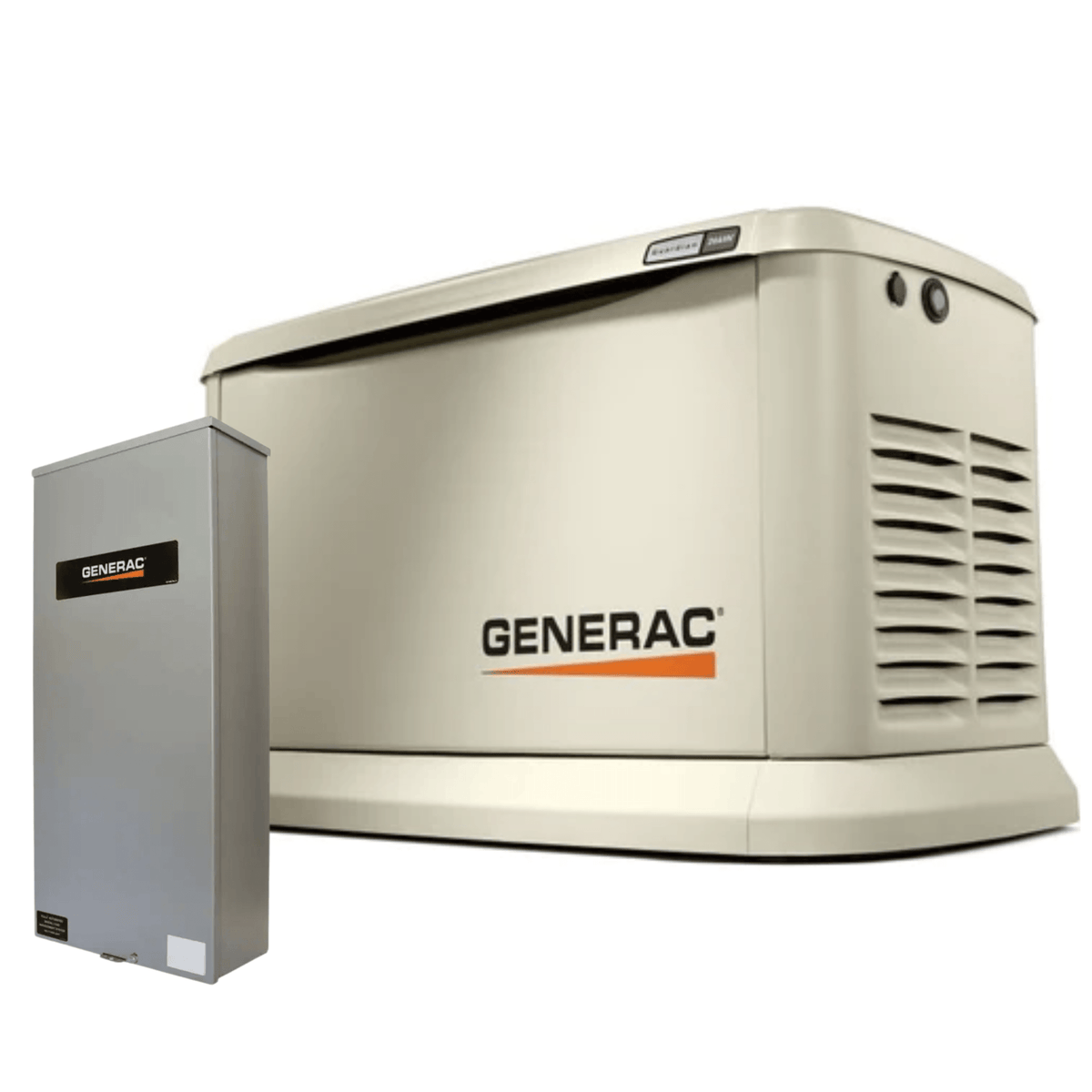
Credit: solarpowerstore.ca
Frequently Asked Questions
How Much Does A Standby Generator Cost?
The cost of a standby generator ranges from $2,000 to $15,000. This depends on size, brand, and installation complexity. Smaller models cost less, while large units with automatic transfer switches cost more.
What Factors Affect Standby Generator Prices?
Prices vary due to generator capacity, fuel type, brand, and installation fees. Larger capacity and propane or natural gas models are pricier. Professional installation and permits also increase the total cost.
Is Installation Included In Standby Generator Price?
Installation is often a separate cost. It can range from $500 to $3,000 depending on site conditions and electrical work. Always confirm if the quoted price includes installation.
How Long Do Standby Generators Last?
Standby generators typically last 10 to 30 years with proper maintenance. Regular servicing extends lifespan and ensures reliable performance during power outages.
Conclusion
Choosing the right standby generator is crucial. It ensures power during outages. Costs vary based on size and features. Consider your home’s energy needs. Compare different brands and models. Installation costs can add up. Budget for regular maintenance as well.
Investing in a reliable generator offers peace of mind. Always consult with an expert before purchasing. They can guide you on the best options. Remember, a good generator protects your home. It keeps essential systems running smoothly. Stay prepared and secure with the right generator choice.
Your home’s safety depends on it.