
Are you considering a standby generator for your home or business? One crucial factor you need to understand is how much natural gas it consumes.
This knowledge not only impacts your energy costs but also helps you plan for emergencies. Imagine the peace of mind knowing exactly how your standby generator will perform when you need it most. We’ll break down everything you need to know about natural gas usage in standby generators.
By the end, you’ll feel confident and informed, ready to make the best decision for your energy needs. Stick around to discover practical tips and insights that could save you money and enhance your energy efficiency.
Credit: shgeneratorset.com
Fuel Consumption Basics
Natural gas consumptionby standby generators depends on several key factors. The size and capacityof the generator play a major role. Larger generators with higher capacity use more gas to produce power. Smaller models consume less fuel but may not support heavy loads.
Load and runtimealso affect fuel use. The more electrical devices running, the higher the fuel consumption. Running the generator for longer hours will naturally increase gas usage. Efficiency can vary depending on how much power is needed at any time.
| Factor | Effect on Gas Usage |
|---|---|
| Generator Size | Larger size = More gas used |
| Capacity | Higher capacity = Higher consumption |
| Load | More load = More fuel needed |
| Runtime | Longer runtime = Increased gas use |
Measuring Natural Gas Usage
Natural gas usage is measured in cubic feet (ft³)or therms. These units show how much gas the generator uses over time. Understanding these helps to track fuel consumption and costs.
Estimating consumption depends on the generator’s size and load. A small standby generator might use about 20 to 40 cubic feet per hourat half load. Larger units use more gas. Checking the generator’s specs gives a more exact number.
Monitoring gas flow uses a gas meterinstalled on the supply line. This meter records how much gas passes through. It helps to see real-time use and detect leaks or waste. Regular checks keep the system efficient and safe.
Typical Usage Rates
A small generatoruses about 100 to 200 cubic feetof natural gas per hour. These are usually for light home use or small tools.
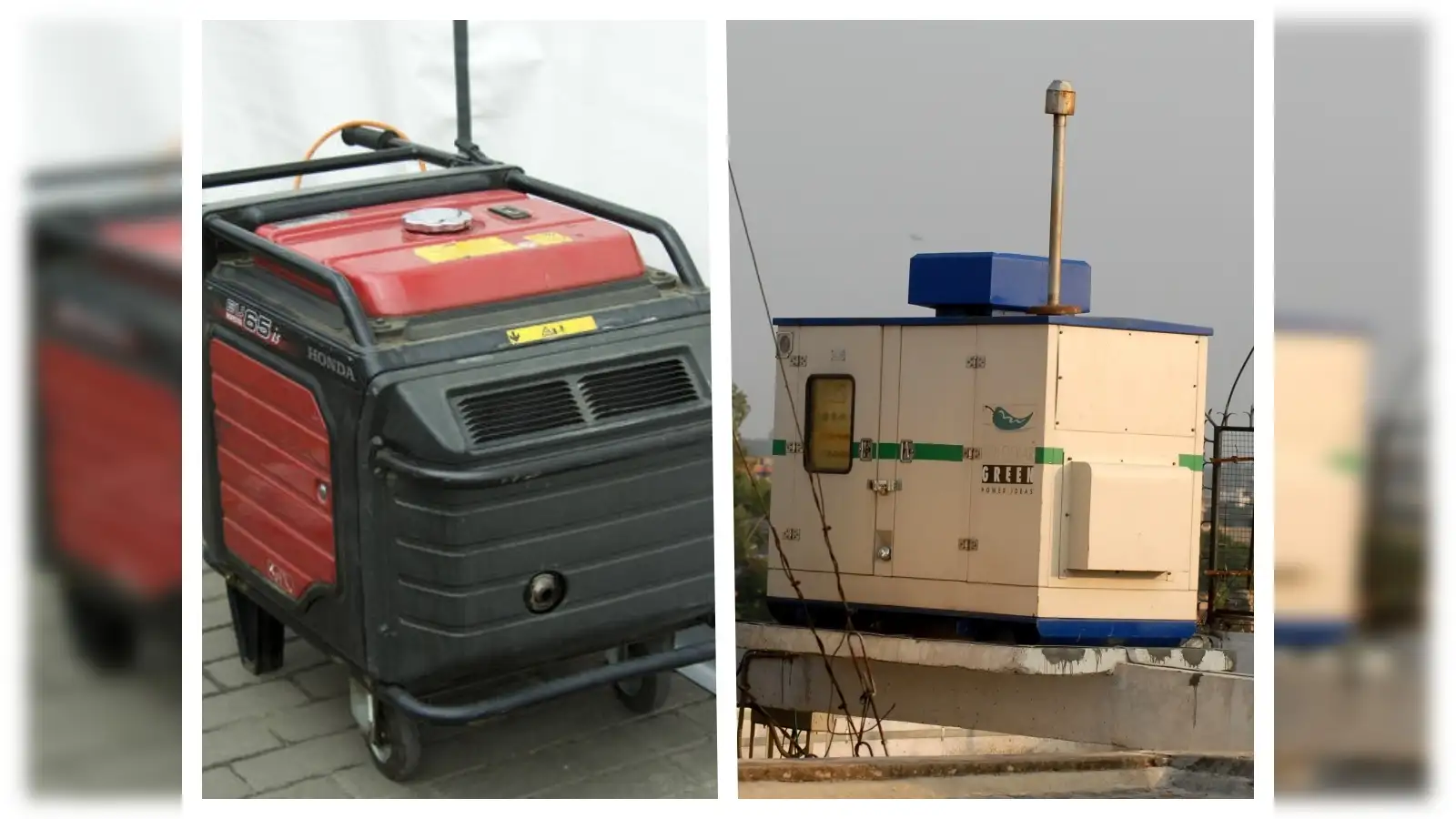
A medium-sized generatorconsumes roughly 300 to 600 cubic feetper hour. They power bigger homes or small businesses.
Large generatorsneed much more fuel, around 700 to 1500 cubic feetper hour. These serve big buildings or factories.
| Generator Size | Natural Gas Usage (cubic feet/hour) | Common Use |
|---|---|---|
| Small | 100 – 200 | Light home use, small tools |
| Medium | 300 – 600 | Bigger homes, small businesses |
| Large | 700 – 1500 | Big buildings, factories |

Credit: www.angi.com
Efficiency And Gas Savings
Regular maintenancekeeps a generator running smoothly. It helps to use less natural gas. Clean filters and oil changes make parts work better. This reduces fuel waste and saves money.
Using energy wisely also cuts gas use. Only run the generator when needed. Avoid running heavy appliances all at once. This lowers the load and the fuel needed.
- Check fuel lines for leaks to prevent waste.
- Keep the generator clean to avoid overheating.
- Test the generator regularly to spot issues early.
- Turn off unnecessary devices during power outages.
Small changes can lead to big gas savings. Efficiency means less fueland lower costs.
Cost Considerations
Calculating fuel costs helps to understand how much natural gas a standby generator uses. The cost depends on the generator’s size and how long it runs. Natural gas prices vary by location and time. Knowing the fuel use rate per hour can help estimate expenses.
Comparing fuel types shows differences in cost and availability. Natural gas is usually cheaper than propane or diesel. It burns cleaner and needs less storage space. Diesel may cost more but stores longer without problems.
Budgeting for operation means planning for fuel and maintenance costs. Running a generator often increases fuel bills. Setting aside money for repairs and regular checkups keeps the generator ready. Tracking usage helps avoid surprises in costs.
Credit: m.economictimes.com
Environmental Impact
Natural gasemits fewer pollutants than gasoline or diesel. It produces less carbon dioxide (CO2), nitrogen oxides, and particulate matter. This helps reduce air pollution.
Compared to other fuels, natural gas burns cleaner. It creates less smoke and soot. This means less harm to the environment and better air quality.
- Natural gas lowers greenhouse gas emissions.
- It helps reduce the carbon footprintof standby generators.
- Using natural gas supports cleaner energy goals.
Switching to natural gas can be a step toward a greener future. It helps protect the planet by cutting down harmful gases.
Installation And Safety Tips
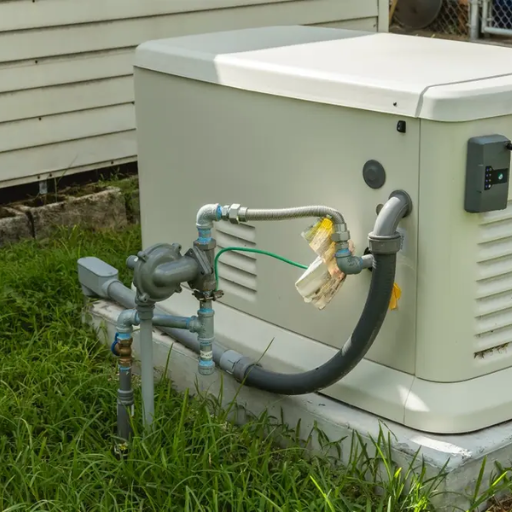
Proper gas line setupensures safe and efficient generator operation. Use high-quality pipesand fittings. Check for leaks with a soap solution. Keep gas lines away from heat sources and sharp edges. Always follow local codes and hire a licensed professional for installation.
Regular inspectionshelp spot issues early. Look for cracks, corrosion, or loose connections. Test the generator under load every few months. Replace worn parts promptly to avoid breakdowns.
Emergency proceduresmust be clear to all household members. Know how to shut off the gas supply quickly. Keep a fire extinguisher nearby. Have emergency contact numbers ready. Practice drills to stay prepared and safe.
Frequently Asked Questions
How Much Natural Gas Does A Standby Generator Use Hourly?
A standby generator typically uses 200 to 400 cubic feet of natural gas per hour. Usage varies by generator size and load demand. Higher loads consume more gas, while smaller generators use less. Always check your generator’s specifications for exact consumption rates.
What Factors Affect Natural Gas Usage In Generators?
Natural gas consumption depends on generator size, load, and operating time. Larger generators and higher loads increase gas usage. Efficiency of the generator also plays a role. Ambient temperature and maintenance status can impact fuel consumption too.
Can Natural Gas Consumption Be Reduced In Standby Generators?
Yes, optimizing load management and routine maintenance can reduce gas use. Using energy-efficient appliances during power outages helps. Ensuring your generator runs only when necessary also saves fuel. Upgrading to a more efficient model can lower consumption further.
How To Calculate Natural Gas Cost For Standby Generators?
Calculate cost by multiplying gas consumption (cubic feet/hour) by fuel price per unit. Then, multiply by the total hours of operation. This gives an estimate of running costs. Always consider peak load usage for accurate budgeting.
Conclusion
A standby generator’s natural gas use depends on size and load. Smaller units use less gas, while larger ones consume more. Running time also affects fuel use. Knowing these factors helps you plan costs better. Choosing the right generator saves money and energy.
Keep your generator well maintained for best performance. Understanding fuel use lets you prepare for outages with ease. Natural gas standby generators offer reliable power when you need it most.