Imagine enjoying a peaceful evening at home, only to have it interrupted by the loud hum of a generator. It’s annoying, right?
If you’ve ever wondered how to quiet that noise, you’re not alone. Noise from generators can be a real nuisance, especially when you’re trying to relax or focus. But what if there was a way to significantly reduce that noise?
That’s where generator enclosures come in. You’ll discover how much noise these enclosures can actually reduce and why they might be the solution you’ve been searching for. With the right information, you could transform your noisy generator into a whispering ally, making your environment more serene and enjoyable. Are you ready to dive in and learn how you can reclaim your peace? Let’s get started!
Noise Levels Of Generators
Generators can be very noisy. Typical noise levels range from 60 to 100 decibels. This noise can disturb neighbors or workers nearby. Enclosures help lower these sounds.
Several factors affect how loud a generator sounds:
- Size and powerof the generator
- Type of engineused
- Distancefrom the listener
- Surface materialsaround the generator
- Weather conditionslike wind or rain
Enclosures block and absorb sound waves. They can reduce noise by 20 to 30 decibels. This makes the generator quieter and easier to be near.

Credit: www.reddit.com
Role Of Generator Enclosures
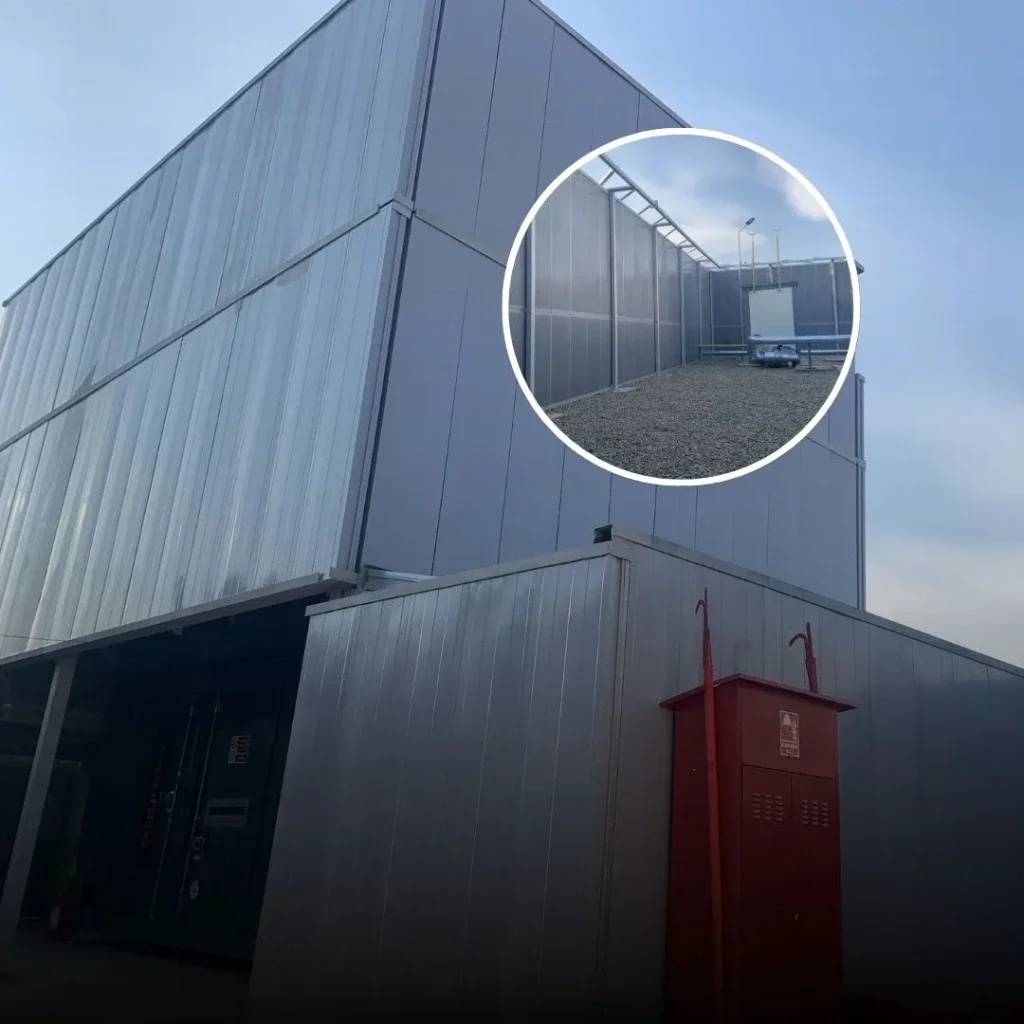
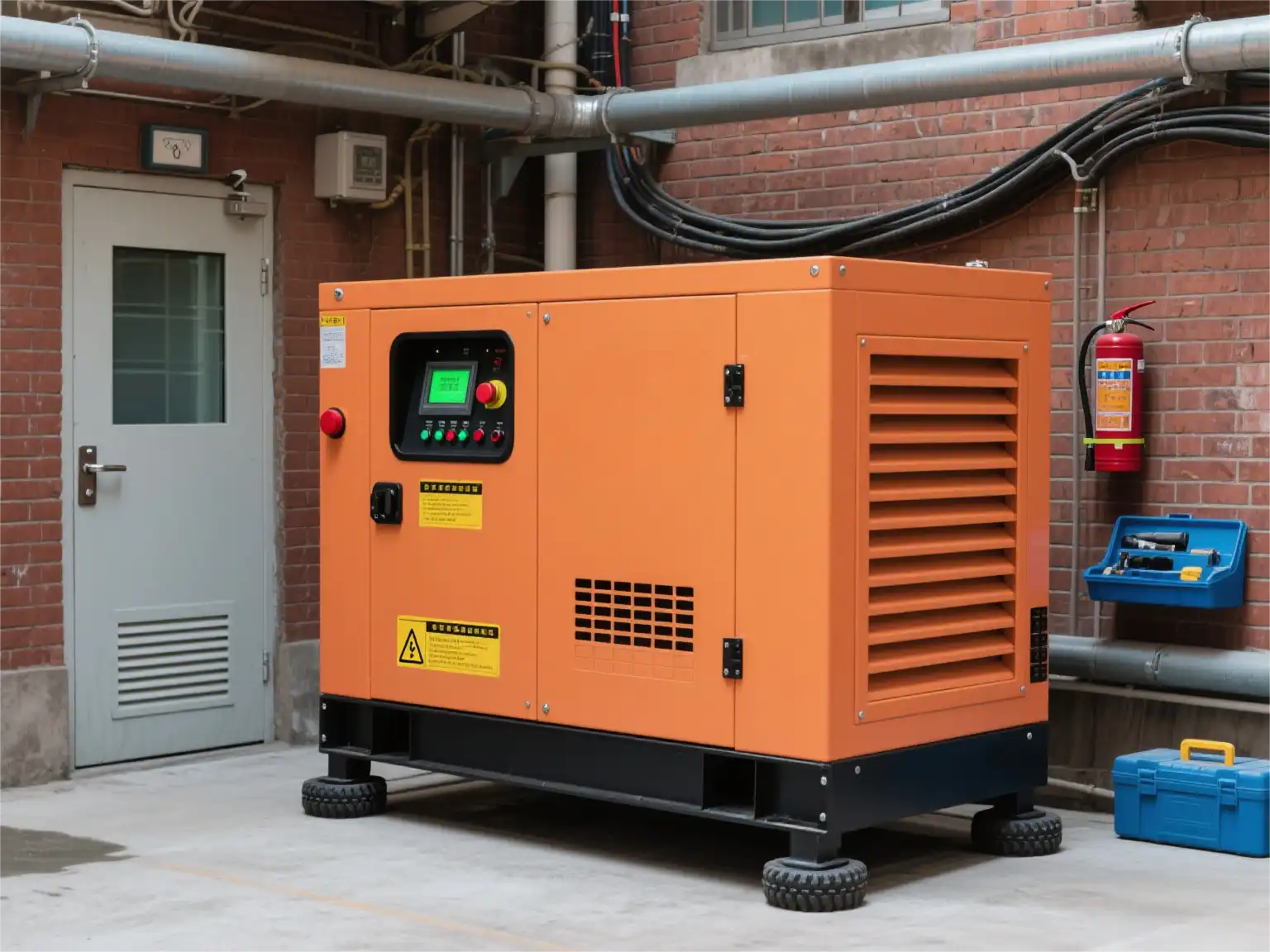
Generator enclosures play a key rolein reducing noise from generators. They act as a barrierto sound, making the environment quieter and safer. These enclosures help protect the generator and reduce noise pollution.
Material Types
Enclosures are made from different materials, each affecting noise reduction differently. Steelis strong and blocks sound well. Aluminumis lighter but still cuts down noise. Composite materialsoffer good sound absorption. Choosing the right material depends on the need for durabilityand noise control.
Design Features
- Soundproof insulationinside walls helps absorb noise.
- Sealed doorsprevent sound leaks.
- Ventilationis designed to reduce noise without overheating.
- Vibration damperslower the noise from engine shaking.
Noise Reduction Capabilities
Generator enclosurescan reduce noise by 10 to 25 decibels. This range depends on the enclosure’s design and materials used. A reduction of 10 dB halves the noise power, making it much quieter.
Real-world tests show noise levels drop significantly. For example, a generator producing 85 dB can be reduced to around 60-70 dB. This makes it easier to work near the generator without discomfort.
| Noise Level Without Enclosure (dB) | Noise Level With Enclosure (dB) | Approximate Reduction (dB) |
|---|---|---|
| 85 | 60-70 | 15-25 |
| 90 | 65-75 | 15 |
| 80 | 60-70 | 10-20 |

Credit: www.zombiebox.com
Testing And Measurement Methods
Sound level metersare tools to measure noise levels from generator enclosures. They capture the loudness in decibels (dB). These meters help check how much noise is reduced. Testing usually happens at different points around the generator.
Testing standardsguide how to measure noise correctly. They set rules for distance, environment, and meter placement. Common standards include ISO and ANSI. Following these standards ensures results are fair and reliable.
| Standard | Purpose | Key Points |
|---|---|---|
| ISO 3744 | Determines sound power levels | Measures in free field, multiple points |
| ANSI S1.4 | Specifies sound level meter performance | Defines accuracy classes and calibration |
Additional Noise Control Techniques
Vibration isolationhelps reduce noise by stopping vibrations from moving. It uses special pads or mounts that absorb shaking. This stops noise from traveling through floors or walls. Machines stay quieter and cause less disturbance.
Sound barriersblock noise by creating a wall between the source and listener. These barriers can be made from heavy materials like concrete or thick panels. They reflect and absorb sound waves, lowering noise levels. Barriers work well outdoors or around noisy equipment.
Choosing The Right Enclosure
Choosing the right enclosure helps reduce generator noiseeffectively. The enclosure must fit the size and powerof the generator. A small enclosure for a large generator will not block enough sound. A large enclosure for a small generator may cost more and take up space.
Environmental factors matter a lot. Noise levels depend on location, nearby buildings, and wind direction. Enclosures with sound-absorbing materialswork best in noisy areas. Weather conditions like rainor snowneed a weatherproofenclosure.
- Match enclosure size to generator power output.
- Choose materials that absorb or block sound.
- Consider weather protection for outdoor use.
- Think about placement near homes or offices.
Maintenance For Noise Control
Sealing and insulation in a generator enclosure block noise from escaping. Check seals often for cracks or gaps. Replace any worn or damaged insulation to keep sound levels low. Good sealing stops noise from leaking out.
Regular servicing keeps the generator running quietly. Clean parts reduce friction noise. Tighten loose parts that may rattle. Lubricate moving parts to cut down mechanical sounds. A well-maintained generator means less noise pollution.
Credit: www.whjlmech.com
Frequently Asked Questions
How Much Noise Does A Generator Enclosure Reduce?
A generator enclosure can reduce noise by 10 to 25 decibels. This significantly lowers operational sound, making it quieter and less disruptive. The exact reduction depends on enclosure design, materials, and generator size. Enclosures help protect hearing and reduce noise pollution in residential and commercial areas.
What Factors Affect Noise Reduction In Generator Enclosures?
Noise reduction depends on enclosure material, thickness, insulation, and ventilation design. Proper sealing and sound-absorbing liners improve effectiveness. Larger, heavier materials block more noise. Ventilation openings can reduce noise control if not properly designed. Quality enclosures balance airflow with noise dampening for optimal performance.
Can Generator Enclosures Eliminate All Operational Noise?
No, enclosures cannot eliminate all noise but significantly reduce it. Some sound escapes through ventilation and exhaust systems. Enclosures minimize noise to safer levels but cannot make generators completely silent. Additional noise control measures may be needed for extremely quiet environments.
Why Is Noise Reduction Important For Generator Enclosures?
Noise reduction improves comfort and safety around generators. It protects workers and residents from harmful noise exposure. Lower noise levels reduce complaints and comply with local regulations. Effective noise control enhances generator usability in noise-sensitive areas like hospitals or schools.
Conclusion
Generator enclosures can cut noise by up to 20-30 decibels. This makes a big difference in loudness. Quieter generators protect your ears and keep neighbors happy. They also help you work or relax without distraction. Choosing the right enclosure depends on your generator size and location.
Investing in noise reduction improves comfort and safety. Quiet power is possible with the right enclosure.