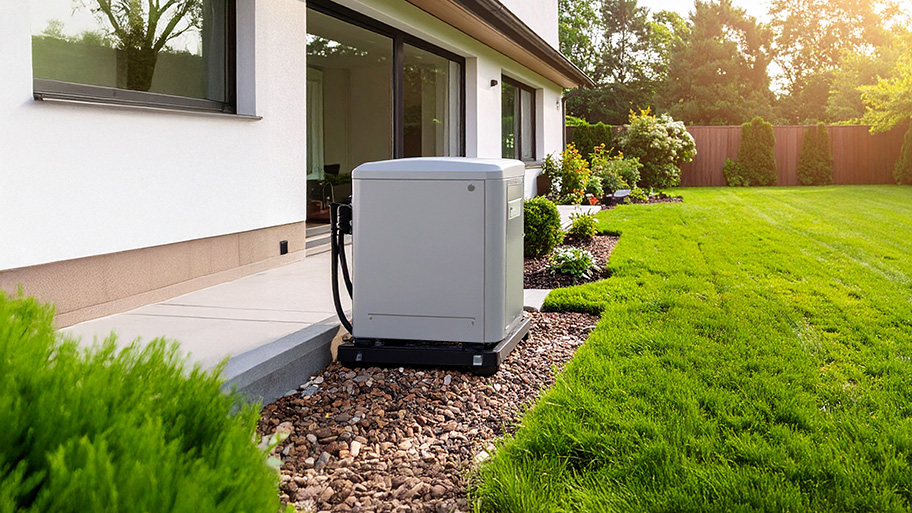
Are you considering installing a standby generator for your home or business? It’s a smart move to ensure you never face the inconvenience of a power outage again.
But before you take the plunge, there’s a crucial question you need to answer: “How much room do I need around a standby generator? ” Getting this right is vital for safety, efficiency, and performance. Imagine this: the lights go out during a storm, but your home remains a bright, comfortable oasis.
This is the peace of mind a standby generator offers. However, to achieve this seamless experience, you must ensure it has enough space to breathe and function properly. Without the right clearance, you could face operational hiccups or even safety hazards. We will unravel the mystery of generator placement and spacing. You’ll learn how to create the perfect setup to keep your generator running smoothly, ensuring your home stays powered when it matters most. Keep reading to find out how to maximize your generator’s efficiency and safeguard your investment.

Credit: www.generac.com
Generator Clearance Basics
Standby generatorsneed space for safety and proper work. They should have enough distance from buildings and walls.
A good rule is to keep at least 3 feetbetween the generator and any structure. This space helps air flow and stops heat build-up.
| Placement | Recommended Clearance |
|---|---|
| Side and Rear | Minimum 3 feet from walls or fences |
| Height and Overhead | Clear space above to avoid roof or tree contact |
Keep the area around the generator free from low branches or wires. This prevents damage and fire risks.
Safety Regulations And Codes
Local building codesset the minimum distance for standby generators from walls and property lines. These rules help ensure proper airflow and reduce fire risks. Many areas require at least 3 feet of clearancearound the unit.
Manufacturer guidelinesprovide specific spacing instructions. Following these ensures the generator works safely and lasts longer. Always check the user manual for exact measurements.
Fire safety standardsinfluence placement to prevent accidents. Generators must be away from flammable materials and have clear access for emergency personnel. Sometimes, extra space is needed for ventilation and cooling.
| Requirement | Recommended Distance |
|---|---|
| Local Building Codes | 3 feet minimum clearance |
| Manufacturer Guidelines | Check specific manual instructions |
| Fire Safety Standards | Away from flammable materials; clear emergency access |
Ventilation And Airflow Needs
Standby generatorsneed enough space for ventilationto work well. This stops the generator from overheating, which can cause damage or stop it from working.
Air must flow freely around the generator to keep it cool. Leave at least 3 feetof clearance on all sides. This space lets hot air escape and fresh air enter.
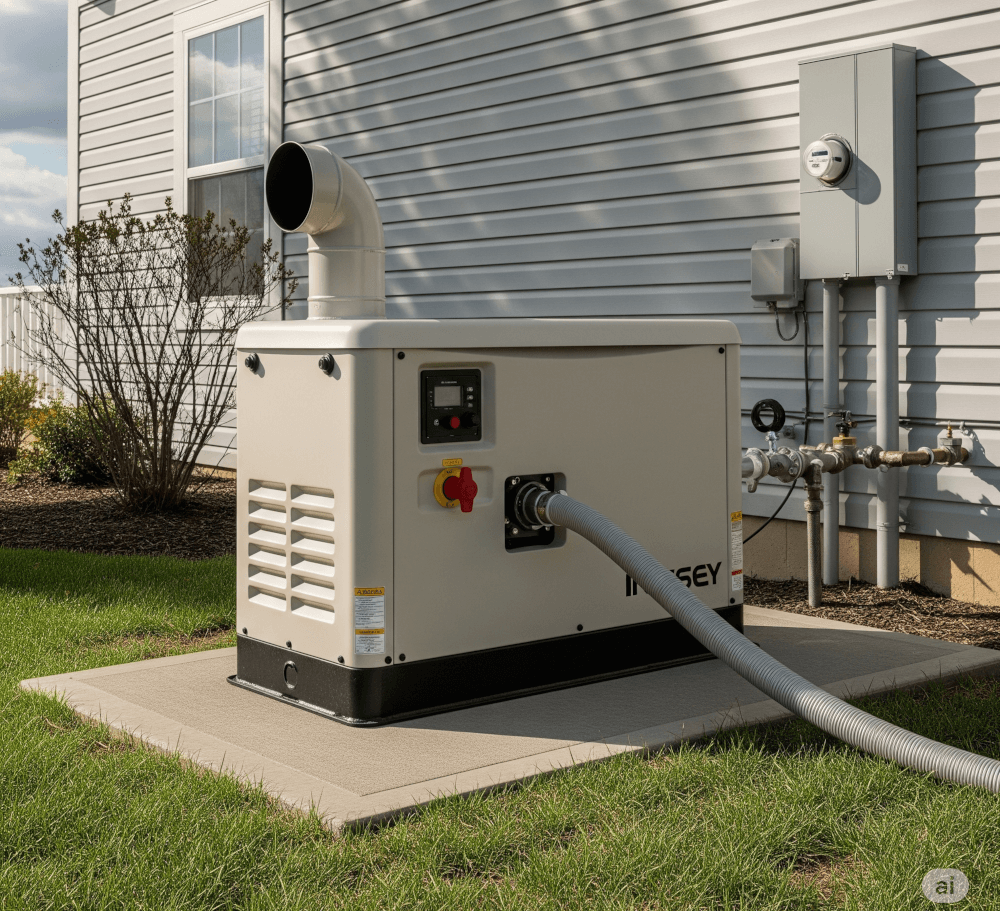
Exhaust gases must be moved away safely. The generator’s exhaust contains harmful gases, including carbon monoxide. Make sure the exhaust points away from doors, windows, and vents. This helps stop dangerous fumes from entering your home.
- Keep the exhaust pipe clear and unobstructed.
- Check local rules for exhaust placement.
- Use a carbon monoxide detector inside the house.
Accessibility For Maintenance
Leave enough space around the generator for routine checks. This space helps technicians easily reach all parts for inspection. A clearance of about 3 feetis often recommended. It allows for quick visual checks and simple maintenance tasks.
Emergency access is critical. Clear paths must be kept free of obstacles. This ensures fast response in case of a problem. Make sure doors and panels can open fully without hindrance.
Tools and equipment need room too. Keep a clear areanear the generator for tool storage and setup. This space helps workers perform repairs or replacements without hassle.
| Requirement | Recommended Space |
|---|---|
| Routine Checks | 3 feet clearance |
| Emergency Access | Clear, obstacle-free path |
| Tools and Equipment | Space for setup and storage |
Landscaping And Environmental Factors
Keep vegetationat least 3 feet away from the generator. This prevents fire hazardsand allows proper airflow. Trim trees and bushes regularly to avoid leaves or branches touching the unit.
Good drainage is important to stop water from pooling near the generator. Place the generator on a stable, level surfacelike concrete or gravel. Avoid soft ground or slopes that can cause the unit to tilt or sink.
Noise can be an issue for neighbors and family. Use natural or man-made barriers to reduce sound. Plants, fences, or wallscan help block and absorb noise from the generator.
Credit: www.jackery.com
Space Planning Tips
Measure the space where you want the generator carefully. Leave at least 3 feet of clearanceon all sides for airflow and safety. Check local codes for exact distance requirementsfrom buildings and property lines.
Think about your future needs. If you plan to add more equipment, leave extra room. This helps avoid moving the generator later.
Try to balance space and looks. You want the generator hidden but still easy to reach. Use fences or plants to keep it out of sight without blocking airflow or access.
Credit: bostonapartments.com
Frequently Asked Questions
How Much Clearance Is Required Around A Standby Generator?
Typically, a minimum of 3 feet clearance is required on all sides of a standby generator. This space ensures proper ventilation, reduces fire risks, and allows for maintenance access. Always check local codes as requirements may vary by location.
Why Is Space Important Around A Standby Generator?
Adequate space prevents overheating and ensures proper airflow for safe operation. It also reduces noise impact and allows technicians to service the generator easily. Proper clearance helps maintain the generator’s efficiency and longevity.
Can I Place A Generator Too Close To My House?
Placing a generator too close can cause carbon monoxide buildup and noise issues. It is recommended to keep at least 5 feet away from any building openings, windows, or doors to ensure safety and proper ventilation.
How Far Should A Generator Be From Flammable Materials?
Generators should be at least 5 feet away from flammable materials to prevent fire hazards. This clearance minimizes risks from sparks or heat generated during operation, promoting a safer environment around the generator.
Conclusion
Keeping enough space around your standby generator is very important. It helps the generator work safely and cools it down. At least three feet of clear area is usually needed. This space stops fire risks and lets air flow well.
Proper room also makes maintenance easier. Always check your generator’s manual for exact space rules. Safe distance means your generator runs better and lasts longer. Don’t skip this simple step. It protects your home and ensures power when you need it most.
Safety first, always.