Are you curious about where your electricity bill dollars really go? Understanding the cost breakdown can feel like cracking a complex code.
But here’s something that might surprise you: a significant chunk is spent on something called standby power generation. This is particularly true in Texas, a state known for both its energy production and unpredictable weather. So, how much do Texas electricity producers actually spend on this invisible yet crucial part of your power supply?
You’ll uncover the numbers, the reasons behind them, and what it all means for your wallet. Stick around because this could change the way you look at your energy costs forever.
Texas Electricity Market Basics
The Texas electricity market has many key players. These include power generators, retailers, and grid operators. Generators produce electricity using different fuels like natural gas, coal, and renewables. Retailers sell electricity to homes and businesses. The grid operator makes sure power flows smoothly and stays stable.
Standby powermeans electricity that is ready but not always used. It is kept available to meet sudden spikes in demand or emergencies. Keeping standby power costs money. Power producers spend on keeping plants ready even if they don’t run all the time. This helps avoid blackouts and keeps power reliable. It is a safety net for the whole system.

Credit: www.energycentral.com
What Is Standby Power Generation
Standby power generationmeans keeping power plants ready to produce electricity quickly. It helps meet sudden changes in electricity demand. Power producers spend money to keep these plants available even when not in use.
The purposeis to ensure reliable electricity supply. If demand rises or other plants fail, standby power fills the gap. It prevents power outages and keeps the grid stable.
There are different types of standby power sources:
- Gas turbines:Start fast and produce power quickly.
- Diesel generators:Used for emergency backup and quick power.
- Hydropower plants:Can increase output rapidly when needed.
- Battery storage:Stores energy and releases it instantly.
Cost Breakdown Of Standby Power
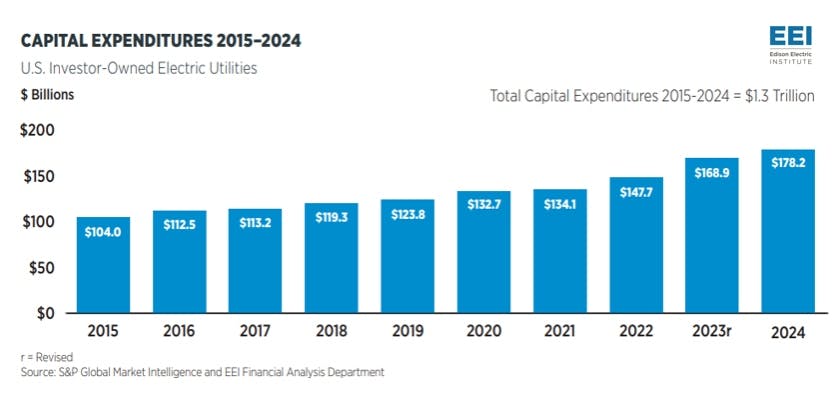
Texas electricity producers spend significant amounts maintaining standby power to ensure reliable energy during peak demand. These costs cover fuel, maintenance, and staffing needed to keep backup systems ready at all times.
Fixed Vs Variable Costs
Fixed costsinclude expenses that do not change, such as equipment maintenance and staffing. These costs must be paid even if the power is not used.
Variable costsdepend on how much standby power is produced. These include fuel and operational expenses. More power means higher variable costs.
Impact On Overall Expenses
Standby power costs affect the total spending of electricity producers. Fixed costs keep expenses stable, but variable costs can rise during high demand. Balancing both helps control budgets.
Recent Spending Trends In Texas
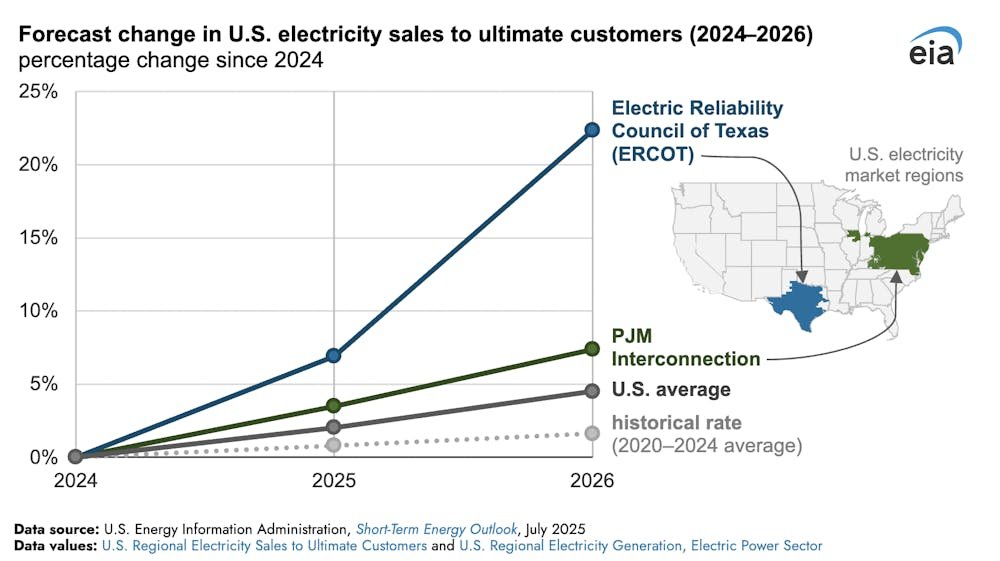
Texas electricity producershave spent more on standby power over recent years. This cost rise reflects growing demand for reliable energyduring peak times. Standby power means extra power ready to use if needed.
Costs have increased due to:
- Higher fuel prices for backup generators
- Maintenance of old power plants
- Investment in new technologies to meet regulations
- More frequent extreme weather events
| Year | Expenditure (in million $) |
|---|---|
| 2020 | 150 |
| 2021 | 180 |
| 2022 | 210 |
| 2023 | 240 |
Economic Impact On Consumers And Producers
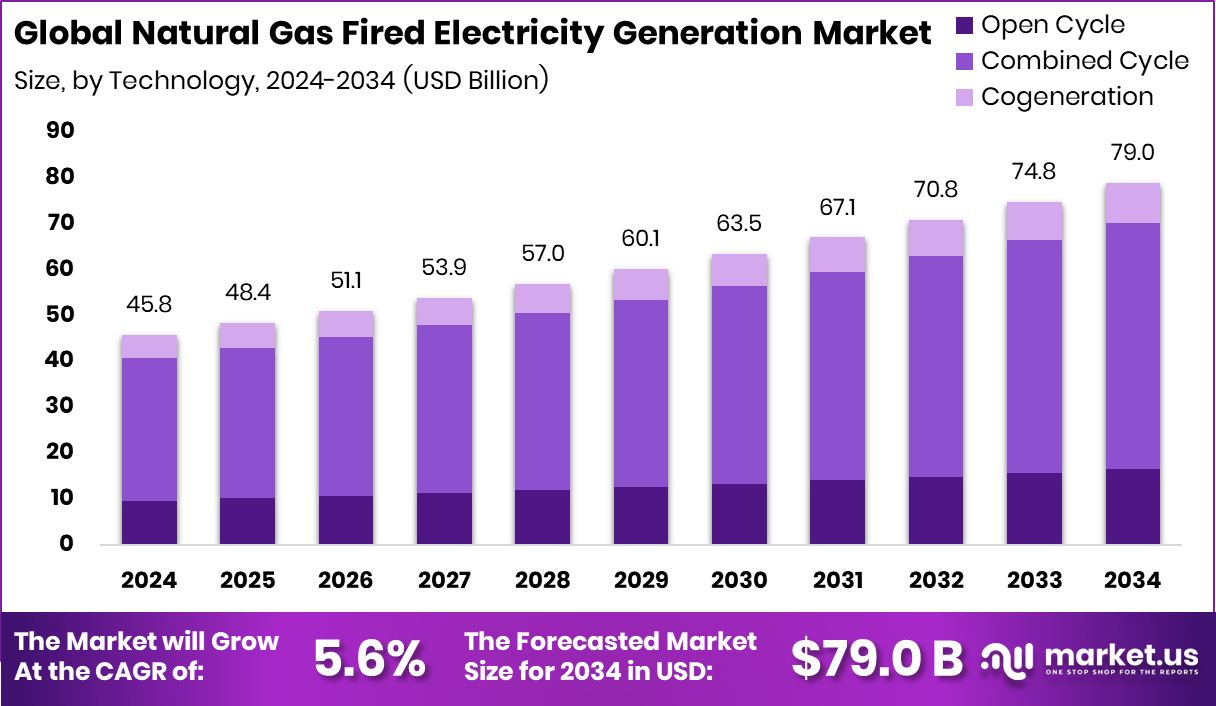
Texas electricity producers spend significant amounts on standby power to keep the grid stable. These costs can affect both consumer bills and producer profits. Managing standby power expenses is key for a balanced energy market.
Effects On Electricity Prices
Standby power generationcosts add to overall electricity prices. Producers must keep extra power ready, even when not used. This raises production costs. Consumers often pay more to cover these expenses. Electricity bills can become less predictable due to these costs. Some areas see higher price spikes during peak demand times. This cost is shared by all consumers, not just heavy users.
Financial Strain On Producers
Producers face high expensesto maintain standby power plants. These plants use fuel and need regular upkeep. Money spent on standby power reduces funds for new projects. Smaller producers feel this strain more than larger ones. It can limit investments in cleaner, cheaper energy sources. Financial pressure may lead to higher prices or less reliable service.
Credit: market.us
Standby Power And Grid Reliability
Standby powerhelps keep the electricity grid stable during high demand times. It acts like a backup, ready to supply power if the main sources fall short. This backup power is crucial for avoiding blackoutsand keeping homes and businesses running smoothly.
During peak demand, standby power producers spend money to keep these reserves ready. This spending ensures they can quickly add electricity to the grid. The extra cost helps balance supply and demandand supports the grid’s reliability.
Challenges include high costs to maintain standby plants that are rarely used. Also, these plants can produce more pollution compared to regular power plants. Sometimes, the grid operators must balance the cost of standby power with the need for clean energy and affordability.
Alternatives To Traditional Standby Power
Renewable energy sources offer cleaner ways to produce standby power. Solar panels and wind turbines can store energy for times when power demand is high. These sources reduce the need for fossil fuels and cut pollution.
Energy storage systems help keep power ready during outages or peak use. Batteries store electricity and release it quickly. They work well with renewable sources to provide steady power without waste.
| Option | Benefits | Challenges |
|---|---|---|
| Solar Panels | Clean, renewable, low operating cost | Depends on sunlight, initial cost high |
| Wind Turbines | Renewable, efficient in windy areas | Noise, location dependent |
| Batteries | Store energy, quick power release | Limited life span, cost |
Policy And Regulatory Influences
Texas electricity producers spend significant funds on standby power to meet regulatory demands. These costs ensure power availability during peak times and emergencies. Policy rules shape how much is invested in maintaining this backup capacity.
State And Federal Regulations
Texas electricity producersmust follow strict state and federal rules. These rules control how much power is kept ready but not used. They aim to keep the electric grid stable and safe. Producers spend money to stay ready for peak demand or emergencies. Regulations also require reporting and clear accountingof standby power costs. This adds to the overall expense but helps avoid blackouts.
Incentives And Penalties
Texas offers incentivesto producers who keep standby power efficient. These rewards can lower costs or boost profits. On the other hand, penalties apply if producers fail to meet reliability standards. Penalties encourage better performance and reduce waste. This balance of rewards and fines shapes how producers manage standby power expenses.
Future Outlook For Texas Electricity Costs
New technologyis helping Texas electricity producers save money. Smart grids and better batteries store power for use when needed. This reduces the need for standby powergeneration, which costs a lot.
Spending on standby power is expected to decreaseover the next years. More efficient methods will cut down wasted energy and costs. Producers plan to invest in clean and affordable energy sources.
| Year | Projected Spending on Standby Power (Million $) | Key Factors |
|---|---|---|
| 2024 | 120 | Basic storage and backup systems |
| 2025 | 95 | Improved battery tech and grid management |
| 2026 | 70 | Advanced renewable integration |
Credit: www.energycentral.com
Frequently Asked Questions
How Much Did Texas Producers Spend On Standby Power?
Texas electricity producers spent billions annually on standby power. These costs cover readiness to meet sudden demand surges or outages, ensuring grid reliability and preventing blackouts during emergencies.
Why Is Standby Power Important For Texas Electricity?
Standby power ensures Texas’s grid remains stable during peak loads or emergencies. It provides backup energy, preventing blackouts and supporting continuous power supply in extreme weather or unexpected demand spikes.
Which Factors Influence Standby Power Costs In Texas?
Standby power costs depend on fuel prices, infrastructure maintenance, and regulatory policies. Weather events and demand variability also impact expenses, as producers prepare for unpredictable electricity needs and grid stability.
How Does Standby Power Spending Affect Electricity Prices?
Higher standby power costs can increase electricity prices for consumers. Producers pass on expenses to maintain reliable supply, reflecting the investment needed for backup power capacity and grid security.
Conclusion
Texas electricity producers spent a significant amount on standby power generation. This spending ensures power supply during peak demand or emergencies. While it raises costs, it also keeps the grid stable and reliable. Balancing expenses with energy needs remains a challenge for producers.
Understanding these costs helps consumers see why electricity prices can vary. Future efforts may focus on reducing standby costs while maintaining safety. The topic shows how complex electricity management can be in Texas. It matters for everyone who uses power daily.