
Are you tired of unexpected power outages leaving your home in the dark? Imagine the peace of mind that comes with knowing your lights, appliances, and essential devices will keep running smoothly, no matter what.
Installing a home standby generator can be a game-changer for you. But one big question looms: how much does it really cost? Understanding the costs involved is crucial, and it’s not just about the price tag on the generator itself.
There are installation fees, maintenance costs, and other factors to consider. In this guide, we’ll break down everything you need to know, helping you make an informed decision that suits your budget and lifestyle. Dive in, and discover how investing in a home standby generator could be one of the smartest moves you make for your home.

Credit: aquariushomeservices.com
Factors Affecting Generator Cost
The size of the generatoraffects the total cost. Bigger generators offer more power but cost more. Choose a size that fits your home’s energy needs.
Fuel typealso matters. Common types include natural gas, propane, and diesel. Each fuel type has different prices and availability.
Installation complexitydepends on your home’s setup. Some places need extra work, like wiring or gas lines, which raises costs.
Many areas require permits and inspections. These fees vary and add to the final price.
Additional equipmentlike transfer switches, batteries, or enclosures may be needed. These add to both material and labor costs.

Credit: www.homestars.com
Average Price Ranges
Home standby generators come in different sizes to fit your needs. Prices vary by size and power.
| Generator Size | Power Output (kW) | Average Price Range |
|---|---|---|
| Small Generators | 5 to 10 kW | $2,000 – $5,000 |
| Mid-Size Generators | 10 to 20 kW | $5,000 – $10,000 |
| Large Generators | 20+ kW | $10,000 – $20,000+ |
Prices include equipment, delivery, and basic installation. Complex jobs can cost more.
Installation Cost Breakdown
Site preparationinvolves clearing space and leveling ground for the generator. This step costs between $300 and $1,000, depending on the site condition and size.
Electrical workincludes wiring, installing transfer switches, and connecting the generator to your home’s power system. This typically costs $500 to $2,000. It ensures safe and reliable power transfer.
Plumbing and fuel linesare needed if the generator runs on natural gas or propane. Installation of fuel lines can cost around $250 to $1,000. Proper setup is essential for fuel flow and safety.
Labor chargescover the time technicians spend installing and testing the system. Labor costs usually range from $500 to $1,500, depending on complexity and location.
Cost-saving Tips
Choosing the right sizefor your generator saves money and energy. A unit too big wastes fuel and costs more. Too small leaves you without power when needed. Calculate your home’s power needs carefully before buying.
Bundling installation servicesoften reduces overall costs. Hiring one company for generator and electrical work can lower labor fees. It also helps avoid delays from multiple contractors.
Regular maintenancekeeps your generator running well. Simple tasks like oil changes and filter cleaning prevent costly repairs. A well-maintained unit lasts longer and works efficiently, saving money over time.
Financing And Incentives
Home standby generators can be expensive upfront. Loan optionshelp spread out the cost over time. Many banks and credit unions offer loans with low interest rates for home improvements.
Tax creditsmay reduce the total cost. Some states and federal programs provide credits for installing energy-efficient generators. These credits lower your tax bill.
Manufacturer rebatesare another way to save money. Some companies offer cash back or discounts during special promotions. Check with the dealer before buying to see if rebates are available.
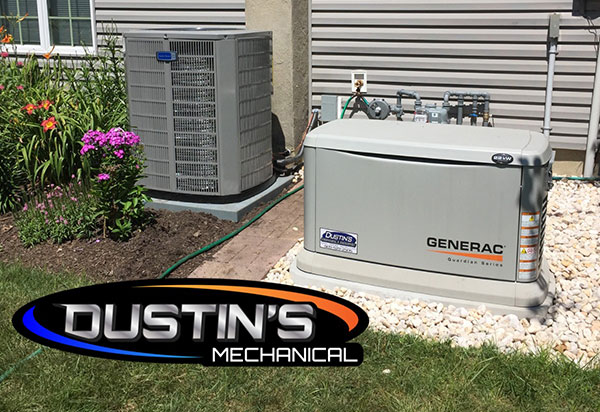
Credit: dustinsmechanical.com
Common Installation Challenges
Site restrictionscan limit where a standby generator is placed. Space may be tight near the house or in the yard. Local rules might stop installation near property lines, wells, or septic tanks. Clearances from windows and doors are often required for safety.
Weather considerationsaffect generator performance and durability. The unit should be protected from heavy rain, snow, and strong winds. Proper drainage around the generator helps avoid water damage. Some areas need shelters or enclosures to shield the equipment.
Noise regulations set limits on how loud a generator can be. Many neighborhoods have rules about noise levels during day and night. Installing sound barriers or choosing a quieter model may be needed to meet these rules.
Frequently Asked Questions
How Much Does A Home Standby Generator Cost?
A home standby generator typically costs between $3,000 and $7,000. Installation fees range from $2,000 to $5,000. Overall, expect to pay $5,000 to $12,000 for a complete setup, depending on generator size and home requirements.
What Factors Affect Home Generator Installation Cost?
Costs depend on generator size, fuel type, electrical panel upgrades, and installation complexity. Labor rates and local permits also influence the total price. Larger homes usually require bigger generators, increasing both equipment and installation expenses.
How Long Does Installing A Standby Generator Take?
Installation usually takes one to three days. Time varies with home size, site preparation, and electrical work complexity. Proper inspection and testing are essential before finalizing the installation.
Are There Maintenance Costs For Home Standby Generators?
Yes, regular maintenance is crucial. Annual service may cost $200 to $400. Routine checks ensure reliability and extend the generator’s lifespan, preventing costly repairs.
Conclusion
Installing a home standby generator is a smart choice for power backup. Costs vary based on size, brand, and installation needs. Knowing these factors helps you plan your budget well. A reliable generator keeps your home safe during outages. Consider your power needs carefully before deciding.
Proper installation ensures long-term performance and safety. Take time to compare prices and services from local providers. This way, you get the best value for your money. Stay prepared and enjoy peace of mind with steady power supply.