
Are you tired of power outages disrupting your daily life? Imagine never having to worry about losing electricity again.
Installing a standby generator could be the solution you need. But, how much should you expect to pay for this peace of mind? Understanding the costs involved can feel overwhelming. You might wonder if it’s worth the investment or if there are hidden fees lurking around the corner.
You’re not alone in these concerns. We’ll break down the costs associated with installing a standby generator so you can make an informed decision. Stick around to discover what factors influence the price and how you can ensure the best value for your money. Don’t let uncertainty hold you back from securing your home and your comfort.
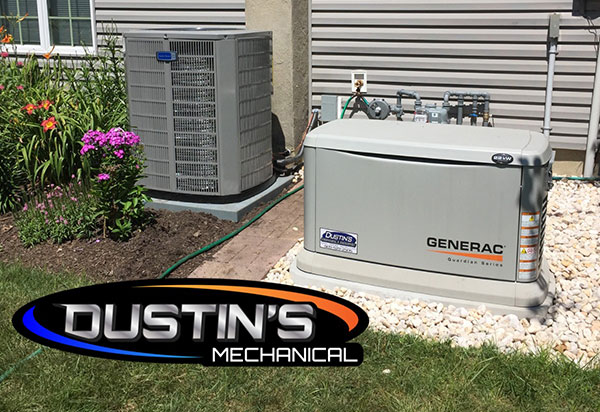
Credit: dustinsmechanical.com
Factors Affecting Generator Cost
Generator sizeand power outputdirectly affect cost. Bigger generators supply more power but cost more. Smaller units are cheaper but may not run all devices.
Fuel typeimpacts both price and running costs. Common fuels include natural gas, propane, and diesel. Some fuels are cheaper but may need more maintenance.
Installation complexityvaries. Easy setups cost less. Complex jobs with wiring, transfer switches, or extra work cost more. Location and access affect this too.
Permits and regulationscan add to expenses. Local rules may require inspections or special permits. Fees vary by area and must be included in the budget.
Average Price Range For Standby Generators
The cost to install standby generatorsvaries by size and use. Small residential generators usually cost between $2,000 and $5,000. These units power basic home needs during outages.
Medium to large residential units range from $5,000 to $10,000. They support more appliances and larger homes with ease. Installation can be more complex.
Commercial generators are much larger and cost $10,000 to $30,000 or more. They provide power for businesses and critical operations. Installation often needs special permits and professionals.
| Type | Price Range | Use |
|---|---|---|
| Small Residential | $2,000 – $5,000 | Basic home power needs |
| Medium to Large Residential | $5,000 – $10,000 | Larger homes, more appliances |
| Commercial | $10,000 – $30,000+ | Businesses and critical systems |
Installation Cost Breakdown
Site preparationincludes clearing and leveling the area. It may also involve installing concrete pads or gravel for stability.
Electrical workcovers wiring the generator to your home’s electrical system. This ensures safe and reliable power transfer during outages.
Permitting feesvary by location. Local permits are often required to comply with safety codes and regulations.
Labor chargesdepend on the complexity and time needed for installation. Skilled technicians handle all tasks to guarantee proper setup.
Additional Expenses To Consider
Maintenance and service plans help keep your generator working well. Regular check-ups catch small problems early. Plans can cost between $200 and $500yearly, depending on coverage. These plans may include oil changes, filter replacements, and inspections.
Fuel storage is another key expense. Generators often need propane, natural gas, or diesel. You might need a tank or a delivery plan for fuel. Costs vary based on fuel type and amount stored.
Warranty and extended coverage protect your investment. Basic warranties usually last 1 to 2 years. Extended warranties offer extra years and more coverage. Prices depend on the generator model and warranty length.
Ways To Save On Installation
Choosing the right generator sizesaves money on installation and energy. A generator too big costs more upfront and runs inefficiently. A smaller one may not power all your needs, causing issues during outages. Calculate your home’s power needs to pick the best size.
Bundling purchase and installationoften offers discounts. Many dealers give lower prices if you buy the generator and hire their installers together. This reduces paperwork and can lower overall costs.
- Check installer experience.Skilled installers work faster and avoid costly mistakes.
- Ask about warranties.Experienced installers usually provide better service guarantees.
- Compare quotes.Multiple bids help find the best price for quality work.
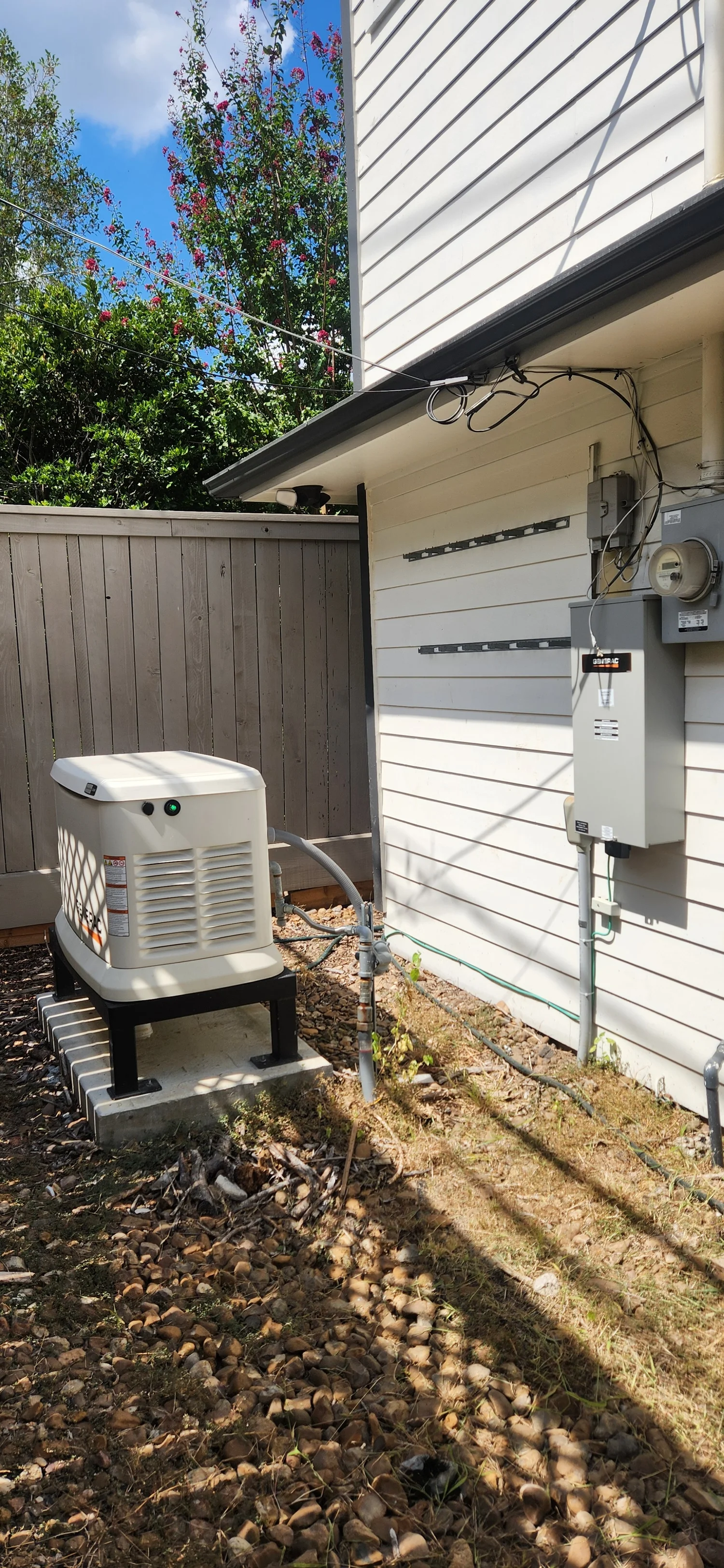
Credit: www.arielicustomhomes.com
Financing And Incentives
Many people use loan optionsto pay for standby generators. Loans can make the cost easier to handle. Some loans have low interest rates. Others offer flexible payment plans. Always check loan terms carefully before deciding.
Tax credits and rebateshelp reduce the overall cost. Some governments offer tax credits for energy-saving devices. Rebates may be available from local utilities. These incentives lower the price you pay upfront.
Energy efficiency programsoften support standby generator installation. These programs may give discounts or special financing. They encourage use of efficient and clean energy products. Participation can save money and benefit the environment.
Common Installation Challenges
Site accessibilitycan affect the cost and time of generator installation. Narrow paths, steep slopes, or lack of a driveway make it hard to bring equipment and materials close to the installation spot. This may require extra labor or special tools.
Checking the electrical system compatibilityis important. Older homes might have outdated panels or wiring that need upgrades. This adds to the overall installation cost and time.
Weather and environmental factorsplay a big role too. Rain, snow, or extreme heat can delay work or require special safety measures. Soil type and terrain can also affect how the generator is placed and secured.

Credit: www.angi.com
Preparing For A Smooth Installation
Selecting the right location is vital for a standby generator. It should be placed where it gets enough air and is not too close to windows or doors. The spot must be flat and solid to hold the heavy generator safely.
Gather all required documents before installation. This includes permits from local authorities and any paperwork from your utility company. Having these ready speeds up the process and avoids delays.
| Task | Expected Time |
|---|---|
| Site Inspection | 1-2 days |
| Permit Approval | 1-3 weeks |
| Installation Work | 2-5 days |
| Final Testing | 1 day |
Scheduling should consider permit wait times and contractor availability. Plan for some extra days for unexpected delays. Clear communication with the installer helps keep the timeline smooth.
Frequently Asked Questions
How Much Does Standby Generator Installation Cost?
Standby generator installation typically costs between $3,000 and $10,000. The price varies based on generator size, complexity, and labor fees. Additional costs include permits and electrical upgrades. Getting multiple quotes helps find the best price for your specific needs.
What Factors Affect Standby Generator Installation Price?
Installation costs depend on generator capacity, fuel type, and site preparation. Electrical panel upgrades and permit fees also impact the total price. Location and labor rates influence costs. Proper assessment ensures accurate pricing.
How Long Does It Take To Install A Standby Generator?
Installation usually takes one to three days. Time varies based on generator size, site conditions, and electrical work complexity. Scheduling and inspections may add extra days.
Are There Additional Costs Beyond Installation For Standby Generators?
Yes, extra costs include permits, electrical upgrades, and fuel system setup. Maintenance and warranty plans add ongoing expenses. Budgeting for these helps avoid surprises.
Conclusion
Installing a standby generator is a smart choice for power backup. Costs vary based on size, brand, and installation needs. Planning your budget helps avoid surprises during the project. Consider long-term benefits like safety and convenience. Choosing a reliable installer ensures quality work and peace of mind.
Remember, a standby generator keeps your home powered during outages. This investment offers comfort and security when you need it most. Take time to compare prices and services before deciding. A well-chosen generator can serve your home for many years.