Ever wondered how an NG standby generator springs to life and powers your home when the lights go out? You’re not alone.
Many people rely on these powerful machines without really understanding the magic behind them. Imagine having a reliable source of electricity at your fingertips during those unexpected power outages. With an NG standby generator, you can keep your life running smoothly without missing a beat.
This article will unravel the secrets of how these generators work, so you can feel confident and prepared the next time you need to rely on one. Dive in to discover the inner workings of your NG standby generator and learn how it transforms natural gas into the energy that powers your world.
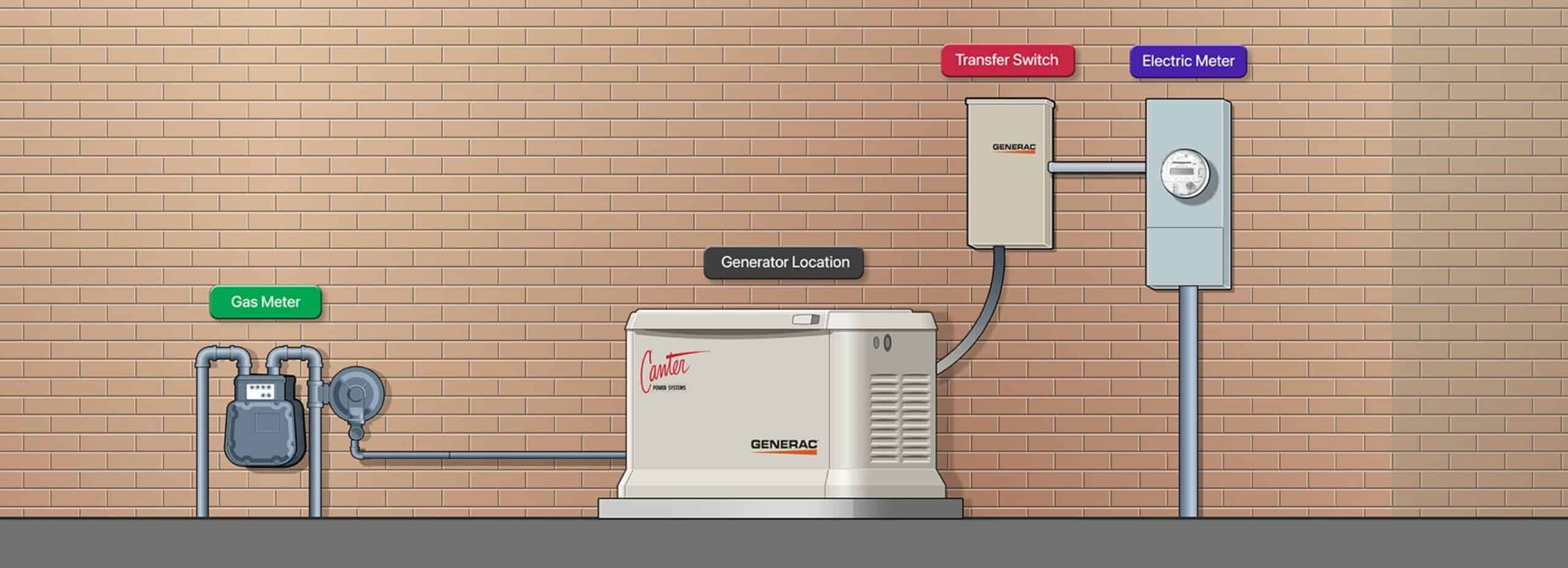
Credit: canterpowersystems.com
Basics Of Ng Standby Generators
An NG standby generatoruses natural gas to create electricity. It acts as a backup power source during outages.
Key components include:
- Engine:Runs on natural gas to produce mechanical power.
- Alternator:Converts mechanical power into electrical power.
- Automatic transfer switch (ATS):Detects power loss and starts the generator.
- Control panel:Monitors and controls generator functions.
- Fuel system:Supplies natural gas to the engine.
Unlike other generators, NG standby generators connect directly to natural gas pipelines. This ensures a steady fuel supply without refilling. They start automatically and provide seamless power backup. Diesel or gasoline generators need manual refilling and more maintenance. NG standby generators are cleaner and quieter too.
Fuel And Combustion Process
Natural gasis the main fuel for many standby generators. It is clean and easy to store in pipelines. This fuel flows continuously to the generator’s engine through a fuel delivery system. The system controls the gas amount to keep the engine running smoothly.
The combustion processstarts when natural gas mixes with air inside the engine. The mixture ignites, creating a small explosion. This explosion pushes the engine’s pistons, which turn the generator’s rotor. The rotor then produces electricity.
- Natural Gas:Clean, reliable fuel source
- Fuel Delivery:Controls gas flow to engine
- Combustion:Gas and air mix, ignite, create power
- Engine Movement:Pistons move, rotor spins
- Electricity Generation:Rotor creates electric current
Power Generation Mechanism
The enginein an NG standby generator burns natural gas to create power. This process starts with fuel entering the engine. Then, the engine’s pistons move up and down quickly. This movement turns the crankshaft. The engine’s motion is the key to producing electricity.
The alternatorconnects to the engine’s crankshaft. It uses the engine’s spinning motion to generate electricity. Inside the alternator, magnets spin around coils of wire. This creates an electric current. This current is what powers your home or business.
The voltage regulatorcontrols the electricity’s flow. It keeps the voltage steady and safe. This prevents damage to devices and equipment. The regulator adjusts power output based on the load. This helps the generator work efficiently and reliably.
Automatic Operation And Controls
Automatic Transfer Switchshifts power from the main source to the generator fast. It senses power loss and acts immediately. This switch keeps electricity flowing without delay or manual work.
Control Panel Featuresshow the generator’s status clearly. It lets users start or stop the generator easily. The panel also shows warnings and fuel levels to keep things safe and smooth.
Remote Monitoringlets users check the generator from far away. It sends alerts if problems happen. This feature helps keep the generator ready and working at all times.
Installation And Maintenance
Choose a flat, dry area for the standby generator. Clear away any plants or debris nearby. Ensure good airflow for cooling. The site must be close to your main electrical panel. A concrete pad helps keep the generator stable and clean.
- Check oil levels and change oil every 6 months.
- Clean or replace air filters regularly.
- Test the battery and charge if needed.
- Run the generator monthly to keep it ready.
- Inspect fuel lines and connections for leaks.
Common problems include failure to start or low power output. Check the fuel supply and battery charge first. Look for clogged filters or dirty spark plugs. Listen for unusual noises during operation. Regular checks help catch issues early.

Credit: www.tatapower.com
Advantages Of Ng Standby Generators
Natural gas (NG) standby generatorsoffer several environmental benefits. They produce fewer emissions than diesel generators. This helps reduce air pollution and keeps the environment cleaner.
They also burn fuel more efficiently, using less energy to generate power. This means less waste and a smaller carbon footprint.
- Cost efficiencyis another advantage. Natural gas is often cheaper than other fuels.
- Generators need less maintenance, saving money over time.
- Longer engine life means fewer replacements and lower costs.
Reliabilityis key for standby power. NG generators start quickly during outages. They provide steady power without interruption. This makes them ideal for homes and businesses that need constant electricity.
Common Applications
Natural gas standby generators provide backup power for homes, businesses, and hospitals. They automatically turn on during outages to keep essential systems running smoothly. These generators convert fuel into electricity, ensuring continuous energy supply.
Residential Use
Standby generatorsprovide power during outages at homes. They keep lights, refrigerators, and heaters running. This helps families stay safe and comfortable. The generator starts automatically when power stops.
Commercial And Industrial Use
Businesses use standby generators to avoid loss of work and data. They power computers, lights, and machines. Factories keep production going without interruption. This saves money and time.
Emergency Situations
Emergency services rely on standby generators to keep critical systems active. Hospitals use them to power life-saving equipment. Fire stations and police use them for communication and operations. They ensure help is always available.
Credit: pleavinpower.co.uk
Frequently Asked Questions
How Does An Ng Standby Generator Work?
An NG standby generator automatically starts during power outages. It uses natural gas to power an engine. This engine drives an alternator that produces electricity. The system ensures continuous power by switching on within seconds of an outage.
What Fuels An Ng Standby Generator?
An NG standby generator runs on natural gas. Natural gas is a clean, efficient, and readily available fuel source. It connects directly to your home’s gas line, providing an uninterrupted fuel supply during outages.
How Quickly Does An Ng Standby Generator Start?
An NG standby generator typically starts within 10 to 30 seconds. It senses power loss and instantly activates. This fast response minimizes downtime and keeps essential appliances running.
Is An Ng Standby Generator Cost-effective?
Yes, NG standby generators save money by reducing outage losses. Natural gas is cheaper and cleaner than diesel or gasoline. Plus, automatic operation reduces manual intervention and maintenance costs.
Conclusion
Ng standby generators use natural gas to create power quickly. They start automatically during power outages to keep homes safe. The engine runs a generator that produces electricity without delay. This process ensures a steady power supply when the main grid fails.
Understanding how they work helps you see their value clearly. These generators offer reliable backup power with simple, clean fuel. They keep essential devices running smoothly and prevent disruptions. A good standby generator brings peace of mind during storms or blackouts.
Simple technology, big help.