Imagine the power goes out during a storm. Your lights flicker, your home falls silent, and you’re left in the dark.
But what if there was a way to keep your home lit and your appliances running smoothly? Enter the NG standby generator, your personal power hero. This incredible device stands ready, just waiting to leap into action the moment your main power source fails.
Are you curious about how it works? You’re about to discover the simple yet fascinating mechanics behind it. Understanding these can give you peace of mind and ensure your home stays powered, no matter what. Ready to dive in and learn how this power solution can be a game-changer for you? Let’s get started.
Basics Of Ng Standby Generators
Natural gas (NG) standby generatorsprovide power during outages. They run on natural gasstored in pipelines or tanks. The fuel flows to the generator engine for energy.
Fuel storagecan be a direct gas line or a large tank. The tank holds enough gas to keep the generator running for hours. Gas lines provide steady fuel without refilling.
- Fuel Source:Natural gas pipelines or storage tanks
- Storage Type:Underground or aboveground tanks
- Fuel Supply:Continuous flow from gas utility or stored gas

Credit: www.premium-electric.ca
Start-up Process
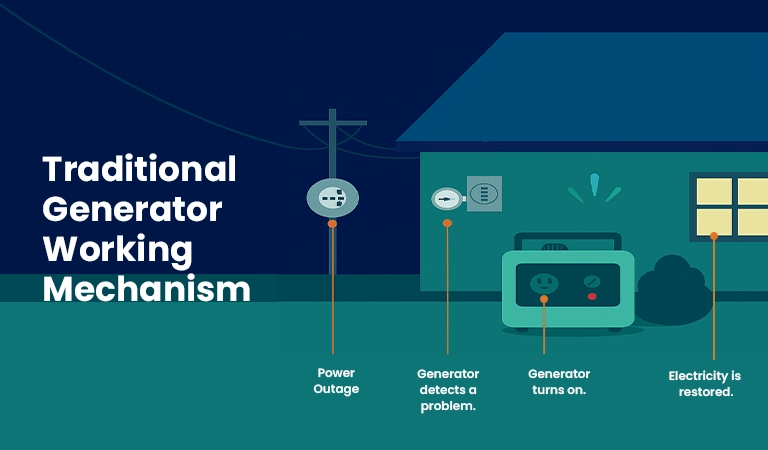
Automatic power detectionsenses when the main electricity fails. The generator’s control panel monitors the power supply constantly. Once it detects a power outage, it sends a signal to start the engine.
The engine ignition sequencebegins immediately after the signal. The starter motor cranks the engine to start combustion. Fuel and air mix inside the engine to create power. The engine runs smoothly to generate electricity. The transfer switch then moves the electrical load to the generator. This process happens quickly to reduce power loss.
Power Generation Mechanism
An NG standby generator runs by turning natural gas into power. The gas flows into an engine where it burns. This burning makes the engine move. The moving engine spins a generator. The generator then changes this motion into electricity. This process gives power to homes or buildings.
Voltage control is key in this system. The generator keeps the voltage steady. It does this by adjusting the engine speed. This prevents damage to electrical devices. The system uses sensors to check the voltage all the time. If voltage drops or rises, the generator fixes it fast.

Credit: wenproducts.com
Transfer Switch Functionality
The transfer switchcontrols power flow between the grid and the generator. It senses power loss from the main grid and signals the generator to start.
Once the generator runs, the transfer switch moves the power source from the grid to the generator. This switch happens quickly to keep power steady.
When grid power returns, the transfer switch shifts back to the grid and turns off the generator. This process ensures a seamless power supply.
- Detects power failure
- Signals generator to start
- Switches power source to generator
- Switches back to grid when power returns
- Prevents power overlap between sources
Cooling And Exhaust Systems
The cooling systemin an NG standby generator keeps the engine from getting too hot. It uses a fan and radiator to move heat away. Cool air passes through the radiator, lowering the engine temperature. This helps the generator run smoothly and last longer.
The exhaust systemremoves gases made during fuel burning. It sends these gases safely outside, away from people and buildings. The exhaust pipe and muffler reduce noise and stop harmful fumes.
| Heat Management | Emission Control |
|---|---|
|
|

Credit: www.angi.com
Maintenance And Testing
Routine checks keep the generatorready to work. Check the fuel leveloften. Inspect the oiland coolantlevels to avoid damage. Look for any leaksor wearon parts. Test the batteryvoltage and clean the terminals.
Load testing ensures the generator runs under real conditions. It helps find problems early. Connect a load bankor actual appliances to the generator. Run it for a set time to check performance. Watch for voltage dropsor strange noises. This test shows if the system can handle power needs.
| Routine Checks | Load Testing Procedures |
|---|---|
|
|
Common Issues And Troubleshooting
Starting failureshappen when the generator does not turn on. Common causes include a dead battery, faulty starter motor, or bad wiring. Check if the battery is charged and connections are tight. Inspect the starter for damage. Loose or corroded wires can stop the generator from starting.
Fuel supply problemsprevent the generator from running smoothly. Dirty or clogged fuel filters block the flow of fuel. Old or bad fuel can cause engine misfires. Check the fuel tank for enough clean fuel. Replace filters regularly and drain old fuel from the tank to avoid issues.
Advantages Of Ng Standby Generators
Natural gas standby generatorsoffer several environmental benefits. They produce lower emissionsthan gasoline or diesel generators. This means less air pollution and a smaller carbon footprint. Natural gas burns cleaner, reducing harmful gases like carbon monoxide and nitrogen oxides.
These generators also have cost efficiencyadvantages. Natural gas is usually cheaperthan other fuels. It is delivered through pipelines, so there is no need to store fuel onsite. This reduces fuel handling costsand storage risks. Maintenance costs are often lower because natural gas burns cleaner, causing less engine wear.
Frequently Asked Questions
What Triggers An Ng Standby Generator To Start?
An NG standby generator starts automatically when it detects a power outage. It uses sensors to monitor electricity supply continuously. Once the main power fails, the generator engages within seconds to provide backup power seamlessly.
How Does An Ng Standby Generator Supply Power?
The generator converts natural gas into mechanical energy. This energy turns the alternator, producing electricity. It supplies power directly to your home or building through a transfer switch during outages.
Is An Ng Standby Generator Fuel-efficient?
Yes, NG standby generators are fuel-efficient. Natural gas burns cleaner and more efficiently than diesel or gasoline. This results in lower fuel consumption and reduced emissions, making it an eco-friendly backup power option.
How Often Should An Ng Standby Generator Be Maintained?
Regular maintenance is essential for reliability. Schedule professional checkups at least once a year. Routine tasks include inspecting fuel lines, testing the battery, and running the generator under load to ensure optimal performance.
Conclusion
A natural gas standby generator keeps power flowing during outages. It starts automatically when electricity stops. Fuel from the gas line runs the engine smoothly. This system protects homes and businesses from dark moments. Easy to maintain and reliable, it offers peace of mind.
Understanding how it works helps you choose the right generator. A steady power supply matters. Stay prepared and avoid unexpected blackouts.