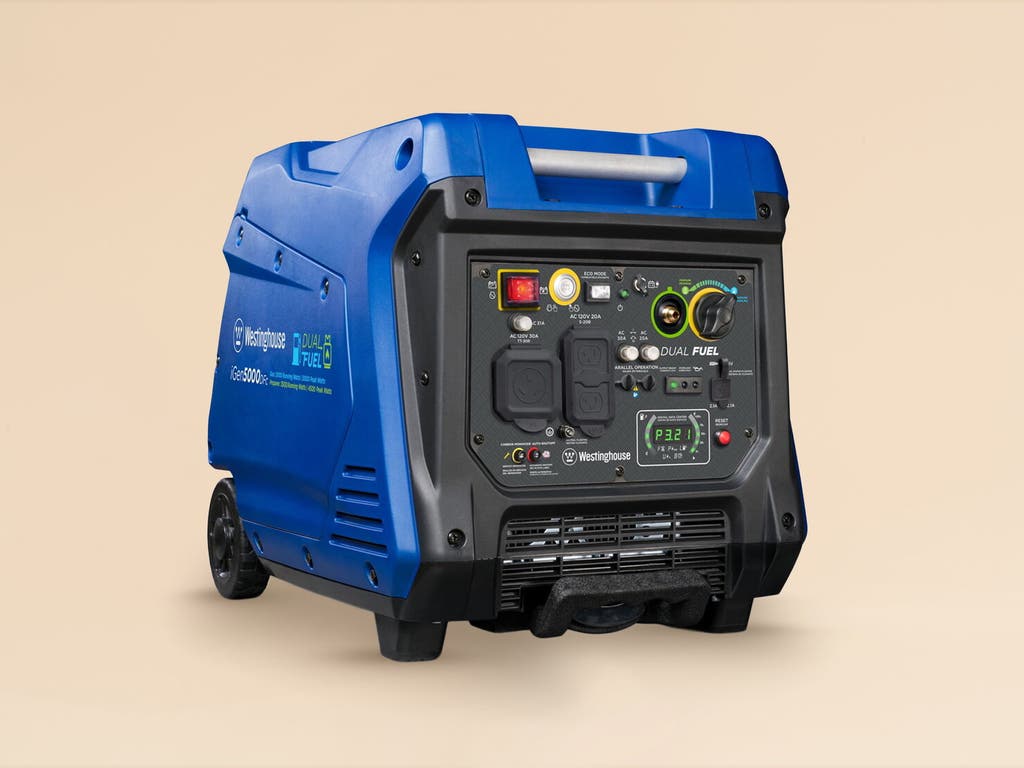
Are you thinking about getting a portable gas generator but worried about the noise it might make? You’re not alone.
Noise can be a big problem when choosing a generator, especially if you plan to use it at home, on camping trips, or during outdoor events. Understanding how noisy these generators really are can help you make the right choice and avoid unpleasant surprises.
You’ll discover what affects the noise levels of portable gas generators and how to find one that fits your needs without disturbing your peace. Keep reading to find out how to enjoy power without the loud buzz.
Noise Sources In Gas Generators
The engine operationis a major source of noise in portable gas generators. It creates loud sounds as it burns fuel and moves parts quickly. This noise can be sharp or deep, depending on the engine type.
The exhaust systemalso adds to the noise. Hot gases escape here with force, making a strong hissing or rumbling sound. Mufflers help reduce this noise but do not eliminate it completely.
Cooling fansspin fast to keep the engine cool. Their blades cut through the air, causing a constant whooshing or whirring noise. This sound stays steady while the generator runs.
Vibration and frame noisehappen as the engine shakes parts of the frame. These small movements create rattles and hums. Loose parts can make the noise worse.
Credit: www.nytimes.com
Typical Noise Levels
Portable gas generators usually produce noise levels between 50 and 70 decibels. This is similar to the sound of a vacuum cleaner or a busy street. Noise varies by model and distance from the generator.
Decibel Range For Portable Models
Portable gas generators usually produce noise between 50 and 70 decibels. This level is like a normal conversation or a vacuum cleaner. Quieter models run near 50 dB, which is easy on the ears. Louder ones can reach 70 dB, which can be distracting if close by. Noise depends on the engine size and design.
Comparison With Other Generators
| Generator Type | Noise Level (dB) | Noise Example |
|---|---|---|
| Portable Gas | 50 – 70 | Normal talk to vacuum cleaner |
| Standby | 60 – 75 | Normal conversation to busy street |
| Inverter | 40 – 60 | Quiet office to normal talk |
Impact Of Load On Noise
Noise increases as the generator’s load grows. More power means the engine works harder. This causes louder sounds. At low loads, noise stays lower and is less annoying. Running near full capacity can push noise close to the top range of 70 dB or more.
Measuring Generator Noise
A decibel metermeasures the loudness of portable gas generators. It shows how many decibels (dB) the noise reaches. This tool helps find out if the generator is too loud for your needs.
Testing conditions affect noise levels. Generators sound different when running at full loador half load. Also, the type of fuel and engine design can change noise output.
Distance matters. Noise is louder close to the generator and softer as you move away. The environment also plays a big role. Open spaces let sound spread, while walls or trees can block some noise.

Credit: www.amazon.ca
Noise Reduction Techniques
Soundproof enclosureshelp lower noise by wrapping the generator. These boxes absorb sound waves and stop noise from spreading. They keep the generator quiet and safe from weather.
Mufflers and exhaust modificationsreduce loud sounds from the engine. Special mufflers block and soften exhaust noise. Changing the exhaust pipe’s shape also cuts down noise.
Anti-vibration mountsstop shaking. They hold the generator steady and stop it from making extra noise from vibrations. These mounts protect the generator and make it run smoother.
Placement and barriersmatter. Putting the generator behind walls or thick fences blocks sound. Placing it far from people also cuts noise levels. Grass and bushes can help absorb sounds too.
Choosing A Quiet Generator
Inverter generatorsare usually quieter than conventional ones. They use advanced technology to control engine speed, which lowers noise. Conventional generators run at a constant speed, often making more noise.
Many manufacturers list noise levels in decibels (dB). This helps compare how loud each model is. Lower dB means quieter operation. Noise ratings usually range from 50 to 70 dB for portable gas generators.
| Generator Type | Typical Noise Level (dB) |
|---|---|
| Inverter Generator | 50 – 60 |
| Conventional Generator | 60 – 70 |
- User reviews often mention noise as a key factor.
- Many users prefer models that run quietly during camping or outdoor use.
- Some feedback highlights that actual noise may differ from ratings.
- Placing the generator on soft surfaces can reduce noise.
Credit: www.nytimes.com
Health And Safety Considerations
Hearing protectionis important when using portable gas generators. These machines often produce noise levels above 70 decibels, which can harm ears if exposed for long periods. Wearing earplugs or earmuffs helps reduce the risk of hearing loss.
Local noise rules vary by place. Many areas have limits on how loud generators can be. Check these rules before using one outdoors or near neighbors. This helps avoid fines and complaints.
Safe use of generators includes:
- Placing the generator away from living spaces.
- Keeping it on a flat, stable surface.
- Using it in well-ventilated areas to avoid gas buildup.
- Turning it off when not needed to reduce noise and fuel use.
Frequently Asked Questions
How Loud Are Portable Gas Generators Typically?
Portable gas generators usually produce noise levels between 50 to 70 decibels. This is similar to a vacuum cleaner or busy traffic. Noise varies by model, size, and load. Quieter models often include soundproofing features and mufflers to reduce noise.
What Factors Affect Portable Generator Noise Levels?
Noise levels depend on engine size, load, design, and muffler quality. Larger engines tend to be louder. Running at full load increases noise. Advanced mufflers and sound enclosures can significantly reduce operational sound levels.
Are Portable Gas Generators Quieter Than Other Types?
Portable gas generators are generally louder than inverter or diesel generators. Inverter models use advanced technology to minimize noise. Diesel generators can be quieter but often heavier and more expensive. Gas generators balance noise, cost, and portability.
How To Reduce Noise From Portable Gas Generators?
Place generators on soft surfaces like grass to absorb sound. Use sound barriers or enclosures designed for generators. Maintain the generator regularly to prevent excessive noise. Running it farther from living areas also helps reduce perceived noise.
Conclusion
Portable gas generators can be noisy. Choosing a quieter model matters. Noise levels vary by brand and model. Consider where you’ll use it. Close neighbors? Quiet zones? Some generators have noise-reduction features. These can help in reducing sound. Check for decibel ratings before buying.
Lower decibels mean less noise. Investing in a quiet generator can save headaches. Remember, noise affects comfort and peace. Make an informed choice for your needs. A quieter generator makes a big difference. Your surroundings and ears will thank you.