
Are you wondering how to keep your standby generator in top shape? The secret lies in how often you exercise it.
Imagine this: a storm knocks out your power, but your generator doesn’t start because it hasn’t been maintained properly. That’s a nightmare you can easily avoid. You’ll discover the perfect exercise routine for your generator, ensuring it’s always ready to spring into action when you need it most.
By the end, you’ll have the confidence to keep your home powered and your mind at ease, knowing your generator is in peak condition. Let’s dive in and uncover the best practices for exercising your standby generator.

Credit: crowe-electric.com
Importance Of Exercising Generators
Exercising a standby generatorregularly is key to its reliability. It helps prevent fuel from going bad. Fuel left unused can lose quality, causing problems when the generator is needed.
Running the generator also keeps the battery strong. Batteries can lose power if they sit unused for too long. Exercising the generator charges the battery and ensures it works properly.
Regular tests confirm the generator is ready to startduring a power outage. This helps find any issues early. Problems can be fixed before an emergency happens.
Recommended Exercise Frequency
Standby generators should run at least once a month to stay in good working order. Regular exercise helps prevent fuel issues and ensures reliable performance during power outages.
Weekly Exercise Benefits
Running a standby generator for about 10 to 15 minutes weekly keeps the engine healthy. It helps to check that the unit starts easily and runs smoothly. This regular test also charges the battery and prevents fuel from getting stale. Weekly exercise reduces surprises during power outages. It makes sure the generator is ready to work whenever needed.
Monthly Exercise Guidelines
Some experts suggest running the generator for a longer time once a month, usually 30 minutes. This helps to cool the engine fully and test the load capacity. Monthly tests make sure all parts work well under normal use. It also helps find any small issues early before they become big problems.
Adjusting Frequency By Environment
Generators in dusty or humid places may need more frequent tests. Cold climates might require extra running to keep the engine warm. In clean, dry areas, less frequent testing might work. Adjust the schedule based on the local climate and conditions. Keeping a log of tests helps track performance over time.
Types Of Exercise Procedures
No-Load Testingruns the generator without any devices connected. This checks if the generator starts and runs smoothly. It helps keep the engine and battery healthy. This test uses less fuel and is good for regular checks.
Load Testingconnects the generator to devices or a load bank. This shows how well the generator handles real power needs. It helps find problems with power output and engine stress. Load testing should be done less often but is very important.
- Automatic Exercisemeans the generator runs tests by itself on a schedule. This is easy and keeps the generator ready all the time.
- manual Exerciseneeds a person to start the tests and watch the generator. This can be more careful and flexible but needs time and skill.
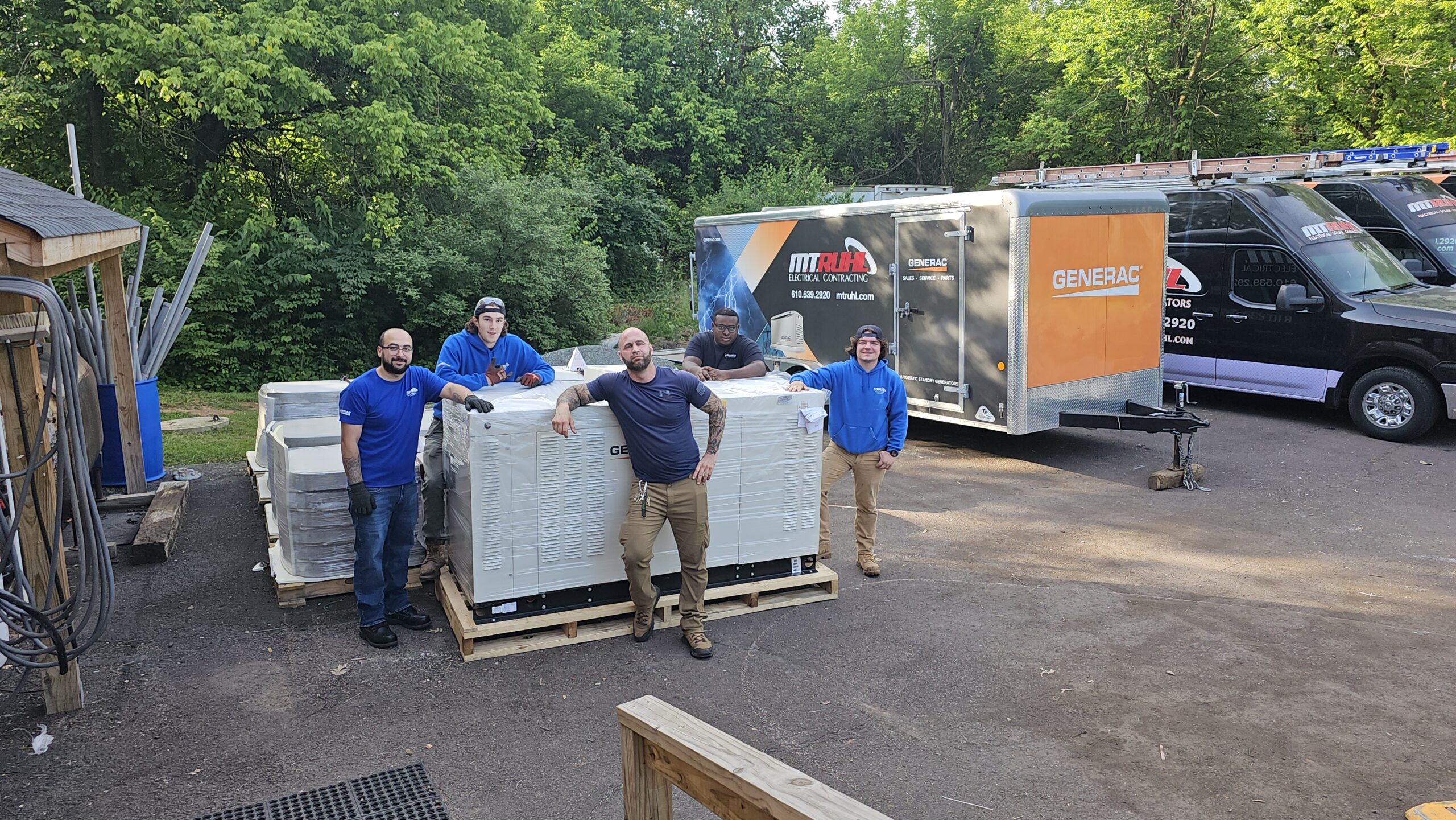
Credit: mtruhl.com
Factors Influencing Exercise Schedule
The size and typeof a standby generator affect how often it needs exercise. Smaller units may require less frequent testing than large industrial models. Diesel generators often need more regular runs to keep fuel fresh and parts lubricated.
Usage patternsalso play a key role. A generator used often or in harsh conditions might need more frequent exercise. If the generator is only for emergencies, less frequent runs could be enough to keep it ready.
| Manufacturer Recommendations | Typical Exercise Frequency |
|---|---|
| Brand A | Run 30 minutes every week |
| Brand B | Run 15 minutes twice a month |
| Brand C | Run 20 minutes once a month |
Common Exercise Mistakes To Avoid
Skipping regular tests can cause unexpected failuresduring power outages. Testing ensures the generator is ready and working. Without regular checks, small problems go unnoticed and grow worse.
Ignoring load testing means the generator is never tested under real conditions. Running the generator without a load does not show if it can handle full power needs. Load tests help find weak spots.
Neglecting maintenance after exercising the generator leads to rust, dirt buildup,and worn parts. Cleaning and checking parts after each test keep the generator reliable. Maintenance extends the lifespanof the unit and improves performance.
Tracking And Documenting Exercises
Logging exercise sessionshelps keep track of generator health. Write down the date, duration, and any issues found during the test run. This record makes it easier to spot problems early and plan repairs before a real outage.
Using maintenance softwaresimplifies the logging process. It stores all test data in one place, sends reminders for future exercises, and tracks repair history. This saves time and reduces errors compared to paper logs.
Benefits of proper recordsinclude better maintenance planning and longer generator life. Clear logs help technicians understand past performance and prevent costly breakdowns. They also prove the generator was tested regularly, which can be important for warranties or insurance.
Troubleshooting During Exercises
Common issues during standby generator exercises include fuel problems, battery failure, and oil leaks. Watch for unusual noisesor smoke. These signs show the generator may need help.
Call a technician if the generator won’t start, runs rough, or has smokecoming out. Also, seek help if the control panel shows errorsor if you smell fuel. These issues can be dangerous.
- Always keep the area clear of flammable materials.
- Turn offthe generator before checking any parts.
- Wear protective glovesand eye protection.
- Never touch hot engine parts during or after exercise.
- Check for carbon monoxidebuildup in enclosed spaces.

Credit: www.achrnews.com
Frequently Asked Questions
How Often Should A Standby Generator Be Exercised?
A standby generator should be exercised at least once a month. This routine ensures proper lubrication and battery charging. Regular exercise helps detect potential issues early. Monthly testing keeps the generator ready for emergencies and prolongs its lifespan.
What Is The Ideal Duration For Exercising A Standby Generator?
The ideal exercise duration is about 20 to 30 minutes. This allows the generator to reach operating temperature and run under load. It helps verify fuel supply and system performance. Running too briefly may not reveal hidden problems.
Can Exercising A Generator Prevent Breakdowns?
Yes, exercising a generator regularly prevents breakdowns. It maintains fuel quality and battery health. Running the generator helps identify mechanical or electrical faults early. Preventive exercise reduces costly emergency repairs and improves reliability.
Should A Load Be Applied During Generator Exercise?
Applying a load during exercise is recommended. It simulates real operating conditions and tests the generator’s capacity. Load testing ensures the generator can handle power demands during outages. It also helps maintain the engine and alternator health.
Conclusion
Regularly exercising your standby generator keeps it ready to work. Running it once a month helps spot problems early. This simple step extends the generator’s life and ensures reliability. Don’t wait for a blackout to test it. A well-maintained generator gives peace of mind during power outages.
Keep a schedule to avoid surprises when you need power most. Small efforts now save big headaches later. Stay prepared, stay safe.