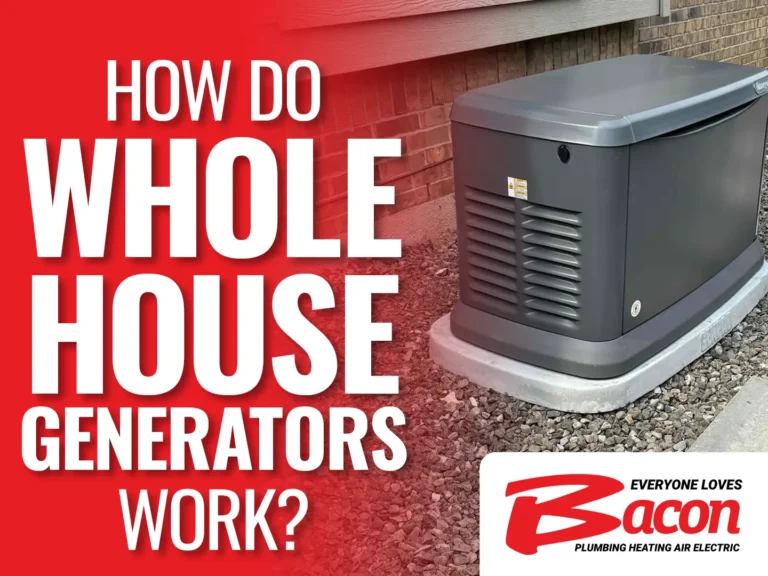
Imagine this: a storm hits, the power goes out, and your standby generator is your lifeline to keep things running smoothly. But what if it doesn’t start when you need it the most?
The reliability of your generator can make all the difference in an emergency. Have you ever wondered how often you should test your standby generator to ensure it performs perfectly when called upon? You’ll discover the secrets to keeping your generator in top shape.
We’ll explore the ideal testing frequency and why regular checks are crucial. By understanding this, you ensure that your generator is ready to power your essentials, providing peace of mind and security for your home or business. Stay with us as we delve into the practical tips and expert advice that will keep your generator ready to go whenever you need it.

Credit: www.diamondbarelectric.com
Importance Of Regular Testing
Regular testingkeeps your standby generator ready to work during power outages. It helps find problems before they cause a failure. This means your home or business will not lose power unexpectedly.
Testing prevents unexpected failuresby checking fuel, battery, and engine condition. It also ensures the generator starts smoothly and runs without issues. Skipping tests might lead to costly repairs or no power when needed most.
Routine checks help extend the generator’s lifespan. They keep parts clean and in good shape. Regular oil changes and running the generator under load stop parts from wearing out too fast. This saves money over time.
- Test the generator at least once a month.
- Run it under load to check real power output.
- Inspect fuel, oil, and battery condition regularly.
- Schedule professional servicing yearly for best performance.
Recommended Testing Frequency
Weekly quick start testskeep the generator ready. These tests ensure the engine starts and runs without load. They help spot minor issues early. Each test takes only a few minutes. It is important to do this every week.
Monthly full load testscheck the generator under real power use. Running the generator with a load helps find problems that only appear when working hard. This test lasts longer, around 30 minutes to 1 hour.
Annual comprehensive inspectionsare thorough checks of all parts. A professional usually does this. They check fuel, oil, battery, and electrical systems. This keeps the generator safe and reliable for the whole year.
Factors Influencing Test Schedule
Generator usage patternsaffect how often it should be tested. If used frequently, test more often. For rare use, less frequent tests might work. Testing ensures it will work when power fails.
Environmental conditionsalso matter. Harsh weather like extreme coldor heatcan cause wear. Dusty or wet places need more checks. Clean areas may allow longer times between tests.
Manufacturer guidelinesprovide specific advice. Follow their recommended schedulefor best results. Manuals often suggest testing once a month or every few months. Ignoring these can lead to problems or void warranties.
Step-by-step Testing Procedures
Before testing, check the generator’s fuel level and oil. Make sure the area is clear and safe. Turn off all connected devices to avoid damage. Inspect the battery and electrical connections for any loose wires.
Start the generator following the manual instructions. Run it under load to simulate real power use. Keep the test short to avoid overheating. Listen for unusual noises and watch for vibrations.
| Performance Metric | What to Check | Normal Range |
|---|---|---|
| Voltage Output | Stable voltage without spikes | 120/240 volts |
| Frequency | Consistent frequency during operation | 60 Hz |
| Engine Temperature | Not overheating during run | Within manufacturer limits |
| Fuel Consumption | Steady fuel use without leaks | As per specs |
Common Maintenance Tasks During Testing
Checking fuel and oil levelsis crucial to keep the generator ready. Low fuel or oil can stop the machine suddenly. Always use fresh fuel and check oil quality. This helps the engine run smoothly and last longer.
Inspecting battery healthensures the generator starts without issues. Look for corrosion on terminals and tight connections. Test the battery voltage regularly to confirm it holds a charge well.
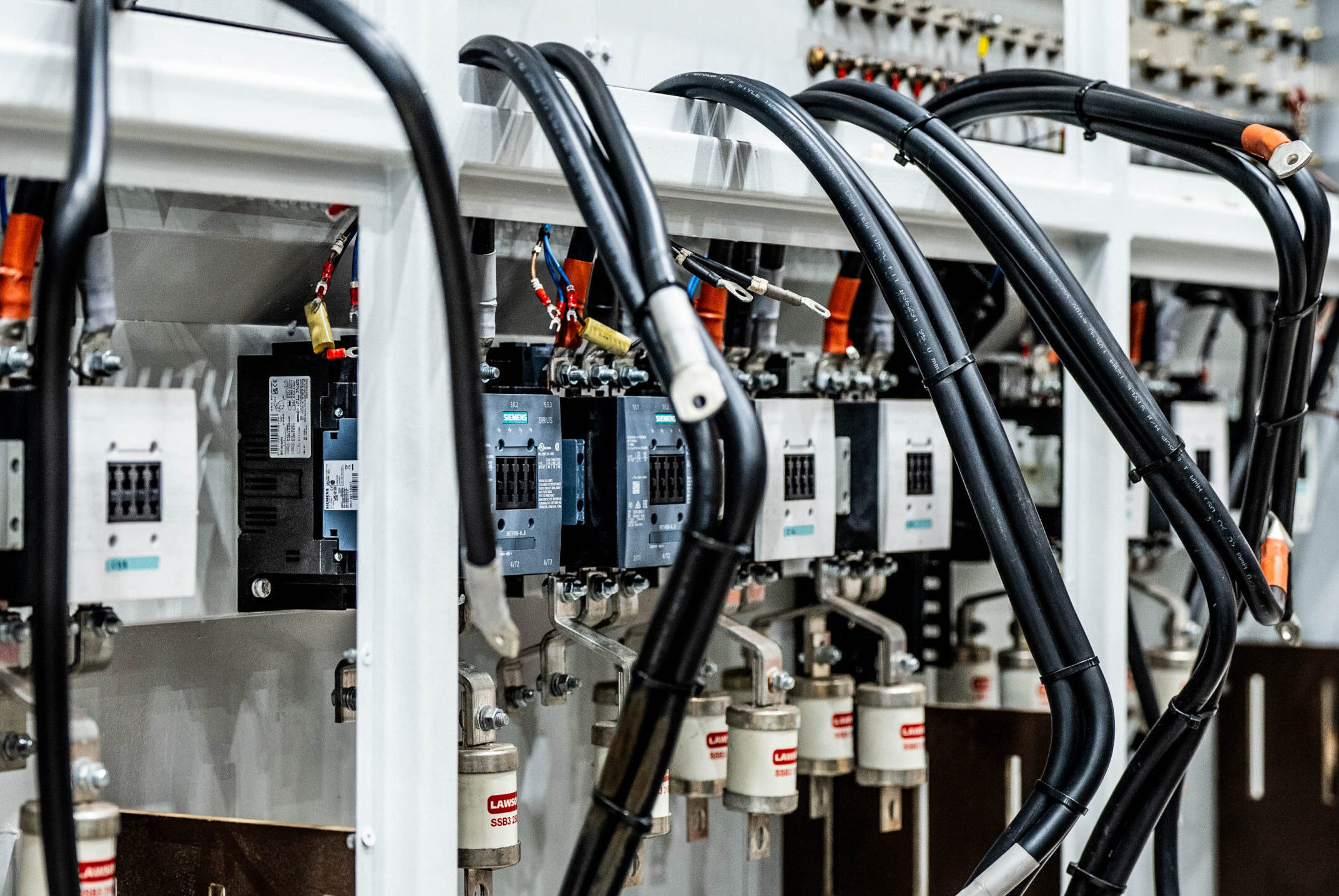
Examining electrical connectionsprevents power loss and safety hazards. Loose wires or damaged cables can cause faults. Tighten connections and replace any worn parts to maintain steady power flow.
Credit: pleavinpower.co.uk
Troubleshooting Common Issues
Warning signs often show before a standby generator stops working well. Strange noises, delayed starts, or error lightscan warn of trouble. Watching these signs helps fix problems fast.
Starting problems may happen due to a weak batteryor dirty spark plugs. Check the battery charge and clean or replace spark plugs if needed. Sometimes, the starter motor needs attention.
Fuel system issues cause poor engine performanceor failure to run. Fuel filters can clog, and fuel lines may leak. Use fresh fuel and inspect filters and lines regularly. Also, make sure fuel tanks are full and free from water or dirt.
- Check battery voltage and connections.
- Clean or replace spark plugs.
- Inspect fuel filters for clogs.
- Look for fuel leaks in lines and tanks.
- Use fresh and clean fuel only.
Professional Service Recommendations
Techniciansshould be called for generator testing at least once a year. This keeps the unit in good working orderand ready for use. They check the fuel system, battery, and engine performance. Regular checkshelp catch small problems before they grow.
Scheduled servicingoffers many benefits:
- Extends the lifespanof the generator
- Improves reliabilityduring outages
- Ensures safe operationfor your home or business
- Keeps warranty valid
| Cost Factor | Details |
|---|---|
| Annual Service | Typically costs less than major repairs later |
| Unexpected Repairs | More expensive than regular maintenance |
| Fuel and Parts | Costs vary depending on model and usage |

Credit: crowe-electric.com
Frequently Asked Questions
How Often Should You Test A Standby Generator?
A standby generator should be tested at least once a month. Monthly testing ensures it is operational and ready during power outages. Regular testing helps identify issues early and maintains battery and fuel efficiency.
Why Is Regular Generator Testing Important?
Regular testing ensures the generator works reliably during emergencies. It helps detect mechanical problems and fuel issues early. Testing keeps the system in optimal condition, preventing unexpected failures during power outages.
What Happens If A Standby Generator Is Not Tested?
If not tested, the generator may fail during a power outage. Components can degrade unnoticed, leading to costly repairs or replacements. Lack of testing reduces reliability and can risk safety and comfort during emergencies.
Can Frequent Testing Damage My Standby Generator?
No, frequent proper testing does not damage the generator. Manufacturers recommend monthly tests to maintain performance. However, follow the manufacturer’s guidelines to avoid excessive wear or fuel waste.
Conclusion
Testing your standby generator regularly keeps it ready for power outages. Run tests at least once a month to check performance. Also, schedule a full service every year for safety. This routine helps spot problems early and fixes them fast.
Stay prepared, avoid surprises, and protect your home. A well-maintained generator gives peace of mind during storms or emergencies. Don’t wait until the power goes out to find out it won’t start. Simple checks save time and money in the long run.
Keep your generator healthy and ready to work when needed.