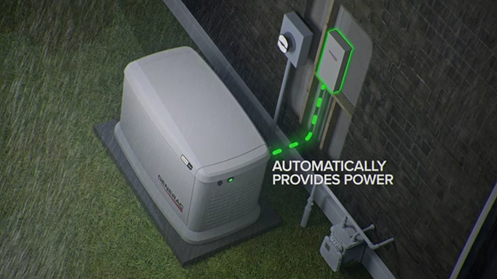
When was the last time you thought about your home backup generator? It quietly sits there, ready to spring into action when you need it most.
But like any essential piece of equipment, it requires regular attention to ensure it’s always ready to perform. You might wonder, “How often should I service my home backup generator? ” It’s a crucial question, and the answer could save you from unexpected power outages and costly repairs.
By understanding the right maintenance schedule, you can keep your generator running smoothly, protect your home, and ensure peace of mind. Dive into this article to discover the optimal service routine, and transform your generator from an overlooked appliance to a reliable lifeline for your home.

Credit: www.generac.com
Importance Of Regular Maintenance
Home backup generators need regular maintenance. It keeps them running well. Without care, they can break down. This leaves homes without power during storms. Regular checks can stop big problems early. They help save money on repairs later.
Many parts need to be checked. Fuel levels must be right. Oil needs changing often. Filters should be clean. Batteries must be charged. These steps keep the generator ready.
Some tasks can be done by homeowners. Check for visible damage. Listen for strange noises. For bigger tasks, call a professional. They have the right tools and knowledge.
Servicing should happen every six months. But it depends on usage. More use means more checks. Keeping a schedule helps remember service times. A well-serviced generator lasts longer. It provides peace of mind when power is needed.
Signs Your Generator Needs Servicing
A generator shows signs when it needs service. Listen for strange noises. This can mean something is wrong. Notice if the generator starts slower than usual. Slow starts can signal trouble. Check for unusual smells. Burning smells are a bad sign. Watch out for leaks around the generator. Leaks can mean a serious issue.
Look at the display panel. Warning lights tell a lot. If the panel shows errors, it’s time for service. Pay attention to power output. Low power means you need help. If the generator vibrates more than usual, it may need repair. Regular checks keep your generator running well. Stay alert to these signs.
Recommended Service Frequency
Home backup generators need regular care. Service them every 6 months. This ensures they run smoothly. Check oil and filters. They keep the engine clean. Inspect the battery regularly. It should have a strong charge. A weak battery can cause failure.
Generators need a professional check-up once a year. Professionals find hidden issues. They make sure everything works right. Weather changes can affect your generator. Cold weather may need more frequent checks. Keep the generator area clean. Remove leaves and debris. They can cause problems.
Follow the manufacturer’s guide. It gives specific service details. Every generator is different. Regular maintenance is vital. It ensures your home stays powered. Stay prepared for emergencies. A well-serviced generator is reliable.

Credit: www.searshomeservices.com
Factors Affecting Service Schedule
Service frequency for a home backup generator depends on usage, environmental conditions, and manufacturer guidelines. Regular checks ensure reliability and efficiency, particularly during harsh weather.
Usage Patterns
Generators used often need more service. More use means more wear and tear. Check usage hours every month. Heavy use requires monthly checks. Light use might need fewer services.Environmental Conditions
Dusty areas demand frequent cleaning. Extreme weather affects generator parts. Heat can cause overheating issues. Cold can freeze fuel lines. Check and adjust service plans for weather changes.Manufacturer Guidelines
Follow the manufacturer’s manual for service tips. Manuals give best service times. Following these can keep the warranty valid. They help the generator run longer. `Diy Maintenance Tips
Oil keeps the generator running smoothly. It’s crucial to check oil levels regularly. First, turn off the generator. Let it cool down for safety. Find the oil dipstick and remove it. Wipe it clean with a cloth. Insert it back fully and remove it again. Check the oil level on the dipstick. If it’s low, add more oil carefully. Use the right type of oil for your generator.
A strong battery starts the generator quickly. Inspect the battery every month. Look for corrosion on the terminals. Clean them if needed. Ensure the connections are tight. Charge the battery if it’s weak. Replace the battery if it won’t hold charge.
Air filters keep the engine clean. Dirty filters can cause problems. Check filters every three months. Remove the filter cover carefully. Take out the filter and check for dirt. Clean it with a soft brush or replace if necessary. Ensure the filter is dry before placing it back.
Credit: www.generac.com
Professional Service Options
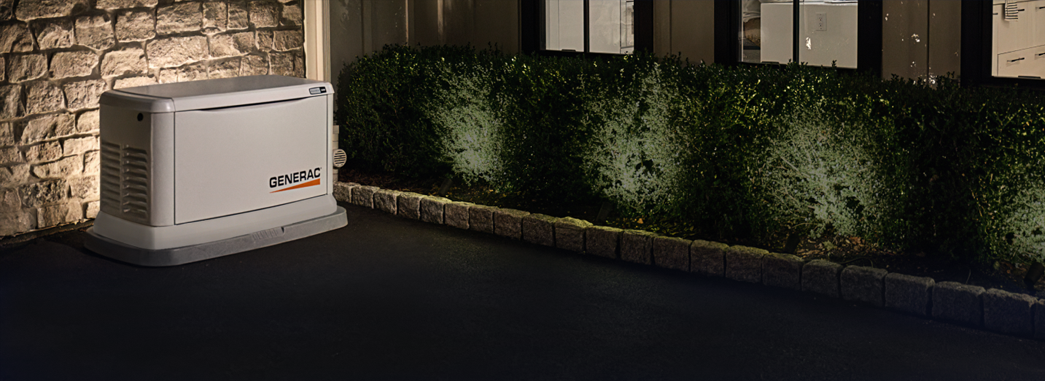
Regular maintenance of a home backup generator is essential for reliable performance. Service every six months or after 200 hours of use. This ensures it remains ready for emergencies, minimizing potential downtime.
Choosing A Service Provider
Selecting the right service provider is crucial. Look for professionals with experience in generator maintenance. Check their certifications and reviews. A trusted provider will ensure your generator runs smoothly. Ask friends for recommendations if unsure.
Cost Considerations
Service costs can vary. Compare prices from multiple providers. Sometimes, higher prices offer more comprehensive services. Always ask for a detailed breakdown of costs. Remember, spending more on quality service can save money long-term.
Warranty And Insurance
Check if your generator has a warranty. This can cover some service costs. Insurance might also help with unexpected repairs. Always read the fine print in your warranty. Contact your provider for details on what’s covered.
Benefits Of Regular Servicing
Regular servicing keeps your generator in top shape. It ensures reliable performance during power outages. A well-maintained generator works efficiently and lasts longer. This can save you money on repairs and replacement costs.
Servicing helps detect issues early. Early detection prevents costly damages. It also ensures your generator is always ready to use. A serviced generator runs smoother and quieter. This means less noise for your home.
Regular checks can improve fuel efficiency. This reduces your fuel costs. A well-maintained generator also releases less pollution. This is better for the environment. It is safer for your family, too. Keep your generator serviced to enjoy these benefits.
Common Mistakes In Generator Maintenance
Many people forget to check the oil levelsin their generator. Low oil can cause the generator to stop working. It’s also important to clean the air filter regularly. A dirty filter can reduce the generator’s power. Some people ignore the battery connections. Loose connections can prevent the generator from starting. Another mistake is not checking the fuel. Old fuel can harm the generator. Always use fresh fuel to avoid problems.
Regularly inspect the generator for rust or damage. Rust can weaken parts of the generator. Make sure to follow the manufacturer’s instructionsfor maintenance. Skipping these steps can lead to costly repairs. Always keep a maintenance log. This helps track what needs fixing. Proper care ensures the generator runs smoothly.
Frequently Asked Questions
Do Generac Generators Need Yearly Maintenance?
Generac generators require yearly maintenance to ensure optimal performance. Regular checks help prevent breakdowns and extend lifespan. Schedule professional service annually for thorough inspection and servicing. Regular maintenance includes oil changes, air filter replacement, and battery checks. Proper upkeep ensures your generator is ready for emergencies and keeps warranty valid.
What Happens If You Don’t Service Your Generator?
Neglecting generator service leads to inefficient performance, increased fuel consumption, and potential breakdowns. Regular maintenance prevents costly repairs, extends lifespan, and ensures reliable operation. Protect your investment by scheduling routine checks, cleaning, and part replacements to avoid unexpected outages and safety hazards.
Keep your generator running smoothly with timely servicing.
How Much Does It Cost To Service A Home Generator?
Servicing a home generator typically costs between $200 and $500. Factors like size and condition affect the price. Regular maintenance ensures efficiency and longevity, preventing costly repairs. Always consult with a professional technician for accurate pricing and service details.
What Is The Life Expectancy Of A Backup Generator?
A backup generator typically lasts between 10,000 to 30,000 hours, depending on maintenance and usage. Regular servicing can extend its lifespan. Quality brands and proper installation also play a significant role in longevity. Ensure you follow manufacturer guidelines to maximize efficiency and durability.
Conclusion
Regular servicing keeps your backup generator reliable. Aim for maintenance twice a year. This helps ensure it starts when needed most. Check oil, filters, and connections. Look for signs of wear and tear. Routine checks prevent costly repairs later. Professional service is a good idea.
It ensures everything runs smoothly. A well-maintained generator provides peace of mind. It protects your home during power outages. Remember, a little care goes a long way. Consistent servicing equals dependable performance. Keep your generator in top shape. It’s worth the effort for security and comfort.