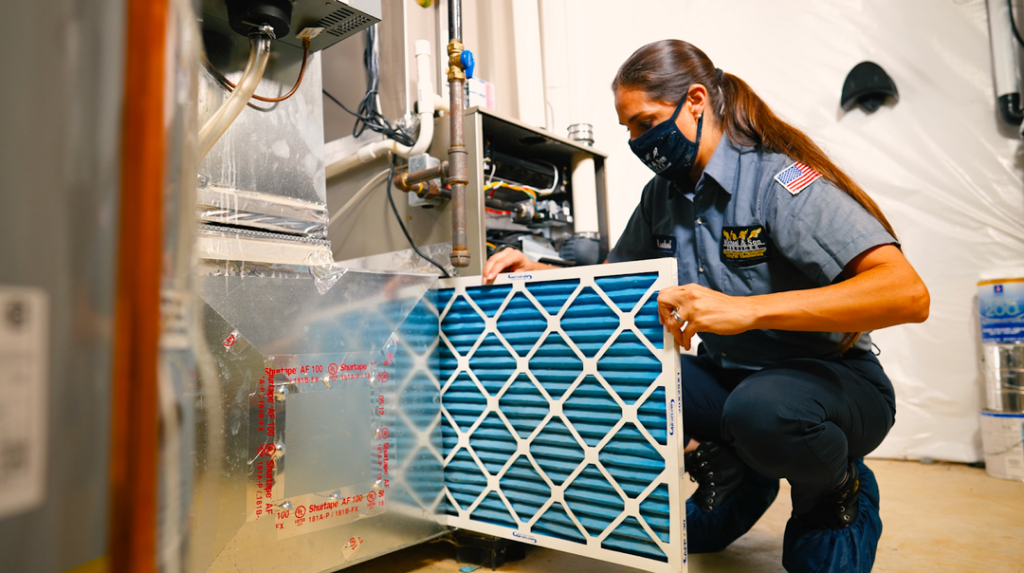
Your generator is a powerhouse, keeping your home or business running smoothly when the unexpected happens. But like any machine, it needs a little TLC to perform at its best.
One key maintenance task is changing the air filter regularly. You might wonder how often you should do this. It’s a crucial question because a clean air filter can be the difference between a generator that purrs like a kitten and one that grumbles and stalls.
You’ll discover the magic number for air filter changes, ensuring your generator stays in peak condition. Stick around to find out how this simple task can save you time, money, and a lot of headaches.

Credit: www.thervgeeks.com
Importance Of Air Filter Maintenance
Air filterskeep dirt and dust from entering the generator’s engine. Clean filters help the generator run smoothlyand efficiently. They protect internal parts from damage caused by debris and particles.
Dirty filters block air flow. This makes the generator work harderand use more fuel. Over time, it can cause engine damageand reduce poweroutput.
Changing air filters on time is key to avoiding costly repairs. It also helps keep the generator reliableduring power outages.

Credit: tikweld.com
Signs To Change Generator Air Filter
Visual Indicatorsinclude dirt or dust buildup on the filter. A dark or clogged filter means it needs changing. Also, check for tears or holes that let dirt enter the engine.
Performance Symptomsmay show as engine running rough or losing power. Unusual noises or increased fuel use can signal a dirty filter. The generator might also start less easily than before.
Manufacturer Recommendationsare important to follow. Most suggest changing the filter every 100-200 hours of use. Always check the user manual for specific advice. Regular changes keep the engine healthy and working well.
Factors Influencing Filter Replacement Frequency
The operating environmentgreatly affects how often you should change the air filter. Dusty or dirty places make filters clog faster. Clean environments allow filters to last longer.
Generator usage patternsalso matter. Generators that run many hours daily need filter changes more often than those used less. Frequent starts and stops can also wear out filters quicker.
The type and quality of the filterimpact its lifespan. High-quality filters trap more dirt and last longer. Cheaper filters may need replacing more often to keep the generator safe.
| Factor | Effect on Filter Life |
|---|---|
| Operating Environment | Dusty areas shorten filter life |
| Generator Usage Patterns | More hours cause faster filter wear |
| Filter Type and Quality | Better filters last longer |
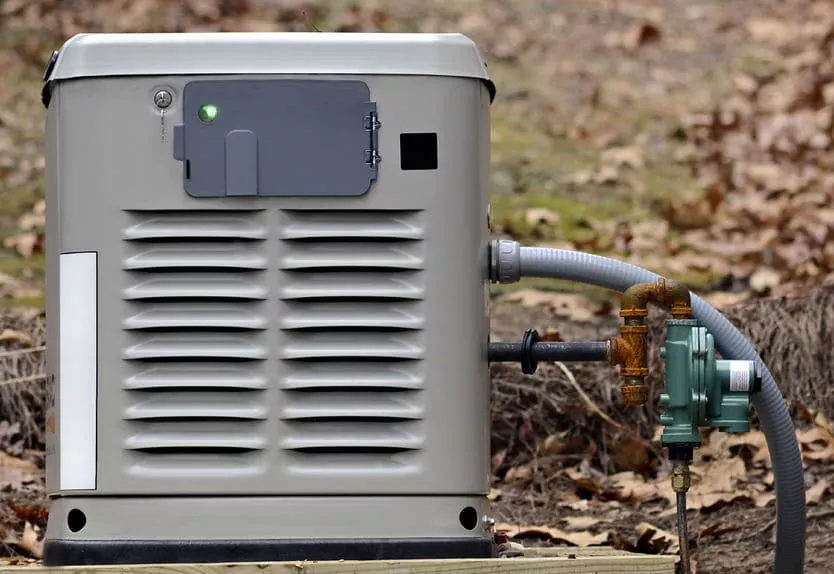
Credit: www.premium-electric.ca
Step-by-step Filter Replacement Process
Regularly changing the generator air filter keeps the engine clean and running smoothly. Remove the old filter carefully, check for damage, and insert a new one securely. Replace filters every 6 to 12 months or as recommended by the manufacturer.
Tools And Safety Precautions
Gather these tools: a new air filter, gloves, screwdrivers, and a cleaning cloth. Always turn off the generator and unplug it. Let the engine cool before starting work. Wear gloves to protect your hands from dirt and sharp edges. Work in a well-ventilated area to avoid inhaling dust.
Removing The Old Filter
Open the filter cover carefully. Unscrew or unclip the cover as needed. Take out the old filter gently. Avoid shaking it to keep dust from spreading. Check the filter housing for dirt and clean it with a cloth.
Installing The New Filter
Place the new filter into the housing in the right direction. Make sure it fits snugly without gaps. Reattach the cover securely with screws or clips. Double-check that the cover is tight to prevent air leaks.
Post-replacement Checks
- Start the generator and listen for unusual sounds.
- Check for air leaks around the filter cover.
- Monitor the engine’s performance for smooth running.
- Clean the area around the filter regularly.
Tips To Extend Air Filter Life
Regular cleaning helps keep the air filter working well. Dust and dirt can clog the filter quickly. Clean the filter gently with water or compressed air. Let it dry completely before using it again.
Store filters in a clean, dry place to avoid damage. Handle filters carefully to prevent tears or bends. Always keep filters away from moisture and dirt before installation.
Choosing high-quality filtersmakes a big difference. Good filters last longer and trap more dirt. Using the right filter size is important for the generator’s performance.
When To Seek Professional Help
Complex maintenance issuesoften need a technician’s touch. Tasks like engine repairs or electrical checks require special skills and tools. Trying these at home can cause damage or safety risks. Professionals know how to handle problems safely and quickly.
Look for signs of underlying generator problemssuch as:
- Unusual noises or vibrations
- Frequent stalling or failure to start
- Overheating or smoke emissions
- Warning lights or error codes on the panel
These signs may mean air filter issues or deeper engine troubles. Getting expert help ensures the generator works well and lasts longer.
Frequently Asked Questions
How Often Should I Change My Generator Air Filter?
Change your generator air filter every 6 to 12 months. If you operate in dusty environments, check and replace it more frequently to maintain optimal performance and prevent engine damage.
What Happens If I Don’t Change The Air Filter?
A dirty air filter reduces airflow, causing poor engine performance. It increases fuel consumption and may lead to engine overheating or damage over time.
Can I Clean The Generator Air Filter Instead Of Replacing It?
Some air filters are reusable and can be cleaned with compressed air or water. Check your generator’s manual to see if cleaning is recommended or if replacement is necessary.
How Do I Know When The Air Filter Needs Changing?
Signs include reduced engine power, increased fuel use, and unusual noises. Visually inspect the filter; if it looks clogged or dirty, it’s time to replace it.
Conclusion
Changing your generator’s air filter regularly keeps it running well. Dirty filters block air and lower engine power. Check the filter every 3 to 6 months, or more often in dusty areas. Clean or replace it to avoid damage and costly repairs.
A clean filter helps the generator last longer and work efficiently. Remember, small care steps can save big money later. Stay ahead by watching your filter’s condition closely. Your generator will thank you with reliable performance when you need it most.