
When it comes to keeping your standby generator in tip-top shape, one tiny component can make all the difference: the spark plug. You might not think about it often, but knowing when to change your generator’s spark plug can save you from unexpected outages and costly repairs.
Imagine the peace of mind that comes with knowing your backup power source will fire up without a hitch whenever you need it. Are you ready to discover how often you should swap out this vital piece to ensure your generator’s peak performance?
Keep reading, and you’ll learn the secrets to maintaining a reliable power source, no matter the situation.
Importance Of Spark Plug Maintenance
Spark plugsare small but vital parts in a generator. They create the sparkthat starts the engine. Without a good spark plug, the engine may not start or run well. This can cause the generator to lose poweror use more fuel.
Worn spark plugscan cause many problems. They may lead to hard starts, rough running, or even engine misfires. Dirty or damaged plugs reduce the engine’s efficiency and can cause higher emissions. Regular checks help keep the generator working smoothly.
Recommended Replacement Intervals
Most manufacturerssuggest changing the spark plug every 100 hoursof use or annually. This helps keep the generator running smoothly.
Some brands may have different guidelines. Always check the user manual for exact instructions.
Usage affectshow often to replace the spark plug:
- Heavy use needs more frequent changes.
- Light use may allow longer intervals.
Regular checks can catch wear early. A worn spark plug causes hard startsand poor performance.
Signs Of Spark Plug Wear
Performance issuesoften signal spark plug wear. The generator may start hard or run rough. It might stall or lose power during use. Poor fuel economy and increased emissions also show wear.
Visual checks help spot problems early. Look for black sootor oily deposits on the plug tip. These signs indicate fouling or oil leaks. Cracks, chips, or worn electrodes mean the plug needs replacement. A gap too wide or too narrowalso affects performance.
- Hard starting or no start at all
- Engine running unevenly or stalling
- Black or oily deposits on the spark plug
- Cracked or damaged spark plug parts
- Incorrect electrode gap size
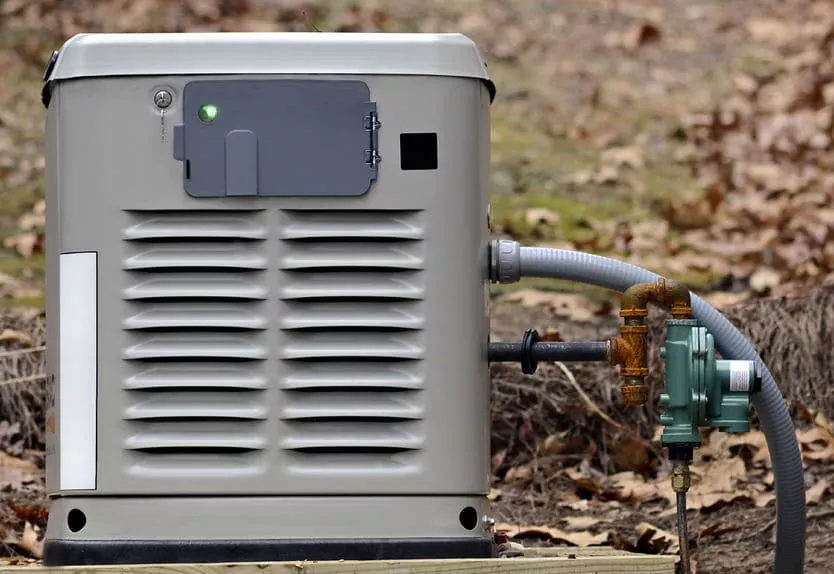
Credit: www.premium-electric.ca
Step-by-step Replacement Process
Gather these toolsbefore starting: a spark plug socket, ratchet wrench, spark plug gap tool, and a clean cloth. Make sure the generator is offand cool to avoid burns. Safety first.
Use the spark plug socket and wrench to loosenthe old spark plug. Turn it counterclockwise carefully. Once loose, pull it out gently. Check for dirt or damage on the spark plug. Clean the area around the spark plug hole with a cloth.
Check the new spark plug’s gapwith the gap tool. Adjust if needed by gently bending the electrode. Screw the new spark plug into the hole by hand to avoid cross-threading. Then tighten it with the wrench, but don’t over-tighten. Connect the spark plug wire back securely.
Tips To Extend Spark Plug Life
Regular cleaninghelps keep the spark plug free from dirt and grime. This prevents misfiresand poor engine starts. Use a soft brush or cloth to remove carbon buildup. Avoid harsh chemicals that can damage the plug. Cleaning every few months extends its lifeand ensures better performance.
Proper generator operation also affects spark plug health. Always run the generator according to the manual. Avoid overloading the generator to reduce stress on the engine. Let the generator warm upbefore heavy use. Turn it off properly to prevent engine damage. These habits help keep the spark plug working wellfor longer.

Credit: crowe-electric.com
Common Mistakes To Avoid
Over-tighteningthe spark plug can cause serious damage. It may strip the threads or crack the plug. Use the correct torque to avoid this problem. Tighten until snug, then a little more, but not too much.
Ignoring the maintenance scheduleleads to poor generator performance. Spark plugs wear out and get dirty over time. Check and replace them regularly to keep the generator running well. Follow the manufacturer’s guidelines closely.
Credit: do-daddy.com
Frequently Asked Questions
How Often Should I Change My Standby Generator Spark Plug?
You should change your standby generator spark plug every 100 hours of operation or at least once a year. Regular replacement ensures efficient engine performance and prevents starting issues. Always follow the manufacturer’s guidelines for the best maintenance schedule.
What Are The Signs Of A Faulty Generator Spark Plug?
Signs include difficulty starting the generator, rough engine idling, reduced power output, and increased fuel consumption. If you notice these symptoms, inspect and replace the spark plug to maintain optimal generator function and avoid further engine damage.
Can A Dirty Spark Plug Affect Generator Performance?
Yes, a dirty spark plug can cause misfires, poor fuel efficiency, and unreliable generator starts. Cleaning or replacing the spark plug regularly keeps the engine running smoothly and extends the generator’s lifespan.
Is It Necessary To Use Oem Spark Plugs In Standby Generators?
Using OEM spark plugs is recommended because they meet the generator’s specific design and performance standards. Proper plugs ensure reliable ignition, optimal fuel use, and prevent engine wear, enhancing your generator’s durability and efficiency.
Conclusion
Changing your standby generator’s spark plug regularly keeps it running well. A clean spark plug helps start the engine quickly and smoothly. Check the plug every year or after 100 hours of use. Replace it if you see wear or damage.
This simple step saves you from bigger problems later. Keep your generator ready for power outages. Regular care means longer life and better performance. Don’t wait until the spark plug fails. Stay ahead and ensure your generator works when you need it most.