Ever wondered why your generator isn’t performing as efficiently as it should? You’re not alone.
Many people neglect regular maintenance, and that’s often the root cause of unexpected breakdowns. Imagine being in the middle of a storm, relying on your generator, only for it to fail. It’s a scenario no one wants to face. Understanding how often to perform generator maintenance can save you time, money, and frustration.
You’ll discover the key to keeping your generator in top shape, ensuring you’re never left in the dark. Ready to unlock the secrets to a reliable power supply? Let’s dive into the essential maintenance schedule that will keep your generator running smoothly.
Importance Of Regular Maintenance
Regular maintenance keeps your generator working well and safe. It helps avoid costly repairslater. Small issues get fixed before they grow big.
Check oil, filters, and spark plugs often. Clean parts stop dirt from causing damage. Test the battery and fuel system to ensure reliable starts.
A well-maintained generator runs smoothly during power outages. It lasts longer and uses less fuel. This saves money and stress.

Credit: tikweld.com
Daily And Weekly Checks
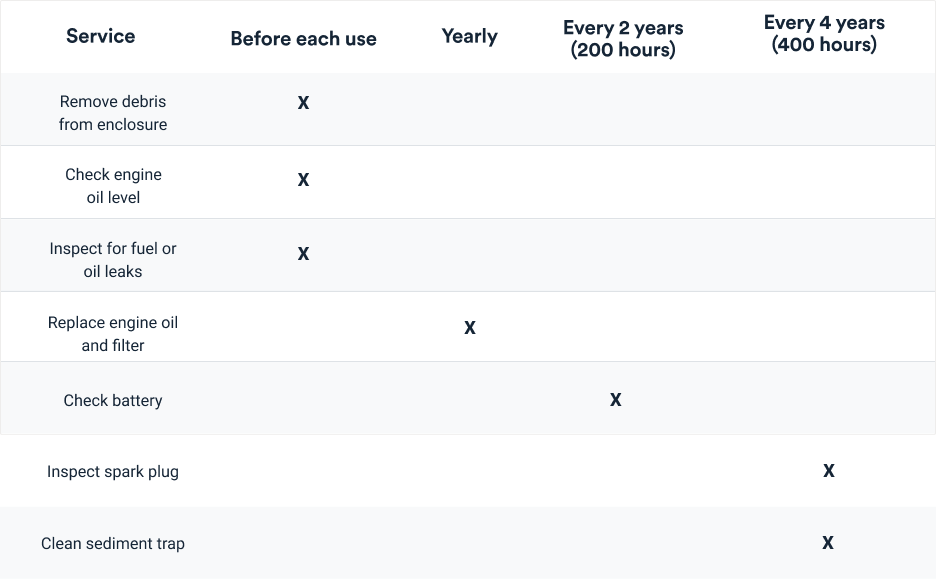
Performing daily and weekly checkskeeps your generator in good shape. Start with a visual inspection. Look for any signs of damage, loose parts, or leaks. A clean and tight setup helps avoid problems.
Check fuel and oil levelsregularly. Low fuel or oil can cause the generator to stop or wear out faster. Always refill with the right type and amount.
Battery condition matters a lot. Make sure the battery is chargedand the terminals are clean. Corrosion or weak charge can stop the generator from starting when needed.
Monthly Maintenance Tasks
Testing the generatormonthly ensures it works when needed. Run the generator for about 15 minutes. Check for unusual sounds or smells. Make sure it starts smoothly and powers your devices correctly.
Cleaning componentskeeps the generator in good shape. Remove dust and dirt from the outside and vents. This helps the generator stay cool and avoid damage.
Checking air filtersis important for engine health. Look for dirt or clogging in the filter. Replace or clean the filter if it looks dirty. This helps the engine run better and last longer.
Quarterly Maintenance Routine
Oil and filter changes are key to keep the generator running well. Use the right oil type and change it every three months. Replace the filter during oil changes to stop dirt from damaging the engine.
Inspecting spark plugs helps the generator start easily and run smoothly. Remove the plugs, check for dirt or damage, and clean or replace them if needed. Good spark plugs save fuel and reduce smoke.
The coolant system keeps the generator from overheating. Check coolant levels and top off with the correct mix of water and antifreeze. Look for leaks or damaged hoses and fix them quickly to avoid engine damage.
Annual Maintenance Schedule
Annual maintenance keeps your generator in top condition. A comprehensive system inspectionchecks all parts for wear and damage. This helps prevent unexpected breakdownsand extends the generator’s life.
Load bank testingmeasures the generator’s ability to handle power loads safely. It simulates real use and ensures the generator works well under stress.
Professional servicingby trained technicians is crucial. They clean, adjust, and replace parts as needed. This service helps keep your generator reliableand efficient.
Factors Affecting Maintenance Frequency
Usage patternsgreatly influence how often maintenance is needed. A generator used daily needs checks more often than one used only during power outages. Regular use means more wear and tear. Less use means fewer problems but still requires routine care.
Environment conditionsalso affect maintenance frequency. Generators in dusty, wet, or salty air need more frequent cleaning and inspection. Harsh weather can cause parts to wear out faster. A clean, dry place helps keep the generator in good shape longer.
Generator type and sizematter too. Small portable generators may require less frequent checks. Large, commercial models often need more regular and detailed maintenance. Different types have different parts and needs. Knowing your generator’s size and type helps plan the right maintenance schedule.
Signs Of Generator Issues
Unusual noisesfrom a generator often signal a problem. Sounds like grinding, knocking, or hissing are not normal. These noises can mean parts are loose or worn out. Ignoring these sounds can cause bigger damage.
Performance dropsshow the generator is not working well. It may run slower or fail to start quickly. Power output might be lower than usual. These signs mean the generator needs a check-up.
Warning lights and alarmsare clear alerts. They tell you the generator has an issue. These indicators should never be ignored. They help prevent serious breakdowns by signaling early problems.

Credit: woodstockpower.com
Tips For Effective Maintenance
Keeping a maintenance loghelps track repairs and services. Write down dates, parts replaced, and any issues found. This record shows patterns and helps plan future checks.
Using quality partsensures your generator lasts longer. Cheap parts can break fast and cause more damage. Always choose trusted brands for filters, oil, and spark plugs.
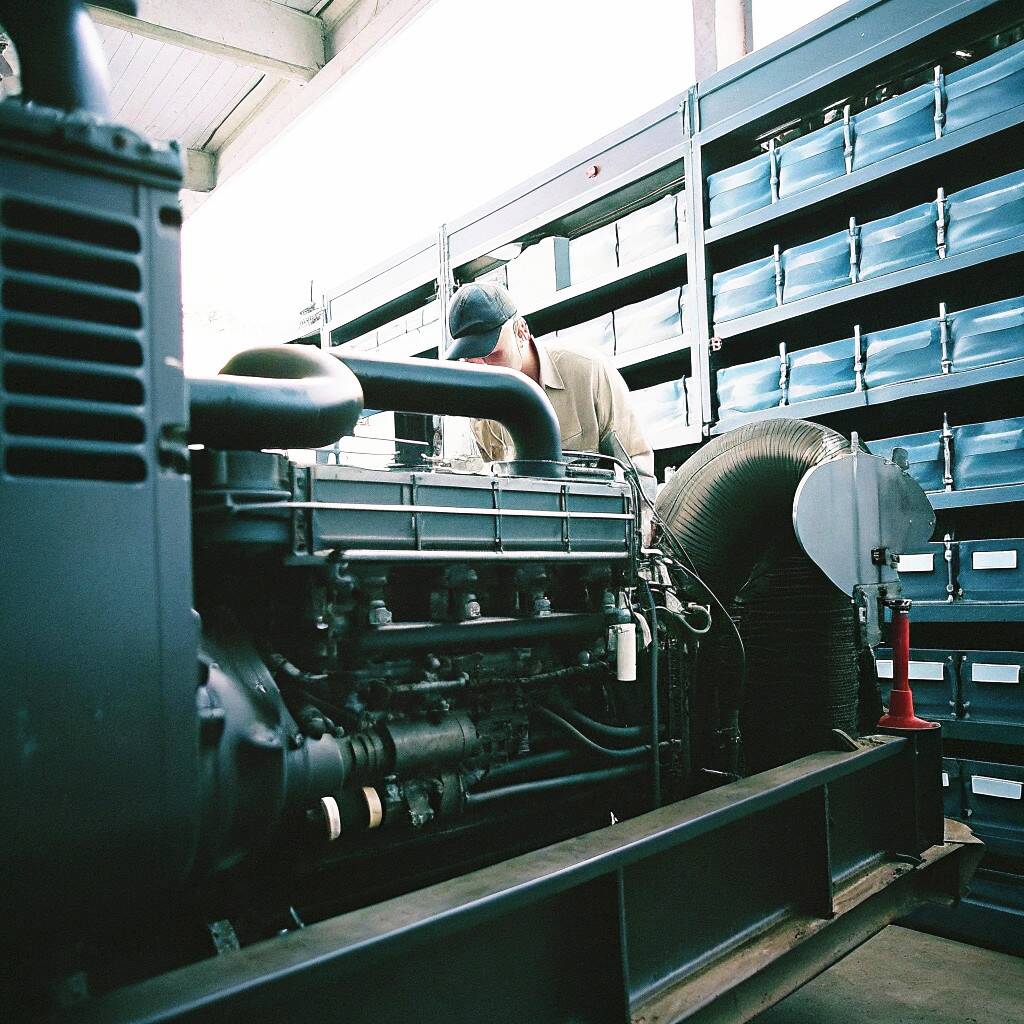
Scheduling professional inspectionscatches problems early. Experts know what to look for and can fix small issues before they grow. Have a pro check your generator at least once a year.
Credit: waltpower.com
Frequently Asked Questions
How Often Should I Perform Generator Maintenance?
Perform generator maintenance every 6 months or after 100 hours of use. Regular checks ensure reliability and extend its lifespan.
What Are The Key Generator Maintenance Tasks?
Key tasks include oil changes, air filter cleaning, battery checks, and fuel system inspection. These keep your generator running smoothly.
Can I Delay Generator Maintenance If Unused?
No, even unused generators need maintenance every 6 months. Fuel and parts degrade over time, affecting performance.
How Does Regular Maintenance Improve Generator Efficiency?
Regular maintenance prevents breakdowns and keeps components clean. This improves fuel efficiency and ensures consistent power output.
Conclusion
Regular generator maintenance keeps your unit running smoothly. Check it every few months or after heavy use. Small problems found early save you big repairs later. Clean parts, change oil, and test the battery often. A well-kept generator lasts longer and works better during power outages.
Don’t wait for trouble—stay ahead with simple care. Your generator will thank you with reliable power when needed most.