Have you ever been caught off guard by a sudden power outage? It can turn your world upside down in an instant.
Imagine the food in your fridge spoiling, your internet going down, and your home security system failing. But what if there was a way to ensure that your life keeps running smoothly, even when the power goes out? That’s where the magic of a standby generator comes in.
We’re diving into the incredible power of standby generators and how they can be a game-changer for your home. We’ll explore the features that make them essential, the peace of mind they provide, and why investing in one could be the smartest decision you make. Whether you’re curious about the technical details or just want to know if it’s worth the investment, stick around. You might just discover that a standby generator is the key to never being left in the dark again.
Types Of Standby Generators
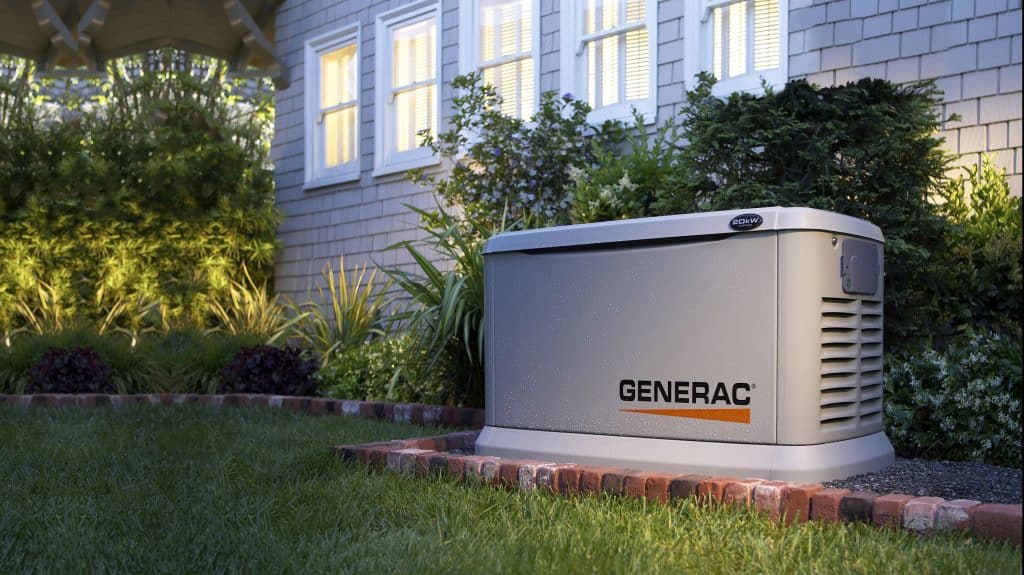
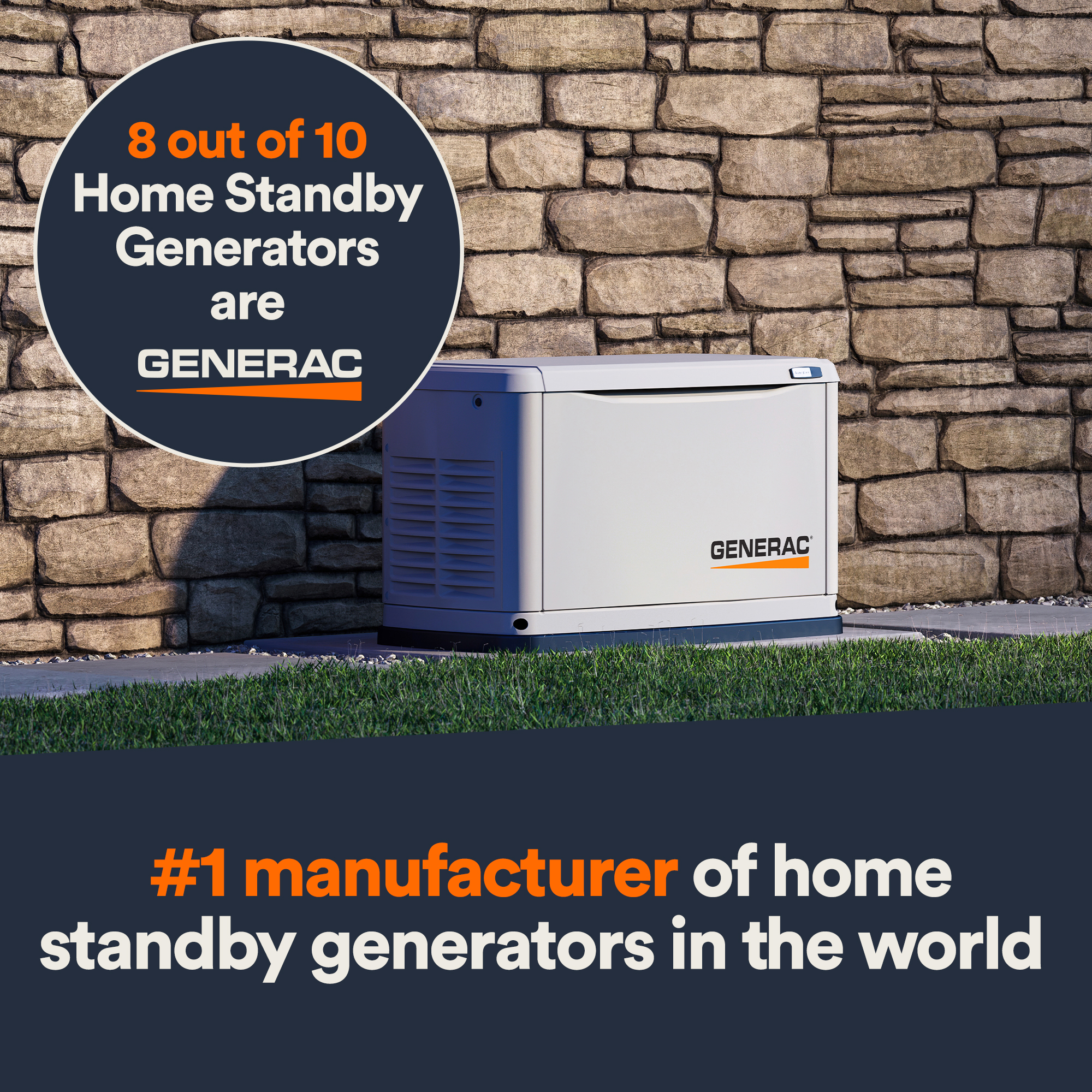
Portable generatorsare small and easy to move. They work well for short power outages and camping. Standby generatorsare fixed outside your home. They turn on automatically during power cuts and power the whole house.
Fuel types affect how generators run and cost. Gasolineis common for portable generators but stores poorly. Propaneburns clean and lasts longer. Natural gasis good for standby generators with a steady supply. Dieseloffers strong power but can be noisy.
| Generator Size | Power Capacity (Watts) | Best Use |
|---|---|---|
| Small | 1000 – 3000 | Camping, small appliances |
| Medium | 3000 – 7000 | Home essentials, small tools |
| Large | 7000 – 20000+ | Whole house, large appliances |
Credit: www.generac.com
Measuring Generator Power
Wattageand kilowattsshow how much power a generator makes. Watts are the basic units. Kilowatts are 1,000 watts. Knowing these helps pick the right generator size.
Running poweris the energy the generator uses to keep things working. It is less than starting power. Starting poweris the extra power needed when devices first turn on.
Surge capacitymeans the generator can give extra power for a short time. This helps start big machines or tools. Surge power is usually higher than running power, but only lasts seconds.
| Power Type | Description |
|---|---|
| Running Power | Continuous power to keep devices running |
| Starting Power | Extra power needed when devices start |
| Surge Capacity | Short burst of extra power for starting devices |
Capacity To Support Home Appliances
Standby generatorshave different capacities to support home appliances. They power critical circuitsfirst, like refrigerators, lights, and heating systems. This keeps essential devices running during outages.
Some models offer full-home backup, supporting nearly all appliances. This includes washers, dryers, and even air conditioners. It depends on the generator’s size and power output.
Power distribution is important to avoid overload. Homes often use a transfer switchto manage which circuits get power. This switch helps balance the load and protects the generator.
| Generator Capacity (kW) | Supports |
|---|---|
| 5-7 kW | Critical circuits only (lights, fridge, furnace) |
| 8-12 kW | Most essential loads + some appliances |
| 13-20+ kW | Full-home backup including large appliances |
Installation And Safety Factors
Professional installation ensures the generator works safely and efficiently. Experts connect the system to your home’s electrical panel. They follow local rules and codes. This prevents accidents and electrical hazards.
Fuel storage must be done carefully. Generators often use propane, natural gas, or diesel. Store fuel in approved containers far from living areas. Avoid leaks and spills to reduce fire risks.
| Safety Feature | Description |
|---|---|
| Automatic Shutoff | Stops generator if a problem occurs, like low oil or overload. |
| Carbon Monoxide Detector | Alerts if dangerous gas builds up near the generator. |
| Ground Fault Circuit Interrupter (GFCI) | Prevents electric shock by cutting power during faults. |
| Transfer Switch | Separates generator power from utility power to avoid backfeed. |
Performance During Power Outages
Automatic transfer switchesdetect power outages quickly. They switch power from the grid to the generator in seconds. This process keeps your home or business running without interruption. It also prevents damage to electrical devices by stopping backfeed to the grid.
Standby generators run for hours during power cuts. Their fuel efficiencyvaries by model and fuel type. Some use natural gas, others propane or diesel. Efficient models save fuel and reduce costs. Longer runtime means better support in long outages.
| Noise Level | Environmental Impact |
|---|---|
| Quiet models produce 50-65 decibels | Use cleaner fuels like natural gas |
| Loud models can exceed 70 decibels | Diesel models emit more pollutants |

Credit: blog.norwall.com
Cost And Maintenance Considerations
Initial investmentfor a standby generator varies by size and brand. Smaller models cost less, while larger units with higher power output are more expensive. Operating costsinclude fuel, electricity, and occasional repairs. Natural gas or propane models often cost less to run than diesel ones.
Routine maintenance keeps the generator working well. Tasks include:
- Checking oil and coolant levels
- Replacing air and fuel filters
- Running the generator regularly to avoid problems
- Inspecting spark plugs and batteries
Longevitydepends on how well the generator is cared for. Many models last 10 to 30 years. Warranty options differ; some offer up to 5 years. Extended warranties can provide peace of mind but may cost extra.
Comparing Standby Generators To Other Backup Solutions
Battery backup systemsstore energy for short-term use. They are quiet and clean but usually provide power for a few hours only. These systems work well for small appliances and electronics but may not support whole-house needs.
Portable generatorsare easy to move and use during outages. They require manual setup and fuel storage. These generators are less powerful than standby models and need regular maintenance. Good for temporary and flexible power solutions.
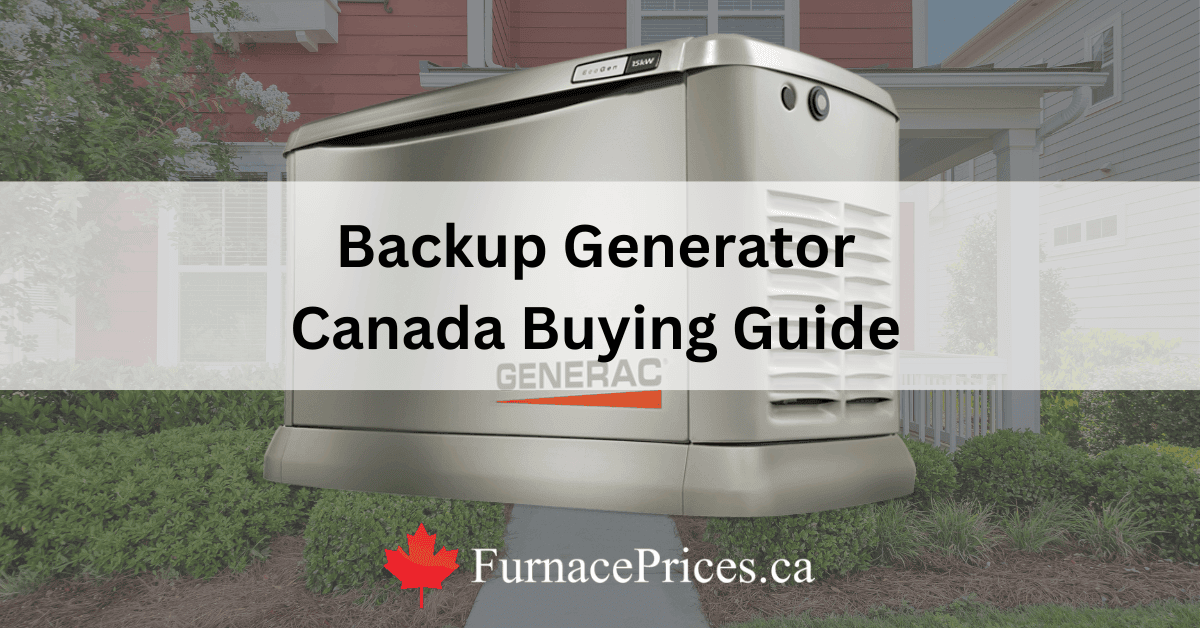
Hybrid systemscombine generators with battery backups. This mix offers longer power supply and less fuel use. Innovations in this area improve efficiency and reduce noise. They can switch automatically between power sources for smooth operation.
Credit: www.furnaceprices.ca
Real-life Use Cases And Performance
Standby generators keep homes powered during outages, running appliances without interruption. They deliver reliable energy for hours, supporting daily life and safety. Many users trust their steady performance in emergencies and harsh weather conditions.
Residential Backup Power Stories
Standby generatorskeep homes safe during power outages. Families stay warm, lights stay on, and refrigerators keep food fresh. Quiet operation means no noise disturbance. Automatic start means no manual work. This power source supports essential devices like heaters, fans, and medical equipment.
Commercial And Industrial Applications
Businesses rely on standby generators to avoid losses. Stores keep freezers running and cash registers open. Offices maintain internet and phone services. Factories prevent costly downtime by powering machines. Reliable energy keeps operations smooth and customers happy.
Disaster Preparedness And Resilience
In disasters, standby generators provide critical power. Emergency centers run communication gear and lighting. Hospitals use them for life-saving machines. They help communities stay connected and safe. Ready power means faster recovery and less damage.
Frequently Asked Questions
What Is The Power Capacity Of A Standby Generator?
A standby generator typically ranges from 7 kW to 150 kW. It can power an entire home or small business during outages, ensuring continuous electricity supply.
How Long Can A Standby Generator Run Continuously?
Standby generators can run for 24 to 48 hours continuously. Their runtime depends on fuel type, tank size, and load demand.
Are Standby Generators Suitable For Large Homes?
Yes, standby generators with higher kW ratings can support large homes. They handle heavy appliances and multiple circuits without power loss.
How Quickly Does A Standby Generator Activate?
Standby generators usually activate within 10 to 30 seconds after a power outage. This quick response minimizes disruption to electrical devices.
Conclusion
Standby generators provide reliable power during outages. They keep homes and businesses running smoothly. Their power capacity varies, fitting different needs. Choosing the right size ensures safety and efficiency. These generators start automatically, requiring little effort. They offer peace of mind in emergencies.
Investing in one protects your daily life. Power outages won’t disrupt your routine anymore. A standby generator is a smart choice for many. Simple, strong, and dependable energy backup.