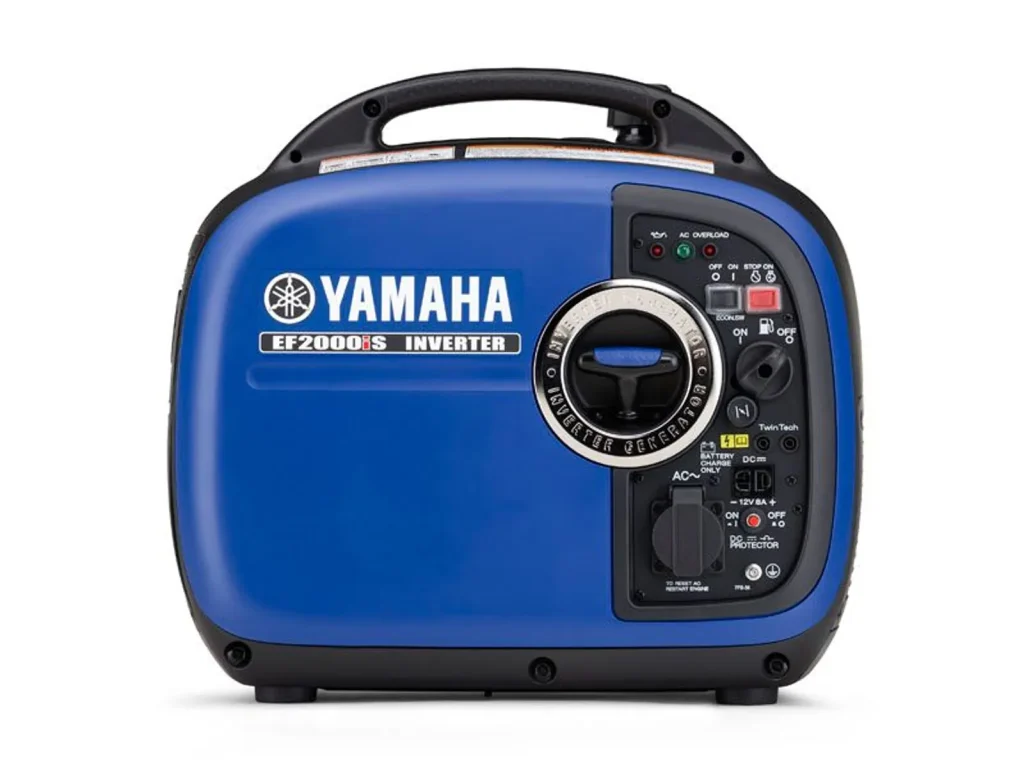
Imagine planning the perfect camping trip or preparing for a family gathering in your backyard, only to have the tranquility shattered by a noisy generator. It’s not exactly the peaceful experience you had in mind, right?
That’s where the Yamaha generator comes into play. You’re probably wondering, “How quiet is a Yamaha generator? ” This is a crucial question, especially if you value serenity in your outdoor adventures or home activities. You’ll discover just how these generators can seamlessly fit into your life without disturbing the peace.
You’ll learn about their noise levels, how they compare to other generators, and why they might just be the ideal choice for your needs. Keep reading to find out why Yamaha generators are known for their whisper-quiet operation and how they can transform your power needs.
Yamaha Generator Noise Basics
Yamaha generators are known for their quiet operation. Noise is measured in decibels (dB), which show how loud a sound is. The lower the decibel number, the quieter the generator.
Sound levels can be measured at different distances. Usually, noise is checked at 7 meters (about 23 feet). This helps compare different models fairly.
| Decibel Level (dB) | Noise Description |
|---|---|
| 40-50 dB | Quiet, like a library or soft whisper |
| 50-60 dB | Normal conversation or background music |
| 60-70 dB | Loud office or busy street |
Many Yamaha generators run around 50 to 60 dB. This means they are quiet enough for camping and home use. Noise levels may vary by model and load.

Credit: a-ipower.com
Noise Levels Across Yamaha Models
Yamaha generators run quietly, making them ideal for home or outdoor use. Noise levels vary across models but remain low to avoid disturbance. Many users appreciate their smooth and quiet operation during use.
Portable Generators
Yamaha portable generators usually run at about 58 to 65 decibels. This is roughly the noise level of a normal conversation. They are quiet enough for camping or outdoor use. The noise is steady, not loud or harsh.
Inverter Generators
Inverter models are the quietest50 to 57 decibels. This is similar to a quiet room or a soft whisper. These generators are good for noise-sensitive areas and homes.
Large Capacity Generators
Large Yamaha generators are louder due to their power. They usually produce 70 to 75 decibels. This is like the sound of a vacuum cleaner or busy street. They work best for heavy-duty tasks but are less quiet.
Factors Affecting Generator Noise
The engine type and sizeinfluence the noise level of a Yamaha generator. Smaller engines often run quieter than large ones. Engines with advanced technology tend to produce less noise.
The muffler and insulationhelp reduce sound. Quality mufflers lower noise by blocking sound waves. Good insulation around the engine keeps noise inside the generator.
The load and operating conditionschange how loud the generator sounds. Higher loads usually make the generator louder. Running the generator at lower power reduces noise. Smooth operation also means less noise.
Comparing Yamaha To Competitors
Yamaha generators are known for their quiet operation. They often run at noise levels between 50 to 60 decibels. This is about as loud as a normal conversation. Many competitors produce noise levels above 65 decibels, making Yamaha models noticeably quieter.
The noise performancedepends on the engine design and muffler quality. Yamaha uses advanced sound-dampening technology. This reduces vibrations and engine noise effectively. As a result, users can work or relax nearby without much disturbance.
| Brand | Noise Level (Decibels) | Notes |
|---|---|---|
| Yamaha | 50-60 dB | Quietest range, good for camping and home use |
| Honda | 55-65 dB | Quiet but slightly louder than Yamaha |
| Generac | 60-70 dB | Louder, better for industrial use |
Choosing Yamaha means less noise and more comfort. Ideal for places where quiet poweris important.
Tips To Reduce Generator Noise
Placing a Yamaha generator far from living areas helps reduce noise. Position it on a soft surface like grass to absorb sound. Keep the exhaust pointed away from open windows or doors.
Soundproof enclosures can cut down the noise a lot. These boxes surround the generator and block sound waves. Choose enclosures made of materials that absorb or reflect noise well.
Regular maintenance keeps the generator running quietly. Check for loose parts or worn-out components often. Clean air filters and oil regularly to prevent loud engine sounds.

Credit: www.yamaha-motor.ca
Applications Needing Low Noise Generators
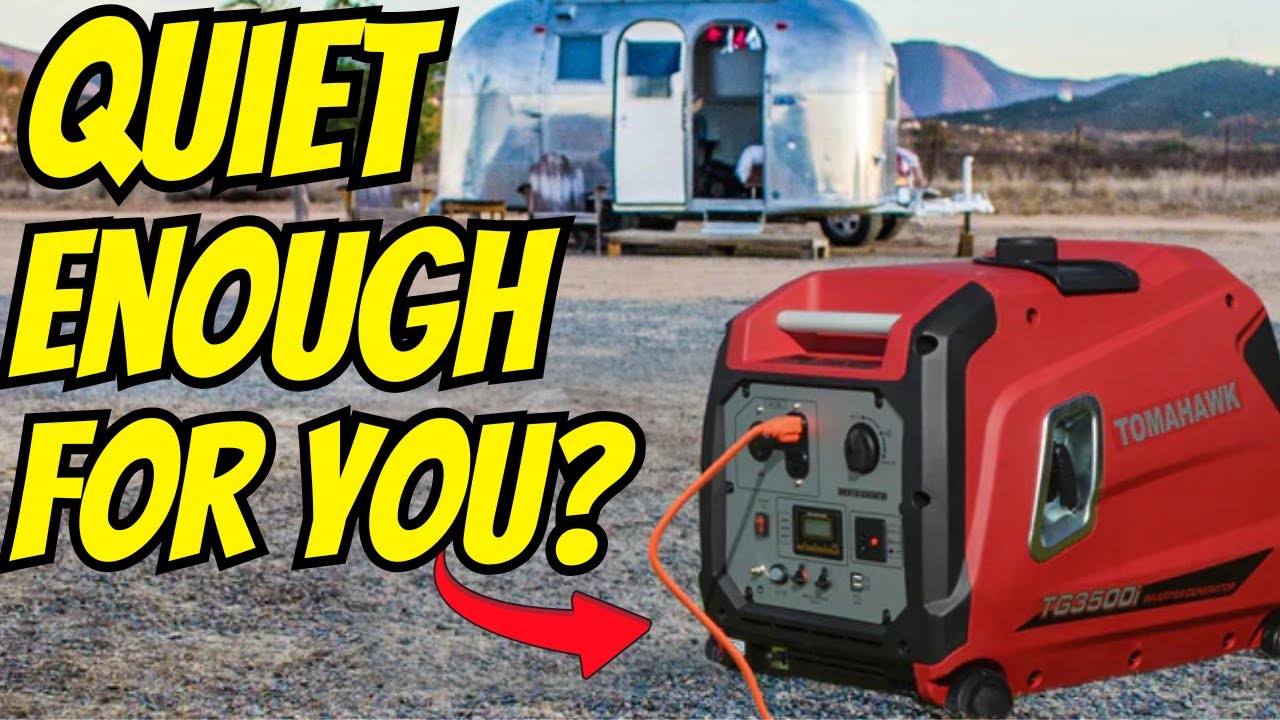
Quiet generatorslike Yamaha are perfect for camping. They do not disturb nature or other campers. Easy to carry and start, they fit well in tents or small campsites.
During home power outages, a low noise generator keeps your family safe and calm. It runs appliances quietly, so you can sleep or work without noise.
Events and public spacesneed silence for talks, music, and fun. Quiet generators keep the sound low, making the event pleasant for everyone.
Credit: m.youtube.com
Frequently Asked Questions
How Quiet Is A Yamaha Generator Compared To Others?
Yamaha generators are known for their quiet operation. They typically produce noise levels between 51-65 decibels, which is quieter than many competitors. This makes them ideal for camping, home use, and outdoor events where low noise is essential.
What Factors Affect Yamaha Generator Noise Levels?
Noise levels depend on the model, engine size, and load. Inverter generators are quieter than conventional ones. Yamaha uses noise-reducing technology and sound-insulated designs to minimize operational sound for user comfort.
Can Yamaha Generators Run Silently Indoors?
While Yamaha generators are quiet, they are not silent and should not run indoors. Proper ventilation is crucial to avoid carbon monoxide buildup. Always operate generators in well-ventilated outdoor areas for safety.
Does Yamaha Offer Noise Reduction Accessories?
Yes, Yamaha provides sound-dampening accessories like mufflers and covers. These help reduce noise further during operation. Using these can enhance the quietness of your generator in noise-sensitive environments.
Conclusion
Yamaha generators run quietly and smoothly. They produce less noise than many other brands. This makes them great for camping and home use. Quiet operation means less disturbance for you and neighbors. You can enjoy power without loud, distracting sounds.
Yamaha’s design focuses on reducing noise effectively. Overall, these generators balance power and quietness well. They offer reliable energy without noise issues. Choosing a Yamaha means choosing peace and power together.