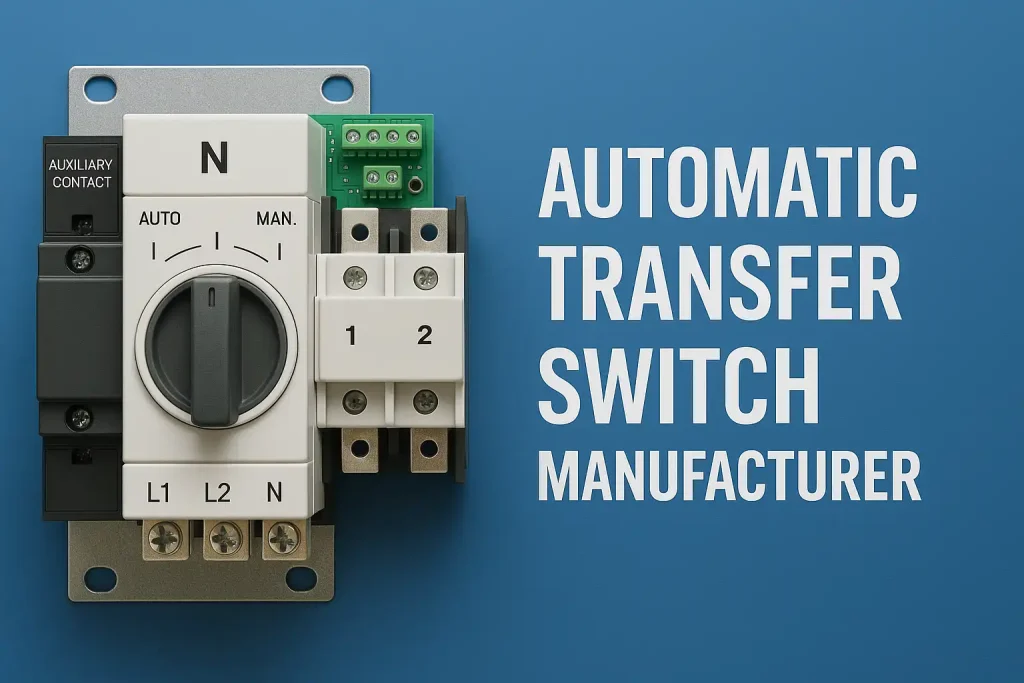
Imagine a power outage strikes your neighborhood. Suddenly, everything goes dark.
Your first instinct might be to scramble for a flashlight or light a candle. But what about the vital appliances you rely on daily? Enter the Automatic Transfer Switch (ATS). This device promises a seamless transition from main power to backup power, ensuring your life goes uninterrupted.
But just how reliable are these switches? Do they truly deliver peace of mind, or are they just another gadget that could fail when you need it most? Understanding the reliability of ATS can be the difference between calm and chaos during a power failure. Dive into this article to uncover the truths about Automatic Transfer Switches and discover if they are the dependable solution your home or business needs.
Basics Of Automatic Transfer Switches
An Automatic Transfer Switch (ATS)is a device that moves power from the main source to a backup source. It keeps power flowing without delay.
Core componentsinclude the transfer switch itself, control panel, and sensors. The switch detects power loss and switches sources fast. The control panel tells the switch when to act. Sensors check voltage and current to ensure safe switching.
| Type of Transfer Switch | Description |
|---|---|
| Open Transition | Breaks connection before switching to backup power. |
| Closed Transition | Maintains connection during the switch, no power loss. |
| Soft Load Transfer | Switches with low current to avoid power surges. |
How they work:The ATS watches the main power. If it fails, the switch moves power to the backup source quickly. It keeps power safe and steady for your devices.
Factors Affecting Reliability
Quality of componentsplays a big role in how well automatic transfer switches work. Parts made from strong materials last longer and fail less often. Cheaper parts may break or cause problems.
Installation practicesmust follow rules carefully. Poor installation can cause switch failure or slow response. Proper wiring and secure connections help switches work smoothly.
Maintenance importancecannot be ignored. Regular checks and cleaning keep switches in good shape. Fixing small issues early stops bigger problems later. Maintenance ensures switches switch power without delay.
Common Failure Modes
Mechanical wear and tearis common in automatic transfer switches. Moving parts can get old and break. Springs lose strength. Contacts may become worn or dirty. This can cause the switch to fail or work slowly. Regular checks and cleaning help avoid problems.
Electrical faultsoften occur due to short circuits or overloads. Wiring can become loose or damaged. Faulty connections may cause sparks or fires. Surge protection and proper installation reduce these risks. Testing the system regularly helps find faults early.
Environmental influenceslike dust, moisture, and extreme temperatures affect performance. Dust can block parts, moisture can cause rust, and heat can damage components. Keeping the switch in a clean, dry place helps it last longer. Sometimes, extra protection like covers is needed.

Credit: onccy.com
Testing And Performance Standards
Industry certificationsensure that automatic transfer switches meet strict quality and safety rules. Certifications like UL 1008 and IEC 60947-6-1 prove the switch has passed important tests. These standards check how well the switch works under different conditions.
Routine testing keeps switches reliable. Tests often include mechanical operation, electrical performance, and transfer time. Regular checks help find problems before they cause failure.
| Performance Benchmarks | Description |
|---|---|
| Transfer Time | Switches transfer power in less than 4 seconds. |
| Mechanical Durability | Switches withstand thousands of on/off cycles without damage. |
| Electrical Endurance | Switches handle rated current continuously without overheating. |
| Safety Tests | Switches must prevent electric shocks and fire hazards. |
Improving Transfer Switch Reliability
Regular checkskeep transfer switches working well. Clean all parts to avoid dust build-up. Tighten loose connections to prevent faults. Test the switch often to catch problems early.
Using new partsimproves switch performance. Replace old or worn components like contacts and coils. Upgraded parts last longer and reduce failures.
| Monitoring Tool | Purpose | Benefit |
|---|---|---|
| Voltage Sensors | Check power quality | Detects voltage drops early |
| Current Meters | Measure electrical load | Prevents overload damage |
| Temperature Sensors | Monitor heat levels | Avoids overheating issues |
| Remote Diagnostics | Track switch status | Enables quick fault response |
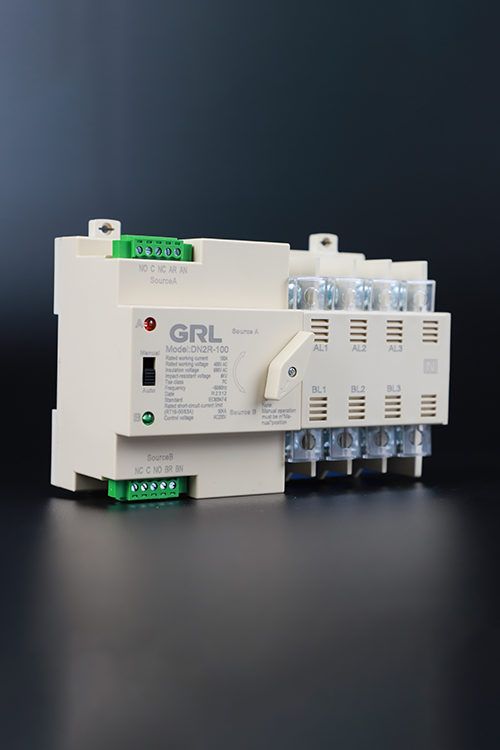
Credit: www.grlgroup.com
Real-world Reliability Cases
Automatic Transfer Switches (ATS)have proven their value in many real-world cases. They switch power sources quickly during outages, keeping important systems running without delay.
Success storiesinclude hospitals and data centers where ATS kept power stable. These switches helped avoid costly downtime and kept safety systems active.
Some failures happened when ATS were not maintained well. Problems like mechanical wearor incorrect installationcaused delays in switching. These cases show the need for regular checks and proper setup.
Lessons learned:
- Regular maintenance extends ATS life.
- Proper installation ensures quick response.
- Testing ATS under load confirms reliability.
- Training staff to use ATS reduces errors.
Future Trends In Transfer Switch Technology
Smart switchesare changing how automatic transfer switches work. They connect easily with other devices using Internet of Things (IoT)technology. This allows remote control and real-time monitoring from any place. Users can get alerts if there is a power issue.
Transfer switches now have better durability. They use new materials that last longer and resist wear. These switches can handle more stress and extreme weather conditions. This means fewer breakdowns and less need for repairs.
| Feature | Benefit |
|---|---|
| Smart Switches | Remote control, real-time alerts |
| IoT Integration | Connects to devices, easy monitoring |
| Enhanced Durability | Longer life, withstands harsh conditions |
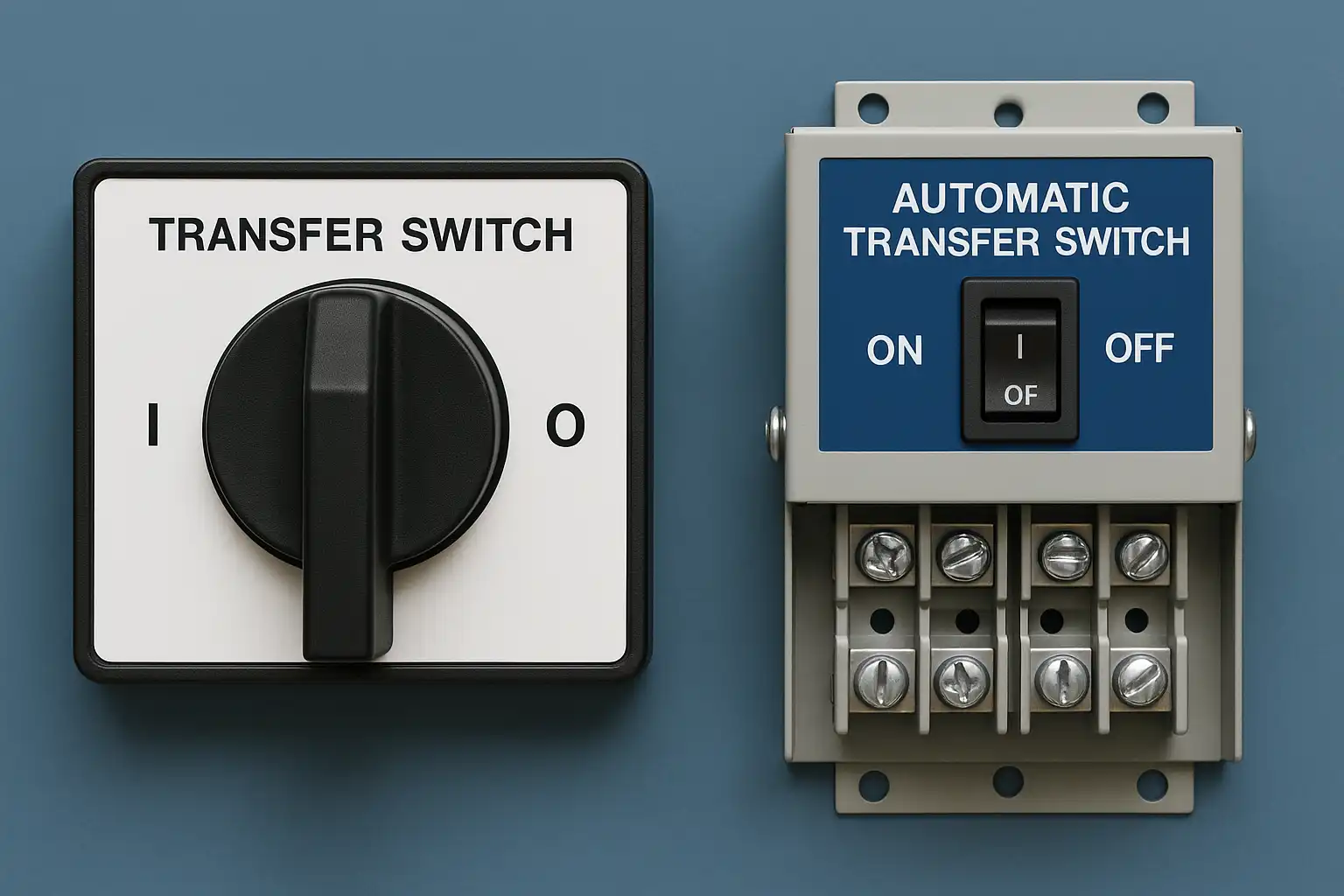
Credit: www.onesto-ep.com
Frequently Asked Questions
What Factors Affect The Reliability Of Automatic Transfer Switches?
The reliability depends on build quality, maintenance frequency, and proper installation. High-quality ATS units with regular checks perform best. Environmental conditions and electrical load also influence durability and functionality.
How Often Should Automatic Transfer Switches Be Tested?
Testing should occur every 6 to 12 months. Regular testing ensures the ATS functions correctly during power outages. This prevents unexpected failures and maintains system reliability.
Can Automatic Transfer Switches Fail During Power Outages?
Yes, failures can happen due to mechanical wear, electrical faults, or poor maintenance. Proper installation and routine inspections minimize failure risks, ensuring smooth power transfer during outages.
Are All Automatic Transfer Switches Equally Reliable?
No, reliability varies by brand, design, and quality standards. Investing in reputable brands and certified models improves performance and longevity. Always choose ATS units that meet industry standards.
Conclusion
Automatic Transfer Switches offer consistent power backup for homes and businesses. They switch power sources quickly during outages. This ensures minimal interruption and keeps devices running smoothly. Regular maintenance helps keep them reliable over time. Choosing a quality ATS can reduce risks and improve safety.
Overall, they provide peace of mind when power fails. A smart choice for anyone needing steady electricity supply. Trust in their ability to protect your important systems.