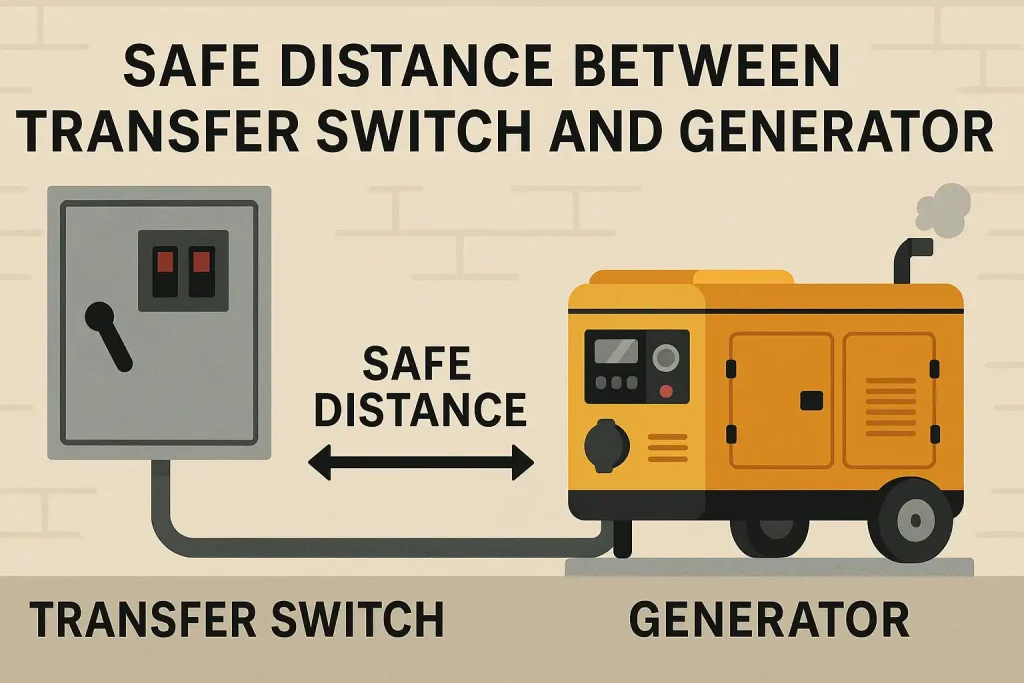
Have you ever wondered how safe your home or business is during a power outage when you switch to a backup generator? The heart of this transition lies in a device known as a transfer switch.
It might sound technical, but understanding its safety implications is crucial for you and your loved ones. Imagine the comfort of knowing that your lights, appliances, and essential systems are powered without risking your electrical safety. This article will unravel the mysteries of transfer switches, ensuring you can make informed decisions.
Stick around as we dive into the essentials, helping you keep your environment safe and sound.
Role Of Transfer Switches
A transfer switchchanges the power source for a building. It moves the power from the main grid to a backup generator safely. This switch stops both sources from working at once, which can be dangerous.
There are two main types of transfer switches:
- Manual transfer switch:Someone must switch the power source by hand.
- Automatic transfer switch:The switch changes power sources on its own when needed.
| Type | How it Works | Use |
|---|---|---|
| Manual | Switched by a person | Simple and low cost |
| Automatic | Switches power automatically | For quick power backup |
Safety Risks Associated
Electrical hazardsare a major risk with transfer switches. Faulty wiring can cause electric shocksor fires. Using the wrong switch type may lead to overloadsor short circuits. Regular inspection is important to spot issues early.
Improper installationis dangerous. A poorly installed transfer switch can cause power surgesthat damage appliances. It may also fail to switch power correctly, leading to outages or electrical fires. Only qualified electricians should handle installation to ensure safety.
- Wrong wiring can cause shockor fire.
- Incorrect switch type risks overloads.
- Poor installation may cause power surges.
- Professional installation reduces accident risks.
Safety Features In Transfer Switches
Automatic transfer switchesswitch power without human help. They sense power loss and switch to backup power fast. This reduces risk of electric shock and damage. Manual transfer switchesneed a person to switch power. They are simple but slower. They need careful use to avoid accidents.
Built-in protection systemskeep users and equipment safe. These include:
- Overload protectionthat stops too much current.
- Short circuit protectionto prevent sparks and fires.
- Ground fault detectionto catch leaks in electricity flow.
- Lockout featuresto avoid wrong switching.
These safety features work together to make transfer switches reliable and safe for home or business use.

Credit: www.reddit.com
Installation Best Practices
Professional installationensures the transfer switch works safely and reliably. Experts know how to handle electrical connections correctly. They reduce risks like short circuits and power surges.
Following code complianceis vital. It means meeting local electrical rules and safety standards. This protects your home and avoids legal problems. Using the right materials and tools is part of the standards.
| Best Practices | Details |
|---|---|
| Hire Licensed Electricians | They have training and experience with transfer switches. |
| Use Approved Equipment | Only use switches that meet local electrical codes. |
| Follow Local Codes | Install according to rules to ensure safety and legality. |
| Test After Installation | Check switch operation before use to avoid hazards. |
Maintenance And Inspection Tips
Routine checks help keep a transfer switchsafe and working well. Look for loose wires, broken parts, or signs of corrosion. Clean any dust or dirt around the switch to avoid problems. Test the switch regularly to confirm it moves smoothly between power sources. Listen for strange sounds during operation. Check that all connectionsare tight and secure. Keep a record of inspections and any repairs done.
Signs of wear and malfunction include:
- Switch feels hot or smells burnt
- Switch does not move easily or sticks
- Visible cracks or damage on the switch casing
- Unexpected power loss or flickering
- Buzzing or humming noises
Spotting these signs early helps prevent accidentsand costly repairs.
Common Mistakes To Avoid
DIY installation of a transfer switch carries serious risks. Ignoring manufacturer guidelinescan cause dangerous wiring errors. This may lead to electrical shocksor fire hazards. Transfer switches must match the generator and house load requirements exactly.
Many people try to save money by installing themselves. This often results in incorrect connectionsor damaged equipment. It is crucial to follow the instructions carefully and use proper tools. Never bypass safety features or modify parts.
- Incorrect wiring can cause circuit overloads.
- Failing to turn off power before installation is dangerous.
- Using wrong gauge wires can cause overheating.
- Not grounding the switch properly increases shock risk.
- Skipping inspection by a licensed electrician may void warranties.
Emerging Technologies
Smart transfer switches come with advanced featuresthat boost safety and convenience. They can detect power outagesinstantly and switch power sources without delay. These switches often include remote monitoring, allowing users to check status from anywhere.
Improved safety comes from built-in sensorsthat prevent overload and short circuits. Some models have automatic shutdownin unsafe conditions. This helps protect your home and equipment.
- Real-time alertsfor faults or failures
- Energy-efficientoperation modes
- Seamless switchingto avoid power loss
- Compatibilitywith smart home devices
These innovations make transfer switches saferand easier to use than ever before.

Credit: www.amazon.com

Credit: www.reddit.com
Frequently Asked Questions
What Is The Safety Purpose Of A Transfer Switch?
A transfer switch safely switches power sources from the utility to a generator. It prevents backfeeding and electrical hazards, protecting both users and utility workers.
Can Transfer Switches Prevent Electrical Fires?
Yes, transfer switches reduce fire risks by ensuring proper power flow. They prevent overloads and short circuits during power source changes.
How Does A Transfer Switch Protect Utility Workers?
It isolates generator power from the grid, preventing dangerous backfeed. This isolation keeps utility workers safe during power outages and repairs.
Are Transfer Switches Safe For Home Installation?
Yes, when installed by professionals, transfer switches are safe. Proper installation ensures they work correctly and comply with electrical codes.
Conclusion
A transfer switch helps keep your power safe and steady. It stops electrical problems that can harm your home. Using it reduces risks of fires and shocks. Always choose a switch that fits your needs. Proper installation matters a lot for safety.
Regular checks keep it working well. Safe power means peace of mind for you. Trust the right tools to protect your family and property.