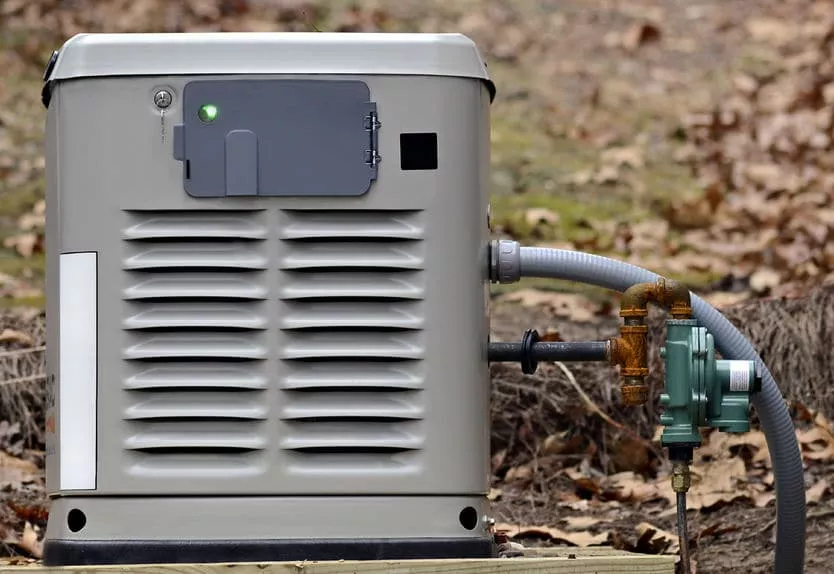
Imagine a stormy night, the lights flicker, and suddenly, you’re plunged into darkness. What if you could avoid that unsettling moment and keep your home humming with life?
Standby generators are your silent partners, ready to spring into action when the unexpected happens. You might be wondering, how exactly does this magical machine work? Understanding the mechanics of a standby generator can empower you to make informed decisions about your home’s safety and comfort.
Dive into this article to discover the inner workings of these powerful devices and how they can become a reliable ally in your life. Don’t let a power outage catch you off guard—discover how a standby generator can keep your world illuminated.

Credit: dustinsmechanical.com
Basics Of Standby Generators
Standby generatorsprovide power automatically during outages. They switch on quickly to keep your home or business running. Different types suit different needs.
- Portable generatorsare small and easy to move. They need manual setup and refueling.
- Automatic standby generatorsturn on by themselves when power fails. They connect to your home wiring.
- Inverter generatorsoffer clean power for sensitive electronics. They are quiet and fuel-efficient.
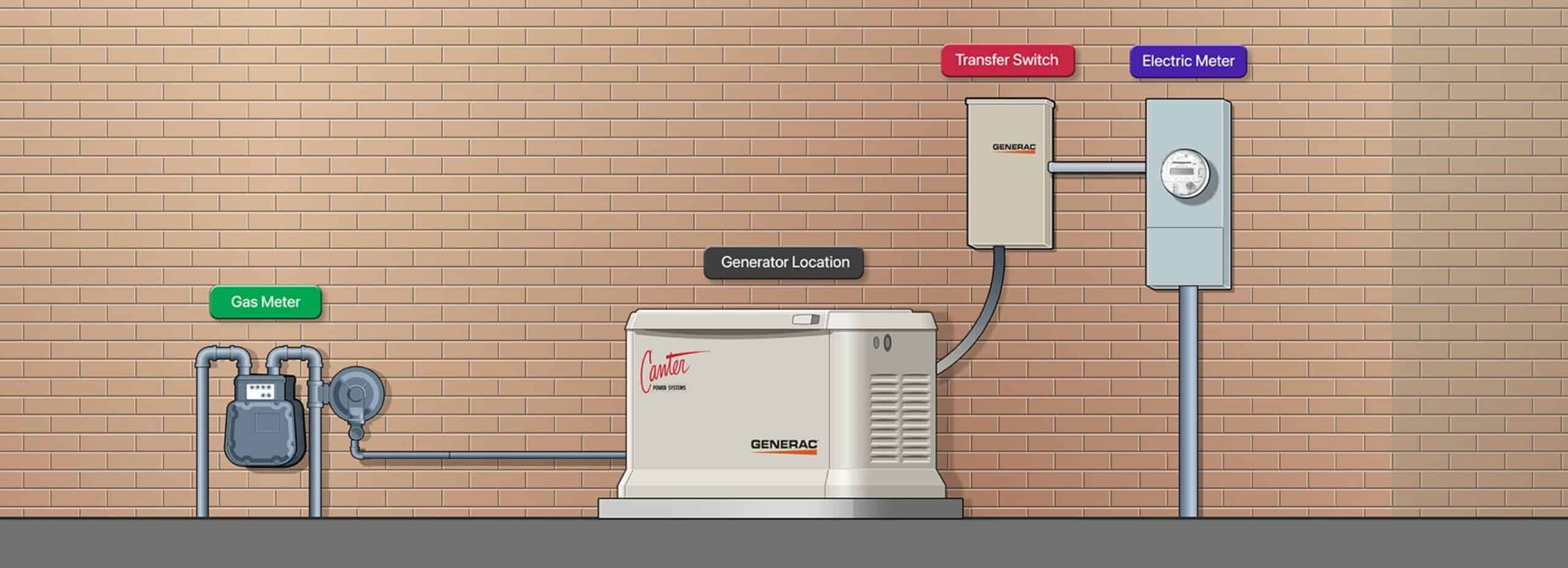
Key parts include the engine, alternator, control panel, and transfer switch. The engine runs the generator. The alternator creates electricity. The control panel manages operation. The transfer switch shifts power from the grid to the generator.
Power sources vary. Common types are natural gas, propane, and diesel. Natural gas is often connected to city lines. Propane is stored in tanks. Diesel is fuel for heavy-duty use.
Credit: canterpowersystems.com
Automatic Operation Process
Detecting power outagesis the first step in the automatic operation of a standby generator. A sensor monitors the main power supply and notices any interruptions. This sensor sends a signal to start the generator quickly.
The starting mechanismuses an electric starter motor. It turns on the generator engine automatically. The engine begins to run and produce electricity within seconds after the power goes out.
The switching power supplyis done by an automatic transfer switch (ATS). The ATS disconnects the home or building from the main power line. Then, it connects the electrical system to the generator’s power output. When the main power returns, the ATS switches back to normal power and shuts off the generator safely.
Fuel And Maintenance
Fuel optionsfor standby generators include natural gas, propane, and diesel. Natural gas flows through pipelines and needs no refilling. Propane comes in tanks and stores well for long periods. Diesel must be kept fresh and stored safely to avoid issues.
Proper fuel storageprevents damage and ensures the generator runs during outages. Tanks should be kept in a cool, dry place. Regular checks on fuel quality help avoid clogging and engine problems.
- Check oil and coolant levels monthly.
- Test the battery and clean terminals.
- Run the generator regularly to keep parts moving.
- Inspect air filters and replace if dirty.
- Keep the generator clean from dust and debris.
| Common Issue | Cause | Troubleshooting |
|---|---|---|
| Won’t start | Dead battery or no fuel | Charge battery, check fuel supply |
| Runs rough | Dirty air filter or old fuel | Replace filter, use fresh fuel |
| Shuts off suddenly | Overheating or low oil | Check oil level, clean cooling fan |
Installation And Safety
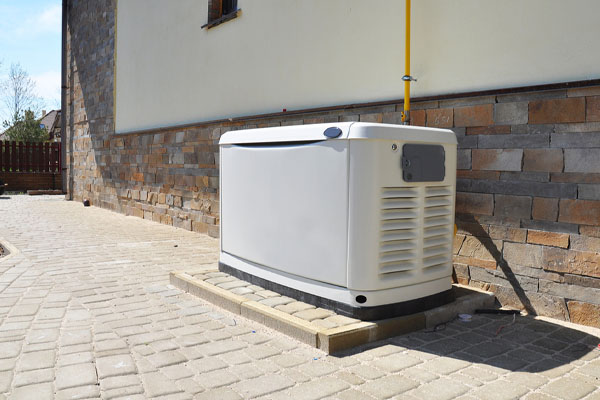
Choosing the right placementis key for a standby generator. It should be outside, on a flat, stable surface. Keep it at least 5 feet awayfrom windows and doors to avoid carbon monoxide buildup. Avoid areas prone to flooding or heavy snow.
Proper wiring and connectionensure safe and efficient power supply. A licensed electrician must connect the generator to your home’s electrical system. Use a transfer switchto prevent backfeed and protect utility workers.
- Never plug the generator directly into a wall outlet.
- Check all connections for tightness and corrosion.
- Use correct wire gauges as per the generator size.
Safety precautionsare critical to prevent accidents. Always install carbon monoxide detectors inside the home. Keep the generator dry and never operate it indoors or in garages. Regularly inspect fuel lines and filters for leaks or damage.
Benefits Of Standby Generators
Continuous power supplykeeps your home running during outages. It turns on automaticallyin seconds. Lights, fridge, and heating stay on without any interruption. No need to worry about losing food or missing important work.
Protecting applianceshelps avoid damage from sudden power loss. Standby generators provide clean and stable electricity. This prevents electrical spikes that can harm devices. Your TV, computer, and other appliances stay safe and last longer.
Increasing property valuemakes your home more attractive to buyers. A standby generator is a valuable featurein areas with frequent power outages. It shows the house is well-preparedand reliable. This can make selling easier and faster.
Credit: columbusenergies.com
Choosing The Right Generator
Choosing the right standby generator depends on several key factors. Sizing your generatoris very important to match your power needs. Too small, it won’t run all your devices. Too big, it wastes fuel and costs more.
Here are some points to consider for sizing:
- List all appliances and devices to power.
- Check their wattage requirements.
- Add extra wattage for starting motors.
- Choose a generator with a bit more capacity than total load.
| Feature | Portable Generator | Standby Generator |
|---|---|---|
| Power Capacity | Small to medium | Medium to large |
| Fuel Type | Gasoline, propane | Natural gas, propane |
| Automatic Start | No | Yes |
| Installation | None needed | Professional required |
Budget plays a key role. Standby generators cost more upfront but offer more power and convenience. Portable generators cost less but need manual setup.
Frequently Asked Questions
How Does A Standby Generator Detect Power Outages?
A standby generator uses an automatic transfer switch. It senses power loss instantly and starts the generator within seconds. This ensures seamless electricity supply during outages without manual intervention.
What Fuel Types Power Standby Generators?
Standby generators commonly use natural gas, propane, or diesel. Natural gas is popular for its convenience and continuous supply. Propane and diesel offer reliable backup but require fuel storage on-site.
How Long Can A Standby Generator Run Continuously?
Most standby generators can run 24 to 48 hours nonstop. Continuous runtime depends on fuel availability and generator capacity. Proper maintenance ensures safe and efficient extended operation during outages.
Is A Standby Generator Noisy During Operation?
Standby generators produce some noise, but modern models are designed to minimize it. Soundproof enclosures and advanced mufflers reduce noise levels, making them suitable for residential areas.
Conclusion
Standby generators keep your power on during outages. They start automatically when electricity fails. Fuel powers the engine, creating electricity quickly. These generators protect homes and businesses from darkness. Knowing how they work helps you choose the right one. A reliable standby generator means peace of mind.
Power stays steady, no matter the weather outside. Simple, automatic, and effective—standby generators are smart safety tools.