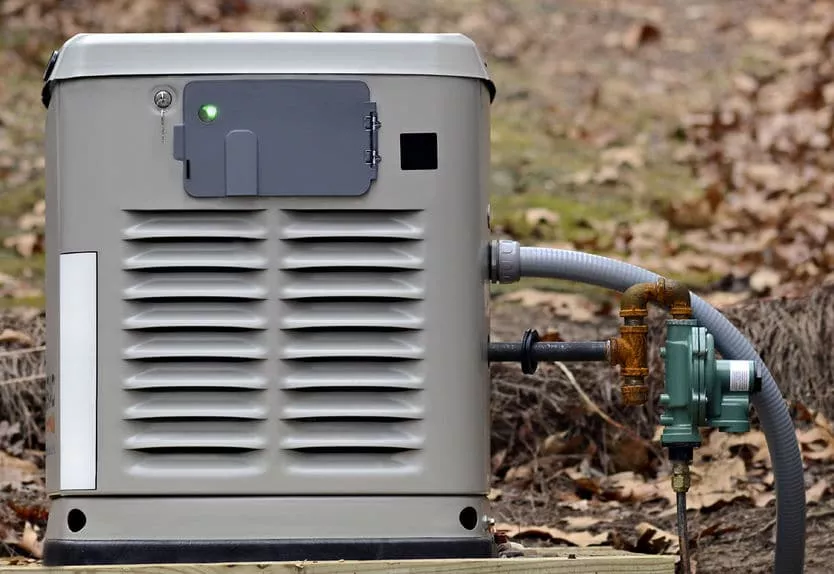
Imagine a storm hits, and suddenly, the power goes out. You’re plunged into darkness, your appliances stop working, and everything comes to a standstill.
In moments like these, a standby generator can be your saving grace. But have you ever wondered how these powerful machines actually work? Understanding the inner workings of standby generators can give you peace of mind and help you make informed decisions about your home’s power needs.
You’ll uncover the secrets of how standby generators kick into action when you need them the most. Prepare to explore the fascinating mechanics behind these essential devices, and discover why having one might just be the smartest move for you and your home.
Credit: columbusenergies.com
Basics Of Standby Generators
A standby generatoris a device that provides power during an outage. It turns on automaticallywhen the main power fails. This helps keep homes and businesses running without interruption.
Key components include:
- Engine:Runs the generator using fuel.
- Alternator:Produces electricity.
- Transfer switch:Switches power from the grid to the generator.
- Fuel system:Supplies fuel to the engine.
- Control panel:Manages operation and safety features.
Common types of fuel used:
| Fuel Type | Description |
|---|---|
| Natural Gas | Clean and often supplied by utility lines. |
| Propane | Stored in tanks; easy to store and use. |
| Diesel | Powerful and reliable but needs storage space. |
Power Generation Process
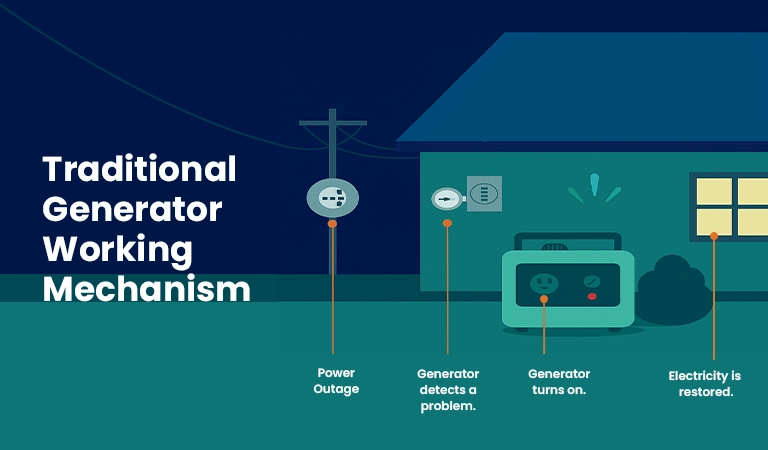
Automatic power detectionsenses when the main power goes out. The standby generator waits quietly until it detects a power loss. Once power loss is detected, it signals the engine to start.
The engine startupbegins immediately after detection. The engine uses fuel to create mechanical energy. This energy turns the generator’s rotor. The rotor spins inside a magnetic field. This action creates electrical power.
Power output deliveryhappens quickly. The generator sends electricity to the home or building. It powers lights, appliances, and devices. The switch from main power to generator power is usually seamless.
Installation And Setup
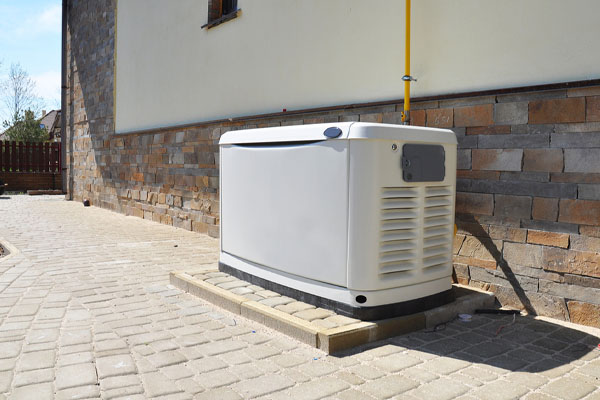
Choosing the right sitefor the standby generator is important. It should be on a flat surface outside the house. The area must be dry and clear of plants or debris. Make sure there is enough space around the generator for airflowand maintenance access.
The generator connects to the home electrical systemusing a transfer switch. This switch safely moves power from the utility to the generator during outages. A licensed electrician must handle the wiring to avoid risks.
- Keep the generator away from windows and vents to prevent carbon monoxide buildup.
- Install a carbon monoxide detector near the home.
- Follow local codes and regulations for installation.
- Use proper grounding to protect against electrical shocks.
Maintenance And Testing
Routine checks keep standby generatorsin good shape. Look for fuel leaks, oil levels, and air filters. Check battery charge and clean terminals. Ensure the generator starts and runs smoothly.
Common issues include battery failure, clogged filters, and fuel problems. Fix by replacing batteries or filters as needed. Use fresh fuel and clean parts regularly to avoid trouble.
Regular testing helps find problems early. Run the generator under load for 15-30 minutes. This confirms it can handle power needs during an outage. Testing also keeps the engine parts lubricated and ready.
Benefits Of Standby Generators
Continuous power supplykeeps your home running during blackouts. It powers lights, appliances, and heating systems automatically. No need to plug in or start it yourself. This helps avoid problems and keeps your family safe and comfortable.
Protection against outagesmeans no sudden loss of power. Food stays fresh in the fridge. Electronics stay on without damage. Medical devices keep working. This gives peace of mind, especially in bad weather or emergencies.
Increased property valuemakes your home more attractive to buyers. A standby generator shows you care about safety and convenience. It can be a strong selling point. Many buyers see it as a smart investment.

Credit: dustinsmechanical.com
Choosing The Right Generator
Choosing the right generator means finding the correct size, fuel type, and features. A generator too small will not power your needs. One too big wastes money and fuel. Check the total wattage of devices you want to run. Add a little extra for safety. This helps in sizing your generator well.
Fuel options usually include gasoline, propane, or natural gas. Each has its pros and cons. Gasoline is easy to find but stores poorly. Propane lasts longer and burns cleaner. Natural gas is often cheaper but needs a connection to your home.
Budget affects your choice too. More features mean higher costs. Features like automatic startor quiet operationadd comfort. Decide what features are must-haves and which ones you can skip. This helps balance cost and value.
Credit: solarsme.com
Frequently Asked Questions
How Does A Standby Generator Start Automatically?
A standby generator starts automatically when it detects a power outage. It switches power from the utility to the generator within seconds, ensuring continuous electricity without manual intervention. This seamless process protects your home or business from power interruptions.
What Fuels Do Standby Generators Use?
Standby generators commonly use natural gas, propane, or diesel as fuel. Natural gas and propane are preferred for residential use due to cleaner emissions. Diesel is often used in commercial models for longer run times and higher power output.
How Long Can A Standby Generator Run Continuously?
Standby generators can run continuously for several hours to days, depending on fuel supply. Natural gas and propane models run as long as fuel is available. Diesel generators require regular refueling but can also operate for extended periods.
Are Standby Generators Noisy During Operation?
Modern standby generators are designed to operate quietly with noise-reducing enclosures. Noise levels typically range between 60 to 70 decibels, similar to a normal conversation. Proper installation and placement further minimize operational noise.
Conclusion
Standby generators keep power on during outages. They start automatically when electricity fails. Fuel powers the generator to create electricity. This helps homes and businesses stay safe and comfortable. Regular maintenance keeps them ready to work. Knowing how they operate helps you choose the right one.
Reliable power means less worry during storms or blackouts. Simple, smart, and dependable—standby generators protect your daily life.