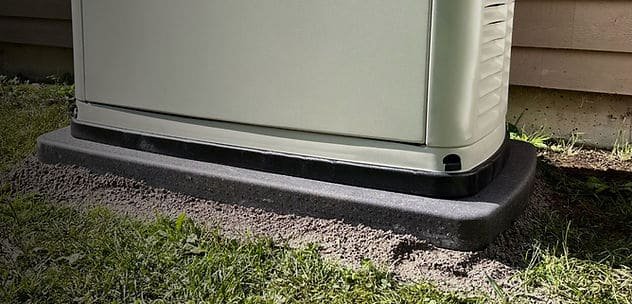
Are you planning to install an 80Kw standby generator? If so, you know that a reliable foundation is crucial for ensuring your generator’s optimal performance.
Properly installing a generator pad can mean the difference between peace of mind during power outages and facing unexpected issues. Imagine the confidence you’ll feel knowing your generator is securely set up, ready to kick in whenever needed. This guide will walk you through the essential steps for constructing a sturdy and effective generator pad.
By the end of this article, you’ll have all the knowledge you need to ensure your generator operates smoothly, providing uninterrupted power when you need it most. Stick with us as we explore this crucial component of your backup power strategy.

Credit: norwall.com
Choosing The Right Location
Choose a flat, solid spot for your 80Kw standby generator pad. The area must be clear of debris and large enough to hold the pad and generator. Ensure the site is close to the main power source but far from windows or doors to reduce noise and fumes inside.
Easy access is crucial for maintenance and repairs. Leave enough space around the generator for technicians to work safely. Avoid places where water can collect or flood.
Check local rules before installation. Many places have specific codesfor generator placement, size, and clearance. Permits might be needed. Follow all safety guidelines to avoid fines and ensure safe operation.

Credit: norwall.com
Gathering Materials And Tools
Gather the right materialsbefore starting the generator pad. A sturdy base is key for safety and durability. Use concrete mixfor a strong pad. Reinforcement bars add strength. A wooden frame helps shape the pad while curing. Gravel or crushed stone creates a stable layer under the pad to prevent sinking.
Essential tools make the job easier. Use a shovelto dig and level the site. A wheelbarrowhelps move concrete and gravel. A trowelsmooths the surface. A levelensures the pad is flat. Concrete mixer or mixing tub is needed for combining materials. Measuring tape checks dimensions precisely.
| Required Materials | Essential Tools |
|---|---|
| Concrete mix | Shovel |
| Reinforcement bars | Wheelbarrow |
| Wood for frame | Trowel |
| Gravel or crushed stone | Level |
| Measuring tape | |
| Concrete mixer or tub |
Preparing The Ground
Clear and level the site to create a stable base for the 80kW standby generator pad. Use compacted gravel or concrete to ensure strong support and proper drainage. Accurate measurements keep the pad square and ready for installation.
Clearing And Leveling The Site
Clear the area of all debris, rocks, and plants. The ground must be flat and firm. Use a shovel or a rake to remove uneven spots. Compact the soil to avoid sinking later. A level surface keeps the generator stable and safe.
Marking The Pad Dimensions
Measure the generator size and add extra space for airflow and maintenance. Use stakes and string to mark the pad edges clearly. Double-check measurements to ensure accuracy. Proper marking guides the concrete pour or pad placement.

Credit: justpower.en.made-in-china.com
Building The Concrete Pad
Setting up formsmeans creating a frame to hold the concrete. Use wood or metal forms that fit the pad size. Make sure the forms are level and square. Secure them with stakes to stop movement during pouring.
Mixing and pouring concreterequires the right mix for strength. Use a mix with good cement, sand, and gravel. Pour the concrete into the forms evenly. Avoid gaps or air pockets by tapping the sides gently.
Smoothing and finishing surfaceinvolves leveling the concrete with a screed board. Then, use a float to smooth rough spots. Finish with a trowel for a flat surface. Add grooves if needed to prevent slipping.
Curing time and tipsmatter for strong concrete. Keep the pad moist by covering it with plastic or wet burlap. Let it cure for at least 3 to 7 days. Avoid heavy weight or stress on the pad during this time.
Installing The Generator
Place the generator carefully on the concrete pad. Make sure it sits flat and stable. Check the edges to keep it centered and balanced. This helps prevent vibrations and damage.
Use strong bolts or anchors to secure the generator. Tighten them well to keep the unit from moving during use. Proper securing improves safety and performance.
- Connect the fuel line to the generator’s fuel inlet securely.
- Check for leaks by inspecting the connections closely.
- Attach the electrical lines to the control panel and main power supply.
- Follow the wiring diagram to avoid errors and hazards.
Double-check all connections. Tight and leak-free fuel lines are critical. Safe and correct electrical wiring prevents damage and ensures smooth operation.
Testing And Maintenance
Before starting the 80Kw standby generator pad, check fuel and oil levels. Make sure all connections are tight and secure. Turn on the generator and let it run for 15-20 minutes to warm up. Listen for any unusual sounds or vibrations during startup. Monitor the control panel for error codes or alerts.
- Check oil and coolant levels weekly.
- Inspect battery terminals for corrosion.
- Clean air filters every 3 months.
- Look for fuel leaks or damaged hoses.
- Test generator under load every 6 months.
Common issues include failure to start, low oil pressure, and overheating. Check battery charge if the generator does not start. Inspect oil levels and refill if low. Overheating can be caused by blocked air flow or low coolant. Reset the control panel if error codes appear. Contact a professional if problems persist.
Frequently Asked Questions
What Size Pad Is Needed For An 80kw Standby Generator?
An 80Kw standby generator typically requires a concrete pad measuring 4×6 feet. The pad should be at least 4 inches thick to support the weight and vibrations. Proper pad size ensures stability, prevents shifting, and aids in proper generator operation.
How Thick Should The Generator Pad Be?
The generator pad should be a minimum of 4 inches thick. This thickness offers sufficient strength to support the generator’s weight. It also helps in absorbing vibrations and prevents cracking over time, ensuring long-lasting durability.
What Materials Are Best For A Generator Pad?
Concrete is the best material for a generator pad. It provides a stable, durable, and weather-resistant surface. Concrete pads also help in leveling the generator and reducing noise and vibrations during operation.
Where Should I Place The Generator Pad?
Place the generator pad on a level, well-drained area close to your electrical panel. Avoid low spots to prevent water pooling. Proper placement ensures easy access for maintenance and safe operation during power outages.
Conclusion
Building a sturdy pad for your 80kW standby generator ensures safe operation. Follow the right steps to create a strong, level base. Use proper materials and measure carefully for the best fit. A well-made pad helps protect your generator from damage and keeps it stable.
Taking time to prepare the pad saves headaches later. Your generator will work better and last longer with solid support. Keep safety and durability in mind throughout the process. Simple, careful work makes a big difference in the end.