Picture this: you’re enjoying the serenity of your off-grid lifestyle, but then, a cloudy week leaves your solar batteries yearning for a little extra boost. You’re not alone; many solar enthusiasts like you have faced this challenge.
That’s where adding a generator to your solar off-grid system becomes a game-changer. Imagine having the peace of mind that comes with knowing you have a reliable backup power source at your fingertips. In this guide, you’ll discover how to seamlessly integrate a generator into your existing solar setup, ensuring you’re never left in the dark.
Whether you’re a seasoned off-gridder or just starting out, these practical tips will empower you to enhance your energy independence. Ready to take control of your power future? Let’s dive in!

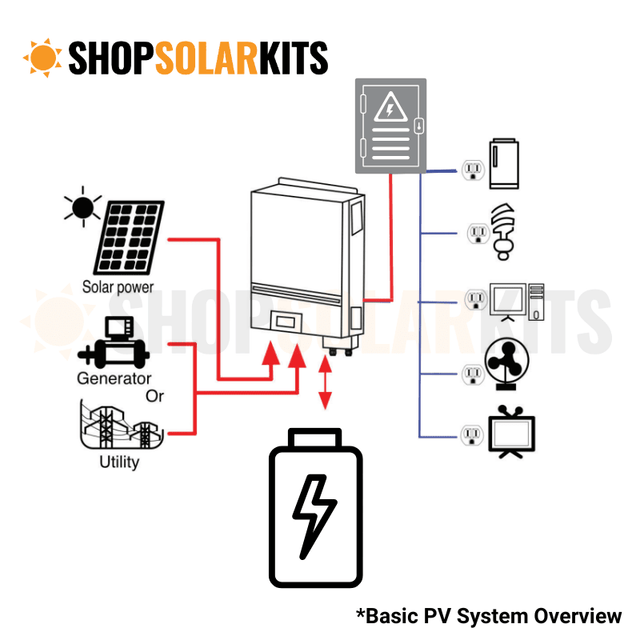
Credit: shopsolarkits.com
Solar Off-grid System Basics
Adding a generator to a solar off-grid system ensures power availability during cloudy days or high usage. Connect the generator to the system’s inverter or charge controller for seamless integration. This setup provides a reliable backup, enhancing energy security for off-grid living.
Key Components
Solar panels gather sunlight and turn it into electricity. Batteries store this electricity for use later. An inverter changes stored electricity into usable power. Charge controllers protect batteries from overcharging. Together, these parts make a solar off-grid system work.
Benefits Of Going Off-grid
Living off-grid gives you energy freedom. You won’t depend on city power. It saves money on monthly bills. You help the planet by using clean energy. It’s a smart choice for remote living.
Choosing The Right Generator
Adding a generator to a solar off-grid system ensures reliable power during cloudy days. Choose a generator compatible with your solar setup for seamless integration. Consider fuel type, wattage, and noise level to find the best fit for your needs.
Types Of Generators
Generators come in different types. Portable generators are easy to move. They are good for small needs. Standby generators are bigger. They stay in one place. They start automatically during power cuts. Inverter generators are quiet and fuel-efficient. They are best for sensitive electronics. Each type has its own benefits. Choose the one that fits your needs.
Factors To Consider
Think about power output. How much electricity do you need? Check the fuel type. Options include gas, diesel, and propane. Noise level is important. Some generators are loud. Look at the cost. Stay within your budget. Consider maintenance. Some generators need more care. Also, check the size. Make sure it fits your space. These factors will help you decide.
Integration With Solar Systems
Adding a generator to a solar off-grid system ensures power during cloudy days. Connect the generator to the battery bank for seamless energy supply. This setup provides backup power, enhancing system reliability.
Connecting Generator To Solar Setup
Connect the generator to your solar setup safely. Use a transfer switch for this connection. This switch helps control power flow. Make sure to hire a professional if unsure. A wrong connection can be dangerous. Always turn off power before connecting. The generator should match your system’s voltage. Never skip checking the generator’s compatibility. This ensures smooth integration with your solar system.
Managing Energy Flow
Managing energy flow is important. Use an energy management system. This system balances power from solar and generator. It prevents overloads and saves energy. Monitor energy levels with a display unit. This helps in understanding power usage. Adjust usage based on energy levels. Save excess energy for later use. This keeps your system efficient and reliable.
Installation Process
Wearing safety gloves and goggles is important. They protect your hands and eyes. Always turn off the main power before starting. This prevents electric shock. Check all wires are not damaged. Damaged wires can cause problems. Keep the area clean and dry. Wet areas can be dangerous.
- Find a good place for the generator. It should be close but safe.
- Connect the wires to the generator. Follow the color codes carefully.
- Use a strong frame to hold the generator. This keeps it stable.
- Check the connection of solar panels. They must be secure.
- Start the generator and test the system. Watch for any issues.
Maintenance And Troubleshooting
Adding a generator to a solar off-grid system ensures reliable power during low sunlight periods. Begin by selecting a compatible generator. Ensure proper wiring and connections to integrate seamlessly with your existing setup.
Routine Checks
Regular checks keep your generator working well. Look at wires and connections. Ensure they are tight and clean. Check the oil level. Add oil if it’s low. Inspect the fuel system for leaks. A clean air filter helps the generator breathe. Replace it if dirty. Batteries should be charged. A weak battery can cause issues.
Common Issues
- Generator won’t start: Check the fuel and battery.
- Engine runs rough: Clean or replace the air filter.
- No power output: Inspect the circuit breaker.
- Overheating: Ensure proper ventilation.
- Strange noises: Tighten loose parts.

Credit: www.youtube.com
Maximizing Efficiency
Integrating a generator into a solar off-grid system boosts reliability and power availability. Carefully balance solar and generator power sources to ensure efficient energy use. Regular maintenance helps maintain optimal performance and extends system life.
Optimal Usage Tips
Use your generator wisely. Turn it on during cloudy days. This helps keep power flowing. Charge batteries during off-peak hours. This saves energy and money. Monitor power usage closely. Avoid overloading your system. Regular checks keep everything running smoothly. Use energy-efficient appliances. They use less power.
Energy Storage Solutions
Store extra energy in batteries. Choose high-quality batteries. They last longer and store more power. Lithium batteries are a great option. They are lightweight and efficient. Check battery levels often. Ensure they are always charged. Use smart controllers. They manage energy flow effectively. Protect batteries from extreme temperatures. This keeps them working well.
Future Trends In Off-grid Power
Integrating a generator into solar off-grid systems enhances reliability. It provides backup power during cloudy days or high demand. Ensure seamless operation by selecting compatible equipment and maintaining proper connections.
Advancements In Technology
Technology is making off-grid power better. Solar panels are becoming more efficient. Batteries now store more energy and last longer. New generators are quieter and use less fuel. Smart systems help manage energy use better. They can predict weather and adjust power accordingly. People can use apps to monitor their systems. This helps in saving energy and money. Wind turbines are getting smaller and easier to install. All these advancements make off-grid living easier and more sustainable.
Sustainable Practices
Being off-grid supports the environment. People use renewable energy like solar and wind. This reduces pollution and helps the planet. Water conservation is also important. Collecting rainwater helps save resources. Composting toilets save water and enrich the soil. Using LED lights reduces energy use. Growing food in gardens reduces transport emissions. Recycling helps keep waste out of landfills. All these practices make off-grid living green and friendly.
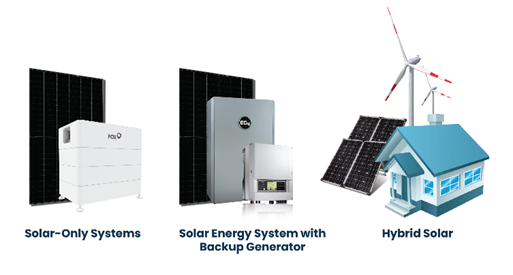
Credit: solarsme.com
Frequently Asked Questions
Can I Connect A Generator To My Solar System?
Yes, you can connect a generator to your solar system. Ensure proper integration to avoid system conflicts. Use appropriate equipment like transfer switches and consult professionals for a safe setup. This enhances energy reliability during low sunlight or power outages.
Always prioritize safety and compatibility for optimal performance.
How Long Will A 1000 Watt Solar Generator Run A Refrigerator?
A 1000-watt solar generator can run a refrigerator for about 6 to 12 hours. This depends on the refrigerator’s energy consumption, typically ranging from 100 to 800 watts. Ensure your solar generator is fully charged and check the fridge’s wattage for accurate results.
Can You Run A Generator Off Solar Power?
Yes, you can run a generator off solar power using a solar generator. It converts solar energy into electricity. Connect solar panels to the solar generator to charge it. This eco-friendly option provides a sustainable power source for various needs.
Ensure your solar generator’s capacity matches your power requirements.
Can You Live Off The Grid With A Solar Generator?
Yes, you can live off the grid with a solar generator. It provides renewable energy for essential appliances. Ensure you have sufficient solar panels and battery storage for continuous power. Evaluate your energy needs to determine the right system size.
Proper planning ensures a reliable off-grid lifestyle.
Conclusion
Adding a generator to your solar off-grid system enhances reliability. It ensures power during cloudy days or high demand. Choose the right generator size for your needs. Connect it properly for safety and efficiency. Regular maintenance keeps your system running smoothly.
A well-integrated system offers energy independence and peace of mind. Enjoy the benefits of renewable and backup power combined. Always prioritize safety and consult experts when needed. Embrace the freedom of your self-sufficient energy solution.