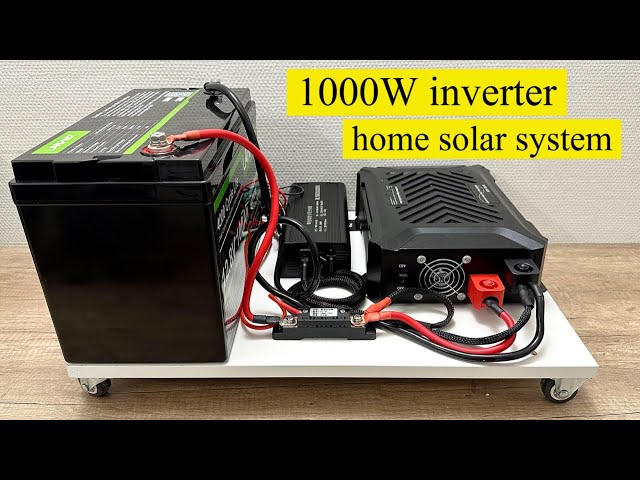
Imagine the peace of mind that comes with knowing your home will never be left in the dark. You’ve invested in a solar setup, and it’s been a game-changer.
But have you considered what happens when the sun isn’t shining? Adding a home backup system to your existing solar setup can be the missing piece of the puzzle. It ensures you have power whenever you need it, even during unexpected outages.
This guide will show you exactly how to enhance your solar system with a reliable backup. By the end, you’ll understand the steps and benefits, empowering you to make the most of your solar investment. Stay with us to unlock the full potential of your home energy solution.
Benefits Of Home Solar Backup
Home solar backupadds a layer of energy security. Power outages are less stressful. Your lights and appliances keep working. No more worrying about blackouts. Solar backup gives you peace of mind.
Saving money is a huge benefit. With solar backup, energy bills drop. You use less electricity from the grid. Over time, savings add up. Your wallet will thank you.
Solar energy is clean energy. It helps reduce pollution. The earth benefits from less carbon emissions. Solar backup supports a greener planet. Your choice helps protect the environment.
Choosing The Right Backup System
Enhancing an existing solar setup with a home backup system ensures energy reliability. Choose a backup system compatible with your solar equipment. This integration provides seamless power during outages, maintaining comfort and security.
Battery Storage Options
Battery storage is a smart choice for solar setups. It saves energy for later use. Lithium-ion batteries are popular and reliable. They hold a lot of power and last long. Lead-acid batteries are cheaper but need more care. They are good for short-term storage. Choose the right battery for your needs.
Generator Integration
Generators provide power when solar energy is low. They are useful during long cloudy days. Diesel generators are strong and reliable. They work well for homes needing lots of power. Portable generators are smaller and easy to move. They are handy during emergencies. Pick a generator that fits your solar setup.
Hybrid Systems
Hybrid systems combine batteries and generators. They provide a balanced power solution. Hybrid systems use solar first, then switch to other power sources. This ensures your home always has power. It is a flexible and efficient option for solar setups.
Sizing Your Backup System
Sizing Your Backup System Adding a home backup to an existing solar setup requires careful planning. Choose the right battery capacity to match your power needs. Ensure compatibility with your current solar system for seamless integration and efficiency.
Assessing Energy Needs
Determine what appliances need backup power. List essential devices like lights, refrigerator, and Wi-Fi. Check each device’s wattage. Add them up for total energy needs. This helps in sizing your backup correctly.
Calculating Storage Capacity
Total energy needs help calculate storage. Use kilowatt-hours (kWh) for this. More devices mean more storage needed. Consider battery capacity in kWh. Ensure it meets your calculated energy needs.
Planning For Future Expansion
Think about future energy needs. You may add more devices later. Choose a system that allows easy expansion. Some systems let you add more batteries. This flexibility is important for growing families.

Credit: www.youtube.com
Installation Process
Adding a home backup to an existing solar setup involves connecting a battery storage system. Ensure compatibility between the solar system and the new backup unit. Professional installation is recommended for optimal performance and safety.
Professional Vs. Diy Installation
Choosing between professionaland DIY installationis crucial. Professionals have experience and tools. They ensure safety and efficiency. DIY saves money but requires skills. Mistakes can be costly. Evaluate your skills before deciding.
Necessary Permits And Approvals
Permits are often needed for solar setups. Check local laws for requirements. Approval ensures safety and compliance. Without permits, fines might occur. Professional installers handle permits efficiently. DIYers must research and apply themselves.
Timeline And Costs
| Installation Type | Timeline | Estimated Cost |
|---|---|---|
| Professional | 1-2 weeks | $2000-$5000 |
| DIY | 3-4 weeks | $1000-$3000 |
Costs depend on system size and complexity. Larger systems take more time and money.
Maintenance And Monitoring
Monitoring and maintenance ensure your solar system runs smoothly with a backup. Regular checks and updates keep energy flow consistent. Keep an eye on battery health to avoid power interruptions.
Regular System Checks
Solar setups need regular checks. Inspect panels for dirt and damage. Check wires for wear. Ensure connections are tight. Regular checks keep systems running well. A clean panel gathers more sunlight.
Monitoring Energy Use
Monitor energy use daily. Know how much power is used. Compare usage to solar output. Understanding energy use helps save power. It also keeps the system efficient.
Troubleshooting Common Issues
- Check if the inverter is working.
- Look for error messages on the display.
- Check for blown fuses.
- Inspect wires for breaks.
Fixing small issues quickly prevents bigger problems. Regular troubleshooting ensures smooth operation.

Credit: www.youtube.com
Maximizing Efficiency
Integrating a home backup system with solar panels optimizes energy use during outages. Ensure compatibility between your backup system and existing solar setup. Professional installation can help maintain efficiency and reliability.
Smart Energy Management
Smart energy management is key to efficient solar use. Use energy during the day. Store extra power in batteries. This helps keep lights on at night. Smart systems adjust energy use automatically. They learn your home’s energy needs. Save money and energy with these systems. They make your solar setup even better.
Integrating Home Automation
Home automation can enhance your solar system. Connect appliances to your solar setup. Use smart plugs and switches. Control them with your phone or voice. This makes managing energy easy and fun. Automate tasks like turning off lights. Save power and reduce your bills.
Optimizing System Performance
Keep your solar panels clean for best performance. Dust and dirt block sunlight. Clean panels get more sun and make more energy. Check your system regularly. Fix problems quickly to avoid bigger issues. A well-maintained system lasts longer and works better.
Future Of Solar Backup Technology
Batteries are getting better and more efficient. New batteries last longer and store more energy. This helps people use solar power at night. Lithium-ion batteries are very popular. They charge quickly and are safe. Solid-state batteries are also being developed. They can hold even more energy. These advancements make solar power more reliable.
Energy storage is very important for solar power. More homes are using batteries to store energy. Home batteries help when the sun is not shining. They also help during power outages. Big batteries are being built for communities. These are called community batteries. They store energy for many homes. This makes solar power available for everyone.
Smart grids help manage electricity better. They use computers to control power flow. Smart grids make sure homes get enough electricity. They can also store extra energy. This helps balance energy supply and demand. With smart grids, solar power becomes more efficient. People can save money on electricity bills.

Credit: www.sunnova.com
Frequently Asked Questions
Can I Add Battery Backup To My Existing Solar System?
Yes, you can add battery backup to your solar system. Ensure compatibility between the battery and your existing setup. Consult a professional to choose the right battery size and type. Battery backup enhances energy independence and provides power during outages, optimizing your solar investment.
Can You Add To Your Existing Solar System?
Yes, you can expand your solar system. Consult a professional to assess compatibility and requirements. Ensure your inverter supports additional panels. Expansion may increase energy savings and efficiency.
How Much Does It Cost To Add A Battery Backup To An Existing Solar System?
Adding a battery backup to a solar system costs between $5,000 and $15,000, depending on capacity and brand. Installation fees may vary, influencing total cost. Ensure compatibility with your existing setup for optimal performance. Consult a professional to get a precise quote for your specific needs.
What Is The 33% Rule In Solar Panels?
The 33% rule in solar panels refers to their maximum theoretical efficiency. It means only 33% of sunlight can be converted into electricity due to thermodynamic limits. This is based on the Shockley-Queisser limit, a principle in solar energy conversion.
Conclusion
Adding a backup to your solar setup enhances energy reliability. It ensures power during outages and maximizes solar benefits. Start by assessing your home’s energy needs. Choose the right battery type and size. Consult with a professional for seamless integration.
Regular maintenance is crucial for long-term efficiency. Monitor your system’s performance to ensure everything runs smoothly. Investing in a backup can save costs in the long run. It provides peace of mind knowing your home stays powered. Harness the full potential of your solar energy setup.
Embrace a more sustainable and secure energy future.