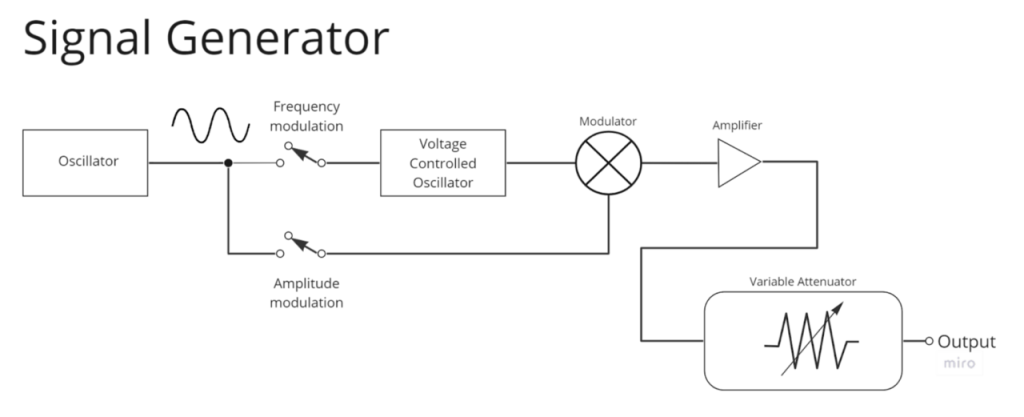
Are you confident your generator is running at its best? Knowing how to analyze generator performance with sensors can save you time, money, and unexpected breakdowns.
Imagine catching small issues before they turn into big problems. You’ll discover simple, practical ways to use sensors that give you clear insights into your generator’s health. Keep reading, and you’ll learn how to keep your power source reliable and efficient, every time you need it.
Key Metrics For Generator Performance
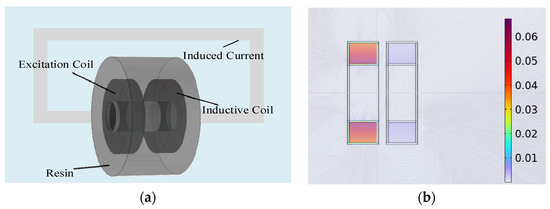
Power output measurementtells how much electricity the generator makes. Sensors track the voltage and current to find the exact power. This helps check if the generator works well or not.
Fuel consumption trackingshows how much fuel the generator uses. Sensors monitor fuel flow to spot waste or leaks. Lower fuel use means better efficiency and less cost.
Temperature monitoringkeeps the generator safe. Sensors watch engine heat to avoid damage. High temperature can cause breakdowns or less power output.
Vibration analysisfinds problems inside the generator. Sensors detect unusual shakes or movements. This helps to fix parts before they break and stop the generator.
Credit: www.mdpi.com
Types Of Sensors Used In Generators
Pressure sensorsmeasure the force of gases or liquids inside the generator. They help prevent damage by detecting high or low pressure early.
Temperature sensorstrack heat levels in engine parts. Keeping temperature in check stops overheating and keeps the generator running smoothly.
Current and voltage sensorsmonitor the electric output. They ensure power stays within safe limits and the generator works efficiently.
Vibration sensorsdetect unusual shaking or movements. These sensors warn about mechanical problems before they cause serious damage.
Sensor Placement Strategies
Engine monitoring pointsinclude sensors on the oil pressure, coolant temperature, and vibration levels. These sensors help detect engine problems early. They ensure the engine runs smoothly and safely.
Fuel system locationsfor sensors cover fuel pumps, filters, and injectors. These spots monitor fuel flow and pressure. They help maintain fuel efficiency and prevent leaks.
Exhaust system sensorstrack emissions and temperature. They check if the generator meets environmental rules. Sensors here also protect the exhaust parts from damage.
Control panel integrationmeans placing sensors where they connect to the panel. This allows easy data reading and quick response to faults. It also helps in remote monitoring and control.
Data Collection And Transmission
Wired systemsuse cables to connect sensors to data collectors. They offer stable and fast data transfer, but can be hard to install in some places. Wireless systemssend data through radio waves. They are easier to set up and allow more sensor freedom. Yet, they may face signal lossor interference.
Real-time data monitoringhelps track generator health instantly. It shows voltage, temperature, and vibrationas they happen. This helps spot problems fast and avoid damage.
Data logging techniquesstore sensor data for later checks. Logs can be saved on local devices or cloud servers. This helps analyze trends and plan maintenance.
Analyzing Sensor Data
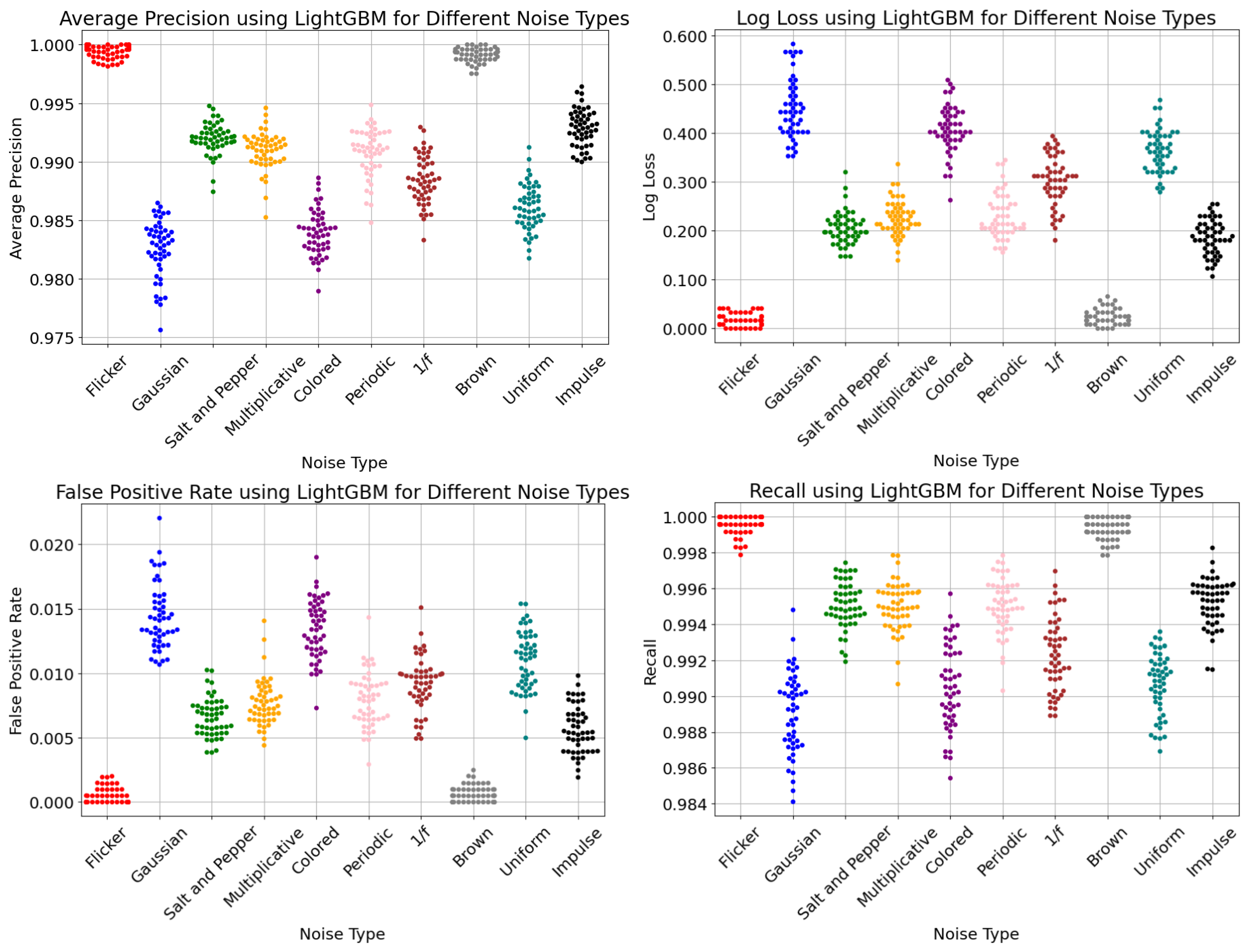
Analyzing sensor datahelps to find patterns in generator performance. Data from sensors shows how the generator works over time. This helps to spot performance trendslike changes in fuel use or power output. Watching these trends can save money and avoid problems.
Detecting faults earlyis key to stopping big failures. Sensors can catch small issues like high temperature or vibration. Fixing these early keeps the generator safe and working well.
Predictive maintenance modelsuse sensor data to guess when repairs are needed. This stops unexpected breakdowns and lowers repair costs. It helps plan maintenance at the best time, not too soon or too late.
Credit: www.mdpi.com
Improving Generator Efficiency
Optimizing fuel usagehelps save money and reduce waste. Sensors track fuel flow and engine temperature. This data shows if the generator uses fuel efficiently. Adjustments can be made to lower fuel consumption without losing power.
Reducing downtimeis key for steady power supply. Sensors detect issues early, like overheating or low oil pressure. This allows quick fixes before major breakdowns occur. Less downtime means more reliable performance.
Enhancing load managementbalances power demand and supply. Sensors measure electrical load in real time. This helps avoid overload and underload situations. Proper load management extends generator life and improves efficiency.
Common Challenges And Solutions
Sensor calibration issuesoften cause inaccurate data. Sensors must be calibrated regularly for correct readings. Incorrect calibration leads to wrong generator performance results. Use standard calibration tools and follow manufacturer instructions carefully.
Data accuracy and noiseaffect sensor reliability. Electrical noise can distort signals and cause errors. Shield cables and use filters to reduce noise. Verify sensor data against known benchmarks to ensure accuracy.
Integration with existing systemsmay be complex. Different devices use varied communication protocols. Choose sensors compatible with your current system. Use middleware or converters when needed to connect all parts smoothly.

Credit: www.mdpi.com
Future Trends In Generator Monitoring
IoT devicesconnect generators to the internet, sending real-time data to the cloud. This data helps track fuel use, temperature,and power output. Cloud platforms analyze this data to spot problems earlyand suggest fixes.
AI systemsstudy sensor data to find patterns. They predict when parts might failand how to improve efficiency. This leads to better maintenance plansand fewer breakdowns.
New sensor technologiesare more accurate and smaller. They measure things like vibration, noise,and gas emissions. This gives a clearer picture of generator healthand helps save energy.
Frequently Asked Questions
What Types Of Sensors Monitor Generator Performance?
Common sensors include temperature, vibration, pressure, and voltage sensors. They track key parameters to ensure optimal generator function and early fault detection.
How Do Sensors Improve Generator Efficiency?
Sensors provide real-time data, enabling timely maintenance and adjustments. This reduces downtime and fuel consumption, boosting overall generator efficiency.
Can Sensors Predict Generator Failures?
Yes, sensors detect abnormal readings signaling potential issues. Early warnings help prevent major failures and costly repairs through proactive maintenance.
What Parameters Are Critical For Generator Analysis?
Temperature, vibration, oil pressure, and electrical output are vital. Monitoring these ensures the generator runs safely and efficiently, avoiding unexpected breakdowns.
Conclusion
Analyzing generator performance with sensors boosts efficiency and reliability. Sensors provide vital data on generator operations. Regular checks ensure smooth functioning and prevent costly downtime. They help detect issues early, saving money and resources. Implementing sensor technology can enhance generator performance over time.
It’s a smart move for any business relying on generators. Understanding sensor data doesn’t require expert knowledge. Even basic insights can offer substantial benefits. So, consider integrating sensors into your generator maintenance routine. It’s a practical step towards improved performance and longevity.