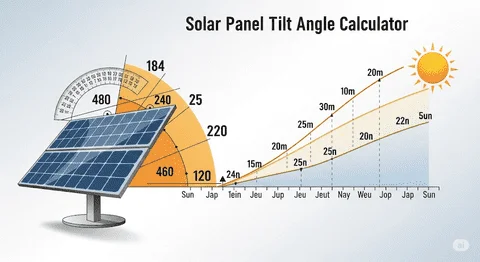
Are you ready to unlock the full potential of your solar panels? Getting the angle just right can make a world of difference in how much energy your system captures.
Imagine maximizing your savings and making your home greener, all by adjusting the angle of your panels. Sounds exciting, right? You’ll discover simple yet effective tips to angle your solar panels for the best performance. This guide will empower you to take control of your energy production and help you make the most out of your investment.
Don’t miss out on this chance to boost your solar efficiency—keep reading to learn how!
Importance Of Solar Panel Angling
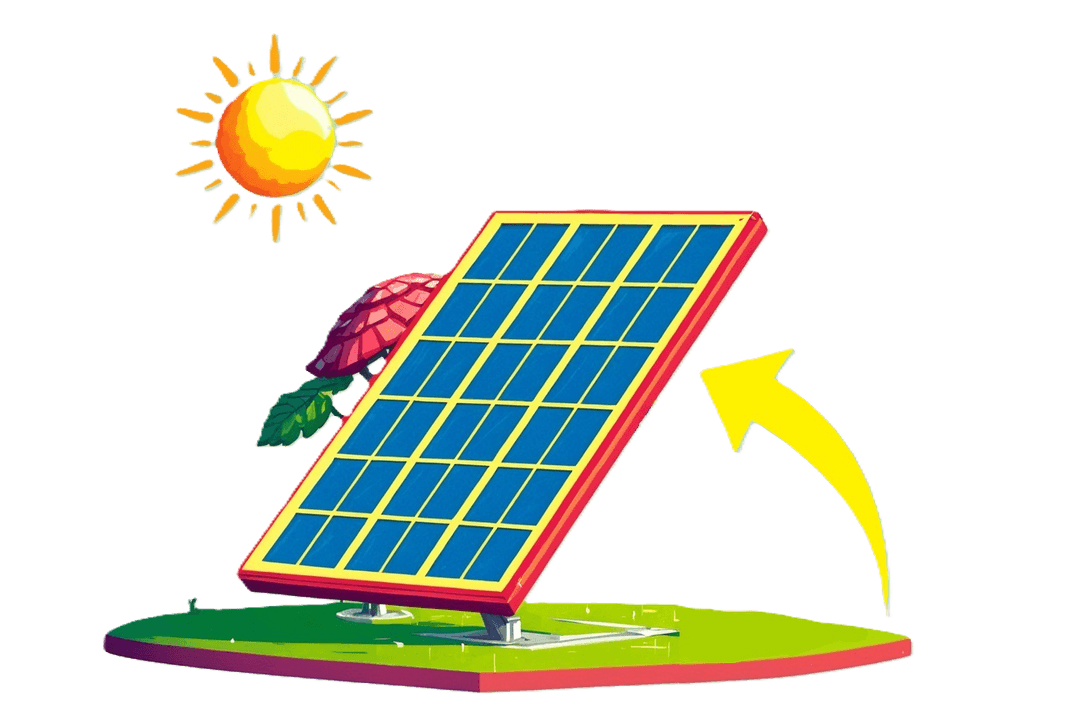
Solar panel anglingis crucial for capturing sunlight. Panels need the right tilt. This ensures they collect maximum energy. The angle depends on your location. It changes with seasons. In summer, panels should be flatter. In winter, they should tilt more.
Correct angling boosts power generation. It helps in saving electricity costs. Wrong angles mean less energy. This leads to higher bills. Adjusting panels regularly is smart. It keeps energy flow steady. Angling impacts panel lifespan too. Proper angles reduce wear and tear.
Understand your region’s sun path. Use it to set the right angle. This helps in achieving optimal efficiency. Solar panels work best when angled right. Don’t ignore this important step.
Credit: goingsolar.ie
Factors Influencing Solar Panel Angling
Geographical locationaffects how solar panels get sunlight. In the north, panels should tilt toward the sun. In the south, they should face north. This way, they can catch the most sunlight. The angle also changes based on the latitude. Places near the equator have panels lie flat. Farther from the equator, panels tilt more.
Seasons change how the sun hits the panels. In summer, the sun is higher in the sky. Panels should be more flat. In winter, the sun is lower. Panels need a steeper angle. Adjusting the angle helps panels collect more energy.
The direction a roof faces is important. A south-facing roof is best for panels. East or west can work too, but are less effective. The roof slope also matters. A steep roof might need extra mounts for the panels. This helps them stay at the right angle.
Calculating The Optimal Angle
Solar panels work best when angled right. The angle depends on your latitude. Find your latitude on a map or online. If your latitude is 30 degrees, your solar panels should be tilted 30 degrees. This helps the panels get most sunlight. Use a simple tool like a protractor to measure. It’s easy and quick. Adjusting the angle ensures your panels are efficient.
The sun changes position in different seasons. Panels should be adjusted to match. In summer, the sun is high. Lower the panel angle by 15 degrees. In winter, the sun is low. Raise the panel angle by 15 degrees. Doing this helps capture more sunlight. Remember to check and adjust your panels twice a year. This simple step makes a big difference.
Tools And Equipment For Adjusting Angle
Adjusting solar panel angles enhances energy collection. Use a solar inclinometer for precise angle measurement. A wrench or spanner helps with adjustments, ensuring optimal sun exposure.
Tilt Mounts
Tilt mounts help adjust solar panel angles. They keep panels at the right angle. This helps panels catch more sunlight. Tilt mounts are easy to use. They are strong and hold panels tightly. They can be set up on roofs or the ground. They adjust for different seasons. Panels need more angle in winter.
Solar Trackers
Solar trackers move panels with the sun. They follow the sun all day. This makes panels catch more sunlight. Trackers can be single-axis or dual-axis. Single-axis trackers move side to side. Dual-axis trackers move up and down too. Trackers help panels make more energy. They cost more than tilt mounts.
Diy Vs. Professional Installation
DIY solar panel installation can save money. No labor costs mean lower expenses. But, installing panels needs specific skills. Mistakes can lead to poor performance. Panels might not work well. Safety risks are also present. High roofs are dangerous. Time-consuming for beginners. Learning takes time. Warranty issues may arise. Incorrect installation can void warranties.
Professionals ensure correct installation. Panels will work efficiently. Safety is guaranteed. Experts know how to avoid accidents. Hiring pros saves valuable time. Installations are quicker. Warranties stay valid. Proper setups protect warranties. Professionals offer long-term support. They help with maintenance. This ensures panels last longer. Expert advice is available. They guide on best panel angles.
Monitoring And Maintenance
Optimal solar panel performance relies on proper angling. Regular monitoring ensures panels are correctly aligned with the sun. Maintenance prevents dirt and debris buildup, maximizing energy capture.
Regular Angle Adjustments
Solar panels need the right angle for best performance. The sun moves in the sky. Adjust the panels to keep up with the sun. Change angles in summer and winter. This helps panels get more sunlight. More sunlight means more energy.
Cleaning And Inspection
Dirt and leaves can cover solar panels. Clean panels often to keep them clear. Use water and a soft cloth. Check for cracks or damage. Fix problems quickly to keep panels working well. Clean panels make more energy.
Advanced Strategies For Efficiency
Angling solar panels correctly boosts their efficiency. Adjusting them to face the sun directly captures more sunlight. Seasonal changes also matter; tweak angles for summer and winter for best results.
Smart Solar Systems
Smart solar systems adjust panels for better sunlight capture. These systems use sensors to detect sun angles. Panels move automatically for optimal performance. This increases energy collection throughout the day. Efficiency improves without manual adjustments. Smart systems save time and effort. They are ideal for homes and businesses.
Integrated Monitoring Solutions
Integrated monitoring solutions track solar panel performance. These systems provide real-time data. Users can see energy production levels. Alerts notify when panels need maintenance. Monitoring ensures panels work efficiently. It helps identify issues quickly. Users can optimize their energy usage. Monitoring solutions improve system reliability.

Credit: truegear.com.au
Credit: sizesolar.com
Frequently Asked Questions
What Is The Most Efficient Angle For Solar Panels?
The most efficient angle for solar panels depends on your latitude. Generally, set the angle equal to your latitude. This positioning maximizes sun exposure throughout the year, enhancing energy efficiency. Adjusting the angle seasonally can further optimize performance, with steeper angles in winter and flatter in summer.
What Is The 20% Rule For Solar Panels?
The 20% rule suggests installing solar panels with a capacity 20% higher than needed. This accounts for efficiency losses and weather variations, ensuring optimal energy production.
How To Get A Perfect Angle For You Solar Panel?
Tilt the solar panel at an angle equal to your latitude. Adjust seasonally for optimal sunlight. Use a solar tracker for precise alignment. Ensure panels face true south in the Northern Hemisphere, north in the Southern Hemisphere. Regularly check and clean panels for maximum efficiency.
What Is The Rule Of Thumb For Solar Panel Tilt?
Tilt solar panels at an angle equal to your latitude for optimal efficiency. Adjust seasonally: steeper in winter, flatter in summer. This maximizes sunlight exposure and improves energy production.
Conclusion
Aligning solar panels correctly boosts energy efficiency. Proper angle ensures maximum sunlight capture. Adjust angles seasonally for optimal results. Consider your geographic location and roof orientation. A professional can help with precise adjustments. Regular cleaning maintains efficiency. Dust and debris reduce sunlight exposure.
Investing time in angle adjustments pays off. You save money and energy. A well-angled solar panel system is key to performance. So, keep your panels aligned for the best output. It’s a small effort with big benefits. Embrace solar energy effectively with these simple steps.
Enjoy cleaner energy and lower bills.