
Imagine hiking through a serene landscape, surrounded by nature’s beauty, and knowing that your devices are powered up and ready to capture every breathtaking moment. Attaching a solar charger to your backpack is not just a clever idea; it’s a game-changer for outdoor enthusiasts like you.
With a solar charger, you can harness the sun’s energy, ensuring your gadgets stay charged without the hassle of finding an outlet. This means more freedom and less worry about your devices running out of juice. But how do you attach a solar charger to your backpack effectively?
By the end of this guide, you’ll not only know the step-by-step process but also discover the tips to maximize the charger’s efficiency and durability. Whether you’re preparing for a long hike or just want to be ready for any adventure, this article has got you covered. Ready to unlock the power of the sun and make your outdoor experiences even more enjoyable? Let’s dive in!

Credit: unsungherosurf.co.uk
Choosing The Right Solar Charger
Solar chargers come in different types. Foldable chargers are easy to pack. Rigid ones are strong and last long. Flexible chargers bend and twist. Choose the type that suits your needs.
Look at the power output of the charger. It tells how much energy it can make. More power means your devices charge faster. Small chargers give less power. Big chargers give more power. Pick one that matches your device’s needs.
Size and weight matter when packing. A lightweight charger is easy to carry. A big one may be heavy. Check your backpack space. Ensure the charger fits well. Choose a size that’s handy for your journey.

Credit: www.amazon.com.au
Preparing Your Backpack
Check your backpack’s design carefully. Look for strong straps and sturdy fabric. These are key for attaching a solar charger. Some backpacks have special loops or hooks. These are perfect for solar chargers. Make sure your backpack is in good shape.
Find where the solar charger can fit. Look for D-rings, loops, or carabiner clips. These spots are usually strong enough. Use these points to secure your charger. Double-check that they won’t tear easily. This keeps your charger safe while you walk.
Ensure your solar charger fits your backpack. Some chargers are big, others are small. Match the charger’s size to your backpack. Make sure the charger can be securely attached. A good fit is important for stability. Check that the charger won’t slip off.
Attaching The Solar Charger
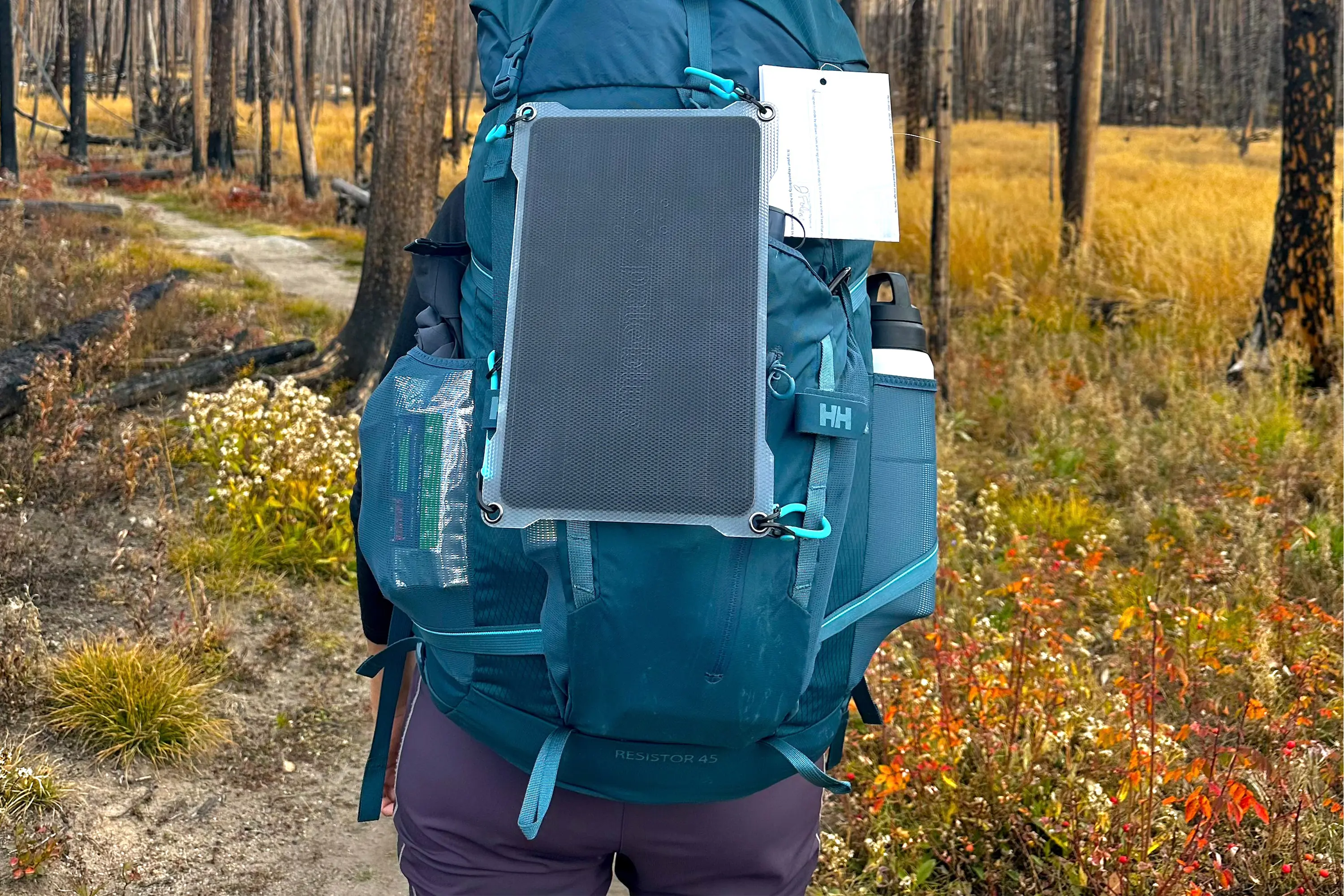
Fasten the solar charger securely to your backpack using adjustable straps or clips. Ensure the solar panel faces upward for optimal sunlight exposure. Check its stability before moving to prevent damage during travel.
Using Straps And Clips
Straps help secure the solar charger to the backpack. Ensure straps are tight. Clips make attaching easy. Choose clips that fit well with the backpack loops. Test the solar charger position. This helps catch sunlight.
Securing With Buckles
Buckles add extra security. Fasten buckles firmly. Check they hold the charger in place. Avoid loose buckles. They might let the charger slip. Ensure buckles are sturdy. They should handle outdoor use.
Adjusting For Stability
Adjust the solar charger position. Find a stable spot on the backpack. Balance helps prevent falling. Tilt the charger towards the sun. This improves charging. Adjust straps if needed. Check stability before walking.
Credit: gearjunkie.com
Optimizing Solar Charger Use
Place the solar charger on top of the backpack. This position gets the most sunlight. Ensure there are no shadows blocking the charger. The sun moves during the day. Adjust the charger’s position often. This helps maintain good sunlight exposure. Direct sunlight charges faster. Always check for sunlight.
Keep cables neatly tied. This avoids tangling and damage. Use short cables for better management. Long cables can snag. Secure connections well. Loose connections waste energy. Check connections regularly. Make sure everything is tight and secure. This ensures efficient charging.
Look for charging indicators on the charger. Some have lights or screens. Check these often to know the charge level. Use a power bank to store extra energy. It helps when the sun is not shining. Always keep an eye on the battery level. This helps avoid running out of power.
Maintenance And Care
Attaching a solar charger to a backpack requires secure straps for stability. Clip the charger to avoid movement while hiking. Ensure the panel faces the sun for optimal charging.
Cleaning And Storage Tips
Keep the solar charger clean for best performance. Use a soft, damp cloth to wipe it. Avoid harsh chemicals that can damage the surface. Store it in a cool, dry place when not in use. This prevents moisture and dust from affecting its parts. Proper care can extend its life.
Regular Performance Checks
Check your solar charger regularly. Ensure it charges devices correctly. Look for any physical damage. Make sure connections are secure. Test its efficiency in different lighting conditions. This helps in identifying any issues early.
Troubleshooting Common Issues
- No Charging:Ensure the panel is in direct sunlight.
- Slow Charging:Clean the panel surface.
- Device Not Connecting:Check the cable and ports.
- Overheating:Place it in a ventilated area.
Safety Tips
Securely attach the solar charger to your backpack using durable carabiners. Ensure the solar panel faces the sun for optimal charging. Regularly check that the charger is firmly attached to avoid damage during hikes.
Avoiding Damage To Solar Panels
Always keep the solar panels clean and free from dirt. Use a soft cloth to wipe them gently. Avoid placing heavy items on the panels. Store them in a safe place when not in use. Be careful when packing the backpack. Ensure the panels aren’t bent or cracked.
Protecting Electrical Components
Check the wires and connectors for any damage. Use protective covers for connectors when not in use. Keep the charger dry to prevent short circuits. Use waterproof bags if traveling in rain. Disconnect the charger if there are any unusual noises or smells.
Traveling Safely With Solar Equipment
- Secure the solar charger to the backpack tightly.
- Ensure the charger does not swing while walking.
- Balance the backpack weight for comfort.
- Avoid rough terrains to keep equipment safe.
- Plan your route to avoid crowded areas.
Frequently Asked Questions
Are Solar Chargers Worth It For Backpacking?
Solar chargers are often worth it for backpacking. They provide renewable energy for electronic devices. Lightweight and portable, they are ideal for long trips. Ensure your destination has ample sunlight. Check the charger’s compatibility with your devices. They can be a reliable power source off-grid.
How To Use Charging Cable In Backpack?
Store the power bank in a dedicated pocket. Connect the charging cable to the power bank. Feed the cable through the backpack’s built-in port. Keep your device in an easily accessible pocket. Ensure the cable doesn’t tangle or stretch.
How To Attach A Shock Cord To A Backpack?
To attach a shock cord to a backpack, loop the cord through designated loops or daisy chains. Adjust tension by pulling ends tight and securing with cord locks or knots. Ensure it’s firmly attached to carry gear securely.
How Does A Solar Powered Backpack Work?
A solar-powered backpack uses built-in solar panels to convert sunlight into electricity. This energy charges devices via USB ports. It’s eco-friendly and convenient for charging phones, tablets, or cameras on the go. Ideal for outdoor enthusiasts and travelers needing power without access to traditional outlets.
Conclusion
Attaching a solar charger to a backpack is easy. It’s a practical choice for outdoor adventures. Secure the charger properly. Use straps or clips to keep it stable. Ensure the solar panel faces sunlight. This way, the charger works efficiently.
Check compatibility with your devices. Different chargers have different outputs. Always carry necessary cables. A well-attached solar charger provides power on the go. No more battery worries. Enjoy your hiking or camping trip. Remember to keep it clean. Dust can affect charging efficiency.
Prepare well for your next adventure. Stay powered anywhere, anytime.