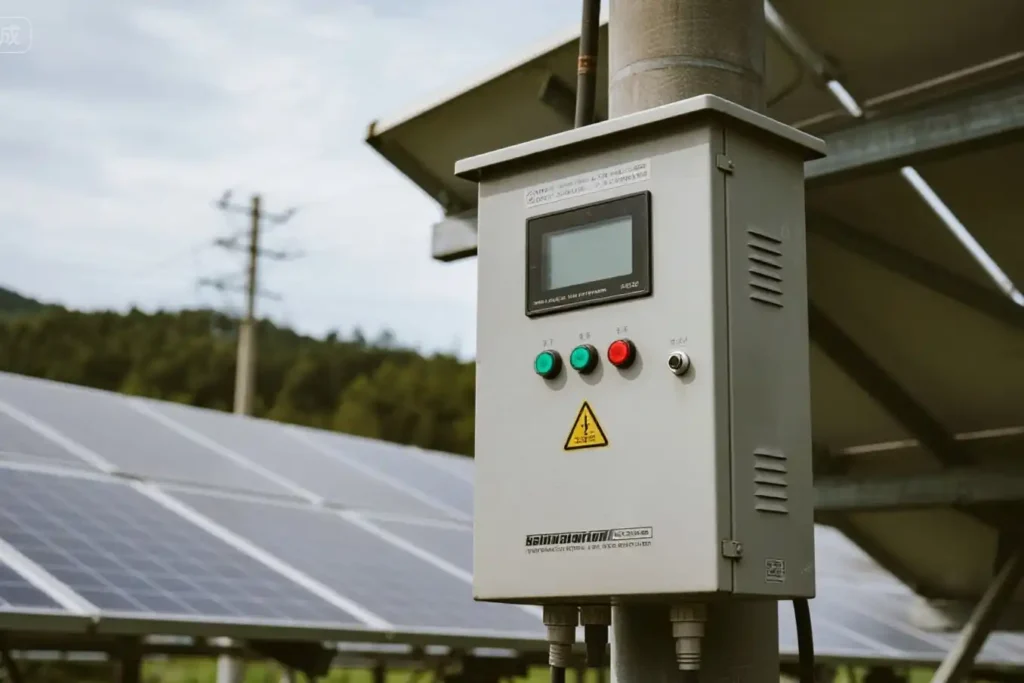
Imagine a world where you can harness the power of the sun and automatically transmit it to power your home, devices, or even a remote campsite. Sounds incredible, right?
With a solar generator, this is not just a futuristic dream—it’s a practical reality. You might be wondering how you can effortlessly tap into this renewable energy source and make it work for you without constant manual intervention. This article breaks down the steps to set up an automatic power transmission system with a solar generator, making it easier than ever for you to enjoy reliable and sustainable energy.
Get ready to discover how this simple yet powerful technology can change how you think about energy consumption and efficiency. You’ll soon see how it’s not only an environmentally friendly choice but also a smart way to ensure you have energy whenever you need it. Keep reading to find out how you can transform your energy usage and gain greater independence from traditional power sources.
Solar Generator Basics
Solar generators automatically transmit power by converting sunlight into electricity. They use solar panels to capture energy. This energy is stored in batteries and then distributed as needed.
Components Of A Solar Generator
A solar generator has four main parts. First, the solar panelscapture sunlight. Then, the charge controllermanages the power flow. Next, the batterystores the energy. Finally, the inverterchanges the power to usable electricity. These parts work together to create clean energy.
How Solar Generators Work
Solar panels collect sunlight and convert it to electricity. The charge controller keeps the battery safe from overcharging. Stored energy in the battery powers devices when needed. The inverter changes the stored energy to a usable form. This lets you use solar power anytime.
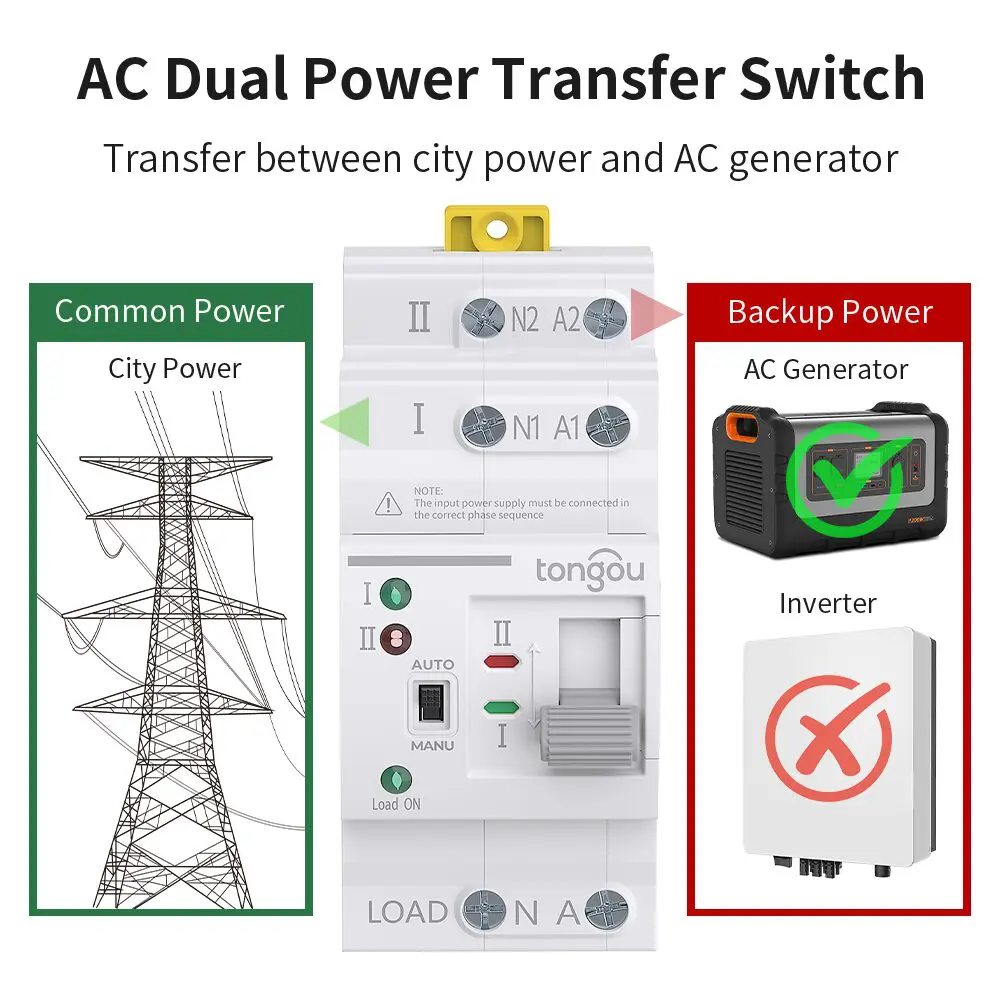
Credit: www.tongou.com
Setting Up Your Solar Generator
Automatically transmit power from your solar generator by connecting it to your home’s main power system. Use an inverter to convert solar energy into usable electricity. Ensure proper wiring and setup for seamless power flow.
Choosing The Right Location
Select a spot with maximum sunlight. Avoid shaded areas like under trees. The panels work best in direct sun. Roofs or open fields are ideal. Ensure the surface is stable and flat. This helps in capturing more sunlight. Check for obstacles that block sunlight. Adjust the panels as needed. Safety is important, so avoid risky places.
Installing Solar Panels
Fix the panels securely on the chosen spot. Use strong brackets or stands. Ensure they face the sun directly. Tilt the panels to catch more light. Clean the panels regularly for best results. Connect the panels to the generator safely. Follow the instructions in the manual. Check all connections are tight and secure. Use the right cables and tools. Avoid loose or damaged wires. Safety first, always.
Power Transmission Options
Automatically transmitting power with a solar generator involves simple setups. Connect the solar panels to a charge controller. Then, link the controller to a battery and inverter. This setup ensures continuous power supply without manual intervention, utilizing solar energy efficiently.
Using Inverters
Solar generators produce direct current (DC)power. Most home devices use alternating current (AC)power. An inverterchanges DC to AC. This helps power devices at home. Connect the inverter to the solar generator. It sends power to your home appliances. Make sure the inverter matches the generator’s power capacity. A small inverter won’t work with a big generator. Choose the right size for safety.
Direct Current Transmission
Some devices can use DC power directly. No need for an inverter. Solar lights and small fans use DC. Connect them straight to the generator. This saves energy and time. Check your device before connecting. Ensure it supports DC power. Using DC is simple and efficient. It avoids extra conversions.

Credit: www.tiktok.com
Automating Power Transmission
Smart controllers help manage the flow of energy. They balance power from solar panels and batteries. This ensures your devices get enough energy all day. Smart controllers prevent energy waste. They adjust settings based on sunlight. This keeps everything efficient.
Remote monitoring systems allow you to check your solar generator from anywhere. You can see how much power is being generated. You can also track battery levels. This helps in planning energy usage. It alerts you about any issues instantly. These systems make managing solar power easy.
Maintenance Tips
Efficiently harness solar energy by regularly cleaning solar panels for optimal sunlight absorption. Ensure battery connections are secure to maintain smooth power transmission. Use a charge controller to prevent battery overcharging and extend battery life.
Regular Equipment Checks
Check all parts of your solar generator often. Look for loose wires or connections. Tighten them if needed. Examine the battery for any leaks. Replace it if you see damage. Check the inverter for proper function. Listen for unusual noises. They can be signs of issues.
Cleaning Solar Panels
Keep solar panels clean for best performance. Dust and dirt can block sunlight. Use soft cloths to wipe panels gently. Avoid harsh chemicals. Water is usually enough. Clean panels in the early morning or late afternoon. Sunlight is less intense then. Be careful if you climb on the roof. Safety is important.
Maximizing Efficiency
Solar panelsneed direct sunlight. Place them in open spaces. Avoid shadows from trees and buildings. Panels should face the sun directly. Adjust the angle for best sun exposure. Check the angle during different seasons. This improves energy collection.
Optimizing Panel Placement
Use a compass for panel direction. South-facing panels get the most light. Tilt panels at a 30-degree angle. This works well in many areas. Adjust angle for your location. Keep panels clean for better efficiency. Dust and dirt block sunlight.
Energy Storage Solutions
Batteries store solar energy. Choose high-capacity batteries. They hold more power. Lithium batteries are a good choice. They last longer than other types. Charge batteries fully during the day. Use stored energy at night. This makes power available all the time.
Troubleshooting Common Issues
Solar generators efficiently transmit power with simple settings. Ensure connections are secure and check for software updates. Regular maintenance avoids common issues and ensures seamless power transmission.
Identifying System Failures
Solar generators sometimes stop working. Check the battery first. Is it full? If yes, check cables next. Are they connected well? Loose cables cause issues. Look at the solar panel. Is it clean? Dust stops power flow. Check the inverter too. It must be on. If off, turn it on. Listen for sounds. Strange sounds mean problems. Be sure all parts are working. Regular checks help find issues early.
Resolving Connectivity Problems
Connectivity issues are common. Check if the cables are tight. Loose cables cause problems. See if the connectors are clean. Dirt can block signals. Look at the signal lights. Green means good, red means bad. Reset the system if needed. Sometimes resetting solves problems. Check the settings on your device. Ensure they match the solar generator. Troubleshooting can be easy with these steps.

Credit: www.onesto-ep.com
Frequently Asked Questions
Can You Run A Solar Generator Continuously?
A solar generator can run continuously if solar panels provide adequate sunlight. Battery storage helps during cloudy days or at night. Efficient management of power usage ensures continuous operation without interruptions. Regular maintenance of the system enhances reliability and longevity.
Is There A Way I Can Use Solar Power And Grid Power Simultaneously?
Yes, hybrid systems allow simultaneous use of solar and grid power. They switch seamlessly for optimal efficiency.
How Does Solar Backfeeding Work?
Solar backfeeding occurs when excess solar energy is sent back to the grid. Solar panels convert sunlight into electricity. This surplus power flows through the inverter to the grid. Homeowners receive credits for this energy, reducing their electricity bills. It’s a key feature of grid-tied solar systems.
Can I Run A Refrigerator On Solar Power And Generator?
Yes, you can run a refrigerator on solar power and a generator. Use solar panels to charge batteries, which power the fridge. A generator can serve as a backup. Ensure the solar system is adequately sized to handle the refrigerator’s energy needs.
Conclusion
Harnessing solar energy for automatic power transmission is practical. Solar generators offer a reliable solution for sustainable energy needs. With simple setups, anyone can benefit from clean energy. Solar power reduces dependency on traditional electricity sources. It is cost-effective in the long run.
Installing a solar generator requires basic knowledge and tools. Once set up, enjoy continuous power supply. Embrace this eco-friendly energy solution today. Start small, grow gradually. Consider solar power for future-proof energy solutions. Explore options available for your needs. Solar energy is a step toward a greener future.
Make a positive impact today.