Are you worried about your marine diesel generator overheating? You’re not alone.
Overheating is a common concern for boat owners, and it can lead to serious problems if not addressed promptly. But what if you could prevent these issues before they even start? Imagine sailing smoothly with the confidence that your generator is running perfectly, without the risk of unexpected breakdowns.
You’ll discover simple yet effective strategies to keep your marine diesel generator cool and functioning optimally. By understanding the key factors that lead to overheating, you can take proactive steps to ensure the longevity and efficiency of your equipment. Say goodbye to the stress of unexpected generator failures and hello to peace of mind on the open seas. Stick around to learn how you can protect your investment and enjoy worry-free voyages.
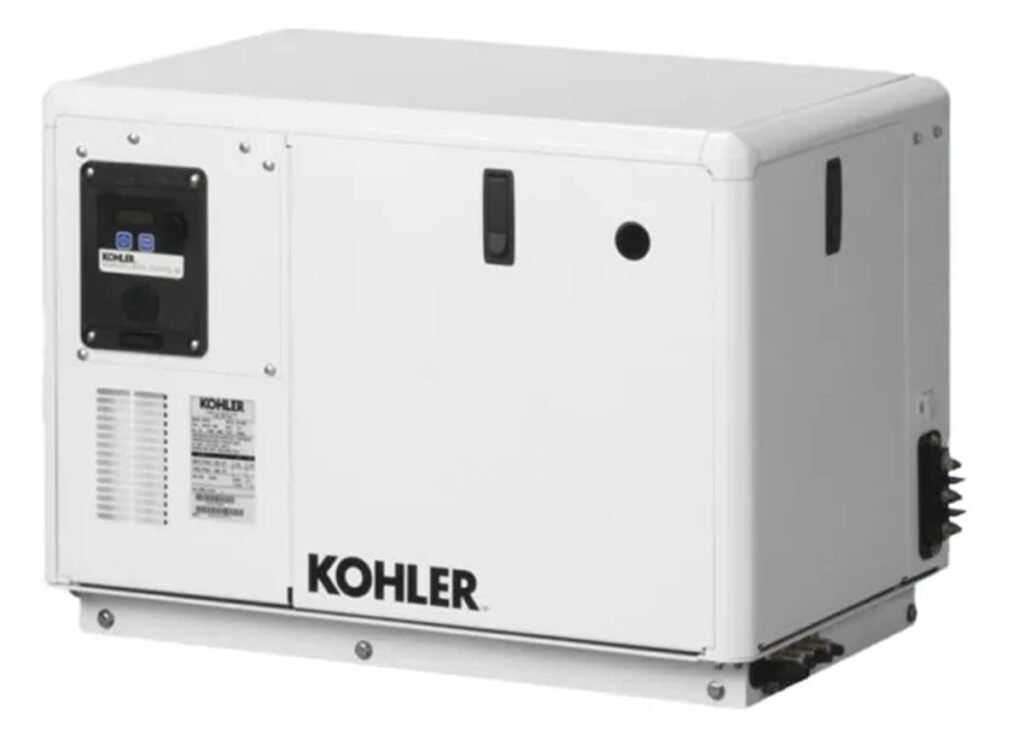
Credit: bestgenerators.org
Causes Of Overheating
Overheating in marine diesel generators often occurs due to poor coolant flow or blocked filters. Dirty or low coolant levels and faulty thermostats also cause temperature rises. Regular checks prevent these common issues and keep the generator running smoothly.
Fuel System Issues
Dirty fuel filtersblock fuel flow. This makes the engine work harder. Low fuel pressurecauses poor combustion. It raises the engine temperature. Fuel leakscan cause dangerous heat spots. Regular checks help avoid these problems.
Cooling System Failures
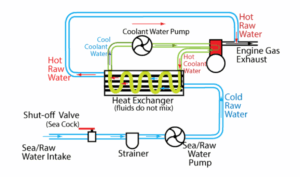
Clogged cooling passagesstop water flow. This makes the engine hot. Faulty water pumpsreduce cooling efficiency. Low coolant levelsleave parts uncooled. Cooling fans not working add to the heat.
Electrical Problems
Bad wiringcan cause short circuits. This creates heat inside the generator. Faulty sensorsfail to warn about high temperatures. Malfunctioning control panelsmay not start cooling fans.
Environmental Factors
High ambient temperaturemakes cooling harder. Poor ventilationtraps heat around the generator. Saltwater corrosiondamages parts, reducing cooling efficiency. Clean and ventilate the area well.
Regular Maintenance Practices
Maintaining your marine diesel generator is key to preventing overheating. Check coolant levelsoften to ensure the system stays cool. Low coolant can cause engine damage.
Inspect hoses and belts regularly. Look for cracks, leaks, or wear. Replace any parts that seem weak or damaged to keep coolant flowing well.
Keep air filters clean. Dirty filters reduce airflow and cause the engine to run hotter. Clean or replace filters as needed to improve air intake.
Fuel filters also need regular change. Clean fuel filters help the engine run smoothly and avoid overheating caused by fuel flow problems.
Monitoring Operating Conditions
Monitoring the temperature gaugehelps spot overheating early. It shows the engine’s current heat level. Check it often to catch any rise in temperature. This helps avoid damage and keeps the generator running well.
Managing the loadis key to prevent extra heat. Too much load makes the engine work harder and get hotter. Keep the load within safe limits. Spread out power use to stop spikes that cause heat.
Vibration monitoringdetects unusual shaking or noise. This can signal problems that cause overheating. Use sensors to track vibrations. Fix issues quickly to keep the engine cool and safe.
Cooling System Enhancements
Upgrading heat exchangers helps to cool the diesel generator better. These parts transfer heat away quickly. Using high-quality coolantsprotects the engine from heat and rust. Good coolants last longer and keep the system clean.
Installing additional fans improves air flow around the generator. More air movement removes heat faster. This simple step can lower the engine temperature a lot. Fans should be placed where air moves freely.
| Enhancement | Benefit |
|---|---|
| Upgrading Heat Exchangers | Faster heat transfer and better cooling |
| Using High-Quality Coolants | Protects engine, prevents rust, and lasts longer |
| Installing Additional Fans | Improves air flow and lowers temperature |
Emergency Measures
Shutting down the generator safelymeans turning off the fuel supply first. This stops the engine from running and prevents further heat buildup. Avoid switching off the generator abruptly to protect internal parts. Allow the engine to cool down slowly to stop damage.
Emergency cooling techniquesinclude spraying water on the radiator or heat exchanger carefully. Use cool, not cold water to avoid cracking parts. Fans or blowers can help cool the engine quickly. Do not open the cooling system while hot to avoid burns or pressure release.
Preventing damage post-overheatrequires inspection of the engine and cooling system. Check for leaks, cracks, or worn hoses. Replace damaged parts before restarting. Clean the cooling system and ensure coolant levels are correct. Regular checks help avoid future overheating problems.
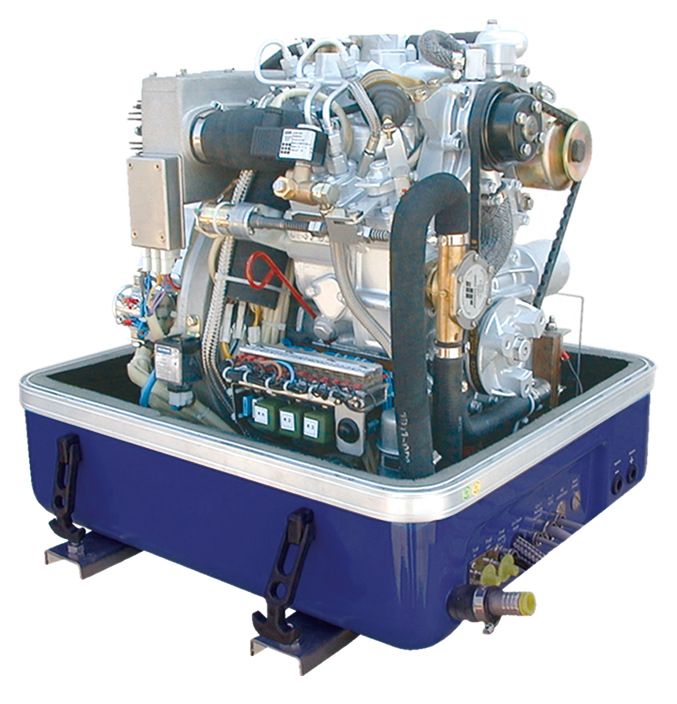
Credit: www.morganscloud.com
Best Practices For Operation
Overloading a marine diesel generator causes it to heat up quickly. Keep the load within the generator’s rated capacity. Use a load meter to check power use. Avoid running too many devices at once. This helps prevent the engine from working too hard and overheating.
Good ventilation is key to cooling the generator. Make sure fresh air flows freely around the engine. Clear any blockages in vents or fans. Proper airflow carries heat away and keeps parts cool. Check ventilation paths often to keep them clean and open.
Routine inspections catch problems early. Check coolant levels and oil regularly. Look for leaks or damaged hoses. Inspect belts and fans for wear or cracks. Replace worn parts before they cause overheating. Keep a log of all maintenance checks for reference.

Credit: www.morganscloud.com
Frequently Asked Questions
What Causes Marine Diesel Generators To Overheat?
Overheating often results from coolant leaks, clogged filters, or low coolant levels. Poor ventilation and excessive load also contribute. Regular checks prevent these issues and maintain generator efficiency.
How Can I Prevent Overheating In My Marine Diesel Generator?
Maintain proper coolant levels, clean filters regularly, and ensure good airflow. Avoid overloading the generator and schedule routine inspections. These steps help keep the generator running cool and efficiently.
Why Is Regular Coolant Maintenance Important For Marine Generators?
Coolant regulates engine temperature and prevents overheating. Dirty or low coolant reduces heat dissipation, causing damage. Regular maintenance ensures optimal cooling and prolongs generator life.
Can Poor Ventilation Lead To Generator Overheating?
Yes, inadequate ventilation traps heat around the generator. Proper airflow removes excess heat, preventing overheating. Ensure vents are clear and fans are functioning well for optimal cooling.
Conclusion
Preventing overheating keeps your marine diesel generator running smoothly. Regular checks of coolant levels and clean filters help a lot. Watch engine temperature closely during operation. Proper ventilation avoids heat buildup inside the engine room. Timely maintenance reduces the risk of costly breakdowns.
Stay alert to unusual sounds or smells. Small steps make a big difference in engine health. Keep your generator cool and reliable for safe voyages. Simple care protects your investment and ensures peace on the water.